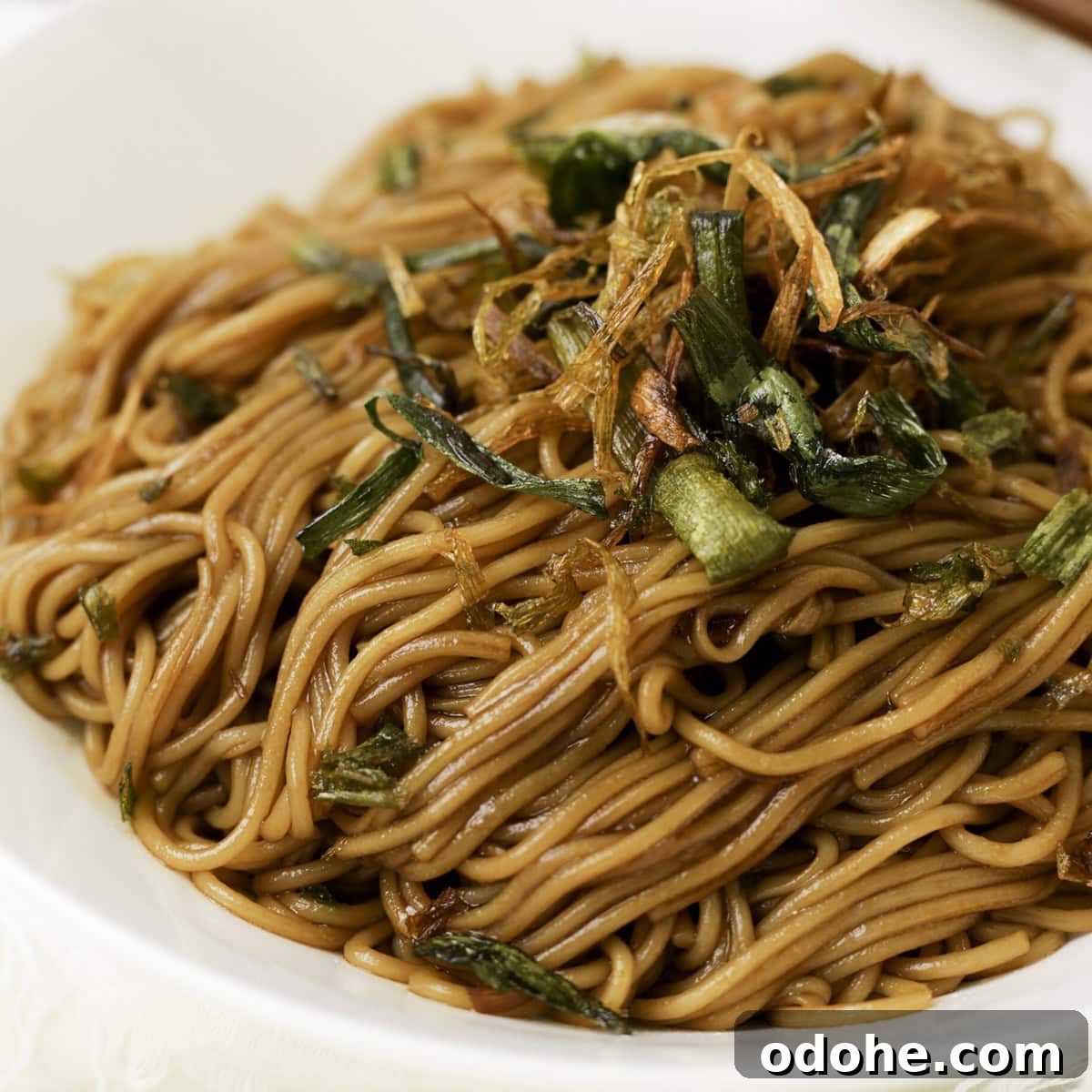
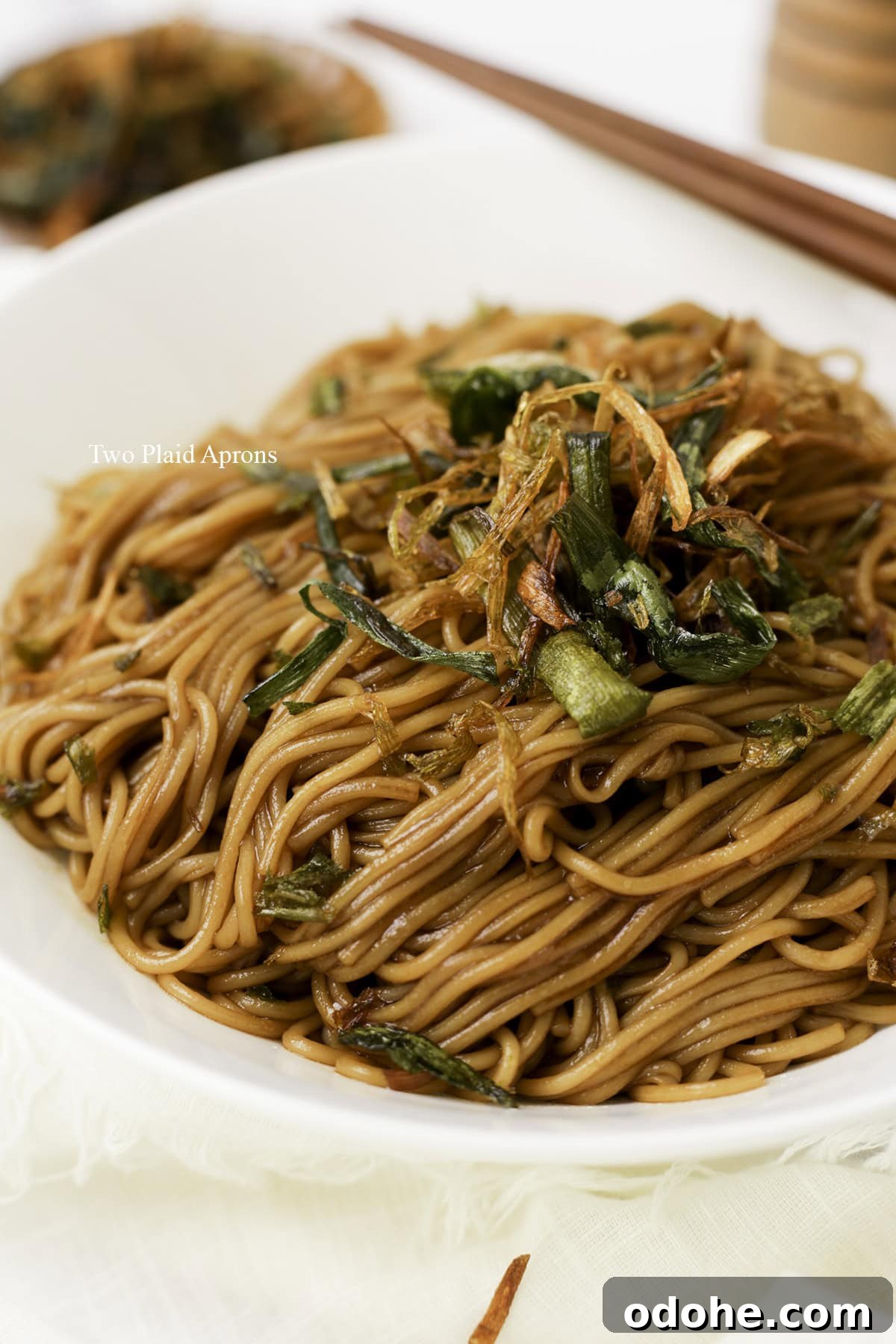
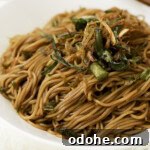
Scallion oil noodles is a beloved Shanghainese comfort food you can prepare in under 30 minutes. Springy wheat noodles are coated in a glossy, fragrant brown sauce made from scallion oil, soy sauce, dark soy sauce, and a touch of sugar. The simple sauce is addictive and pairs beautifully with Shanghai-style wonton soup, a refreshing smashed cucumber salad, or slices of char siu pork or char siu chicken to round out the meal.
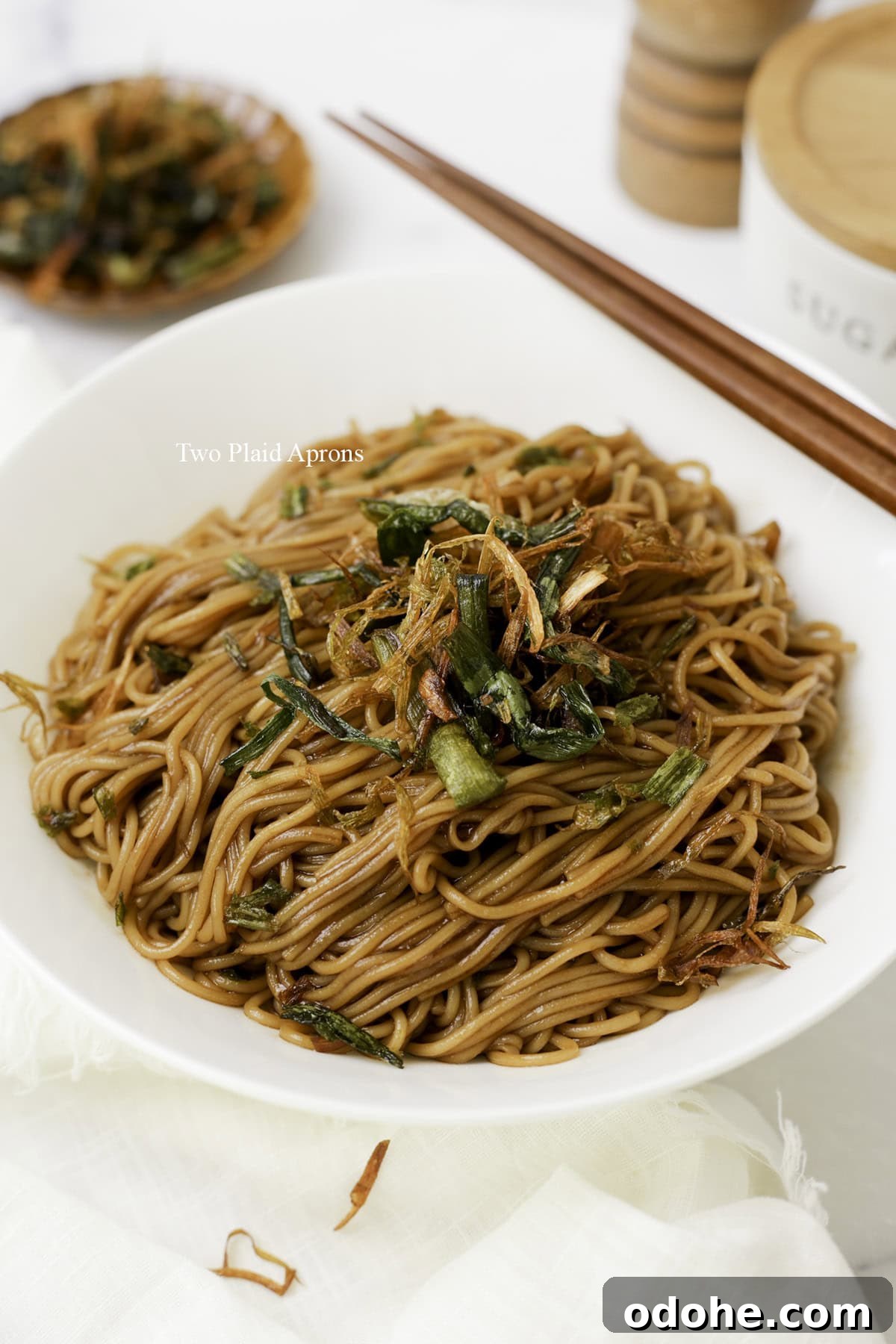
What is scallion oil noodles?
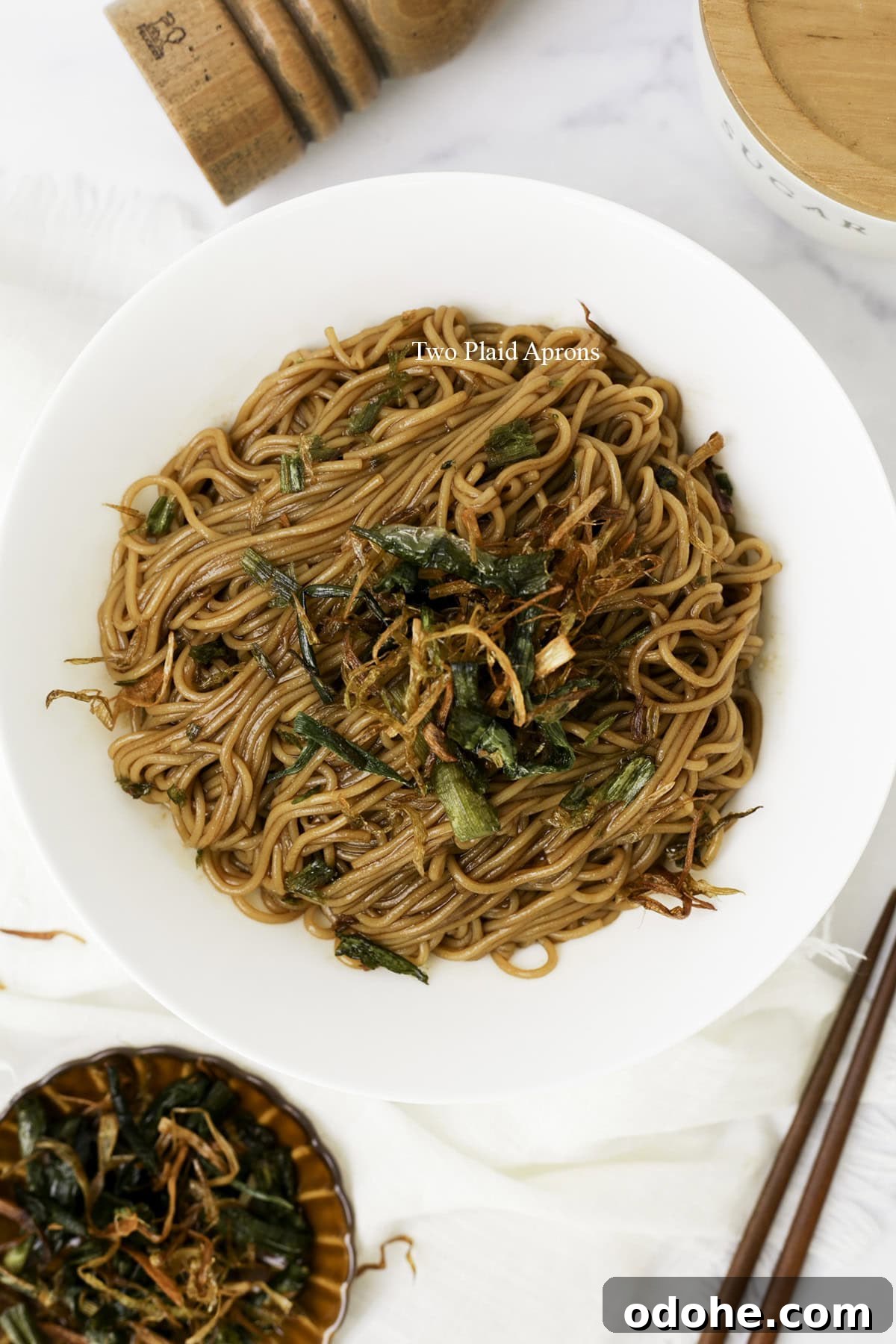
Scallion oil noodles (葱油拌面 – cōng yóu bàn miàn) is a straightforward Shanghai classic featuring white wheat noodles tossed with a glossy, savory sauce made from fragrant scallion oil, soy sauce, dark soy sauce, and sugar. The result is a comforting dish with mild, layered flavors. If you’ve tried instant jajangmyeon packets, you may find a similar savory profile, but scallion oil noodles are more aromatic thanks to the fried scallions.
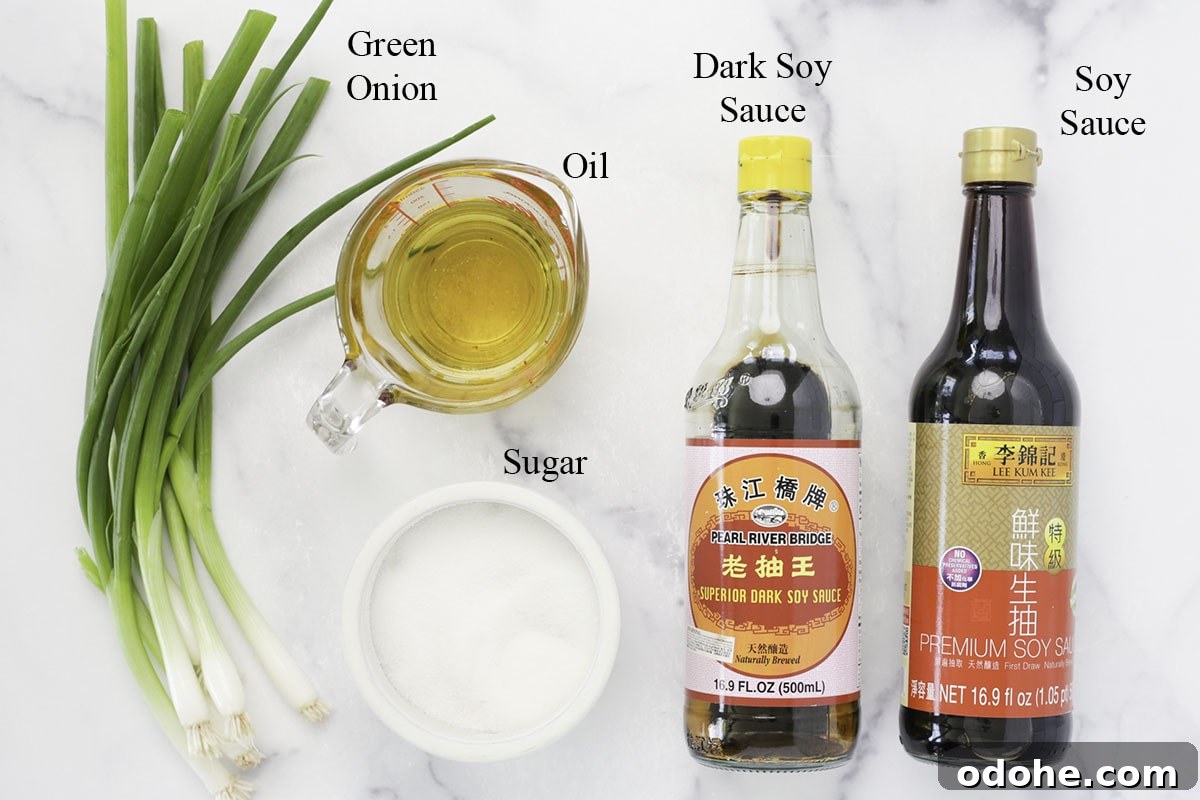
Ingredients needed
Please scroll down to the recipe card for exact quantities.
- Green onion (scallions) – Use plenty; the scallions give the oil its signature aroma.
- Neutral oil – Vegetable, canola, peanut, soybean, or avocado oil for a healthier option.
- Regular soy sauce and dark soy sauce – Regular soy sauce provides the savory saltiness; dark soy sauce adds color and a caramel-like depth. If using a saltier soy sauce, adjust sugar to balance.
- Sugar – Rounds out and balances the savory elements.
- White wheat noodles – Thin white wheat noodles are traditional and preferred; fresh or dried both work. In a pinch, soba, udon, linguine, or spaghetti can substitute. Instant ramen also works well.
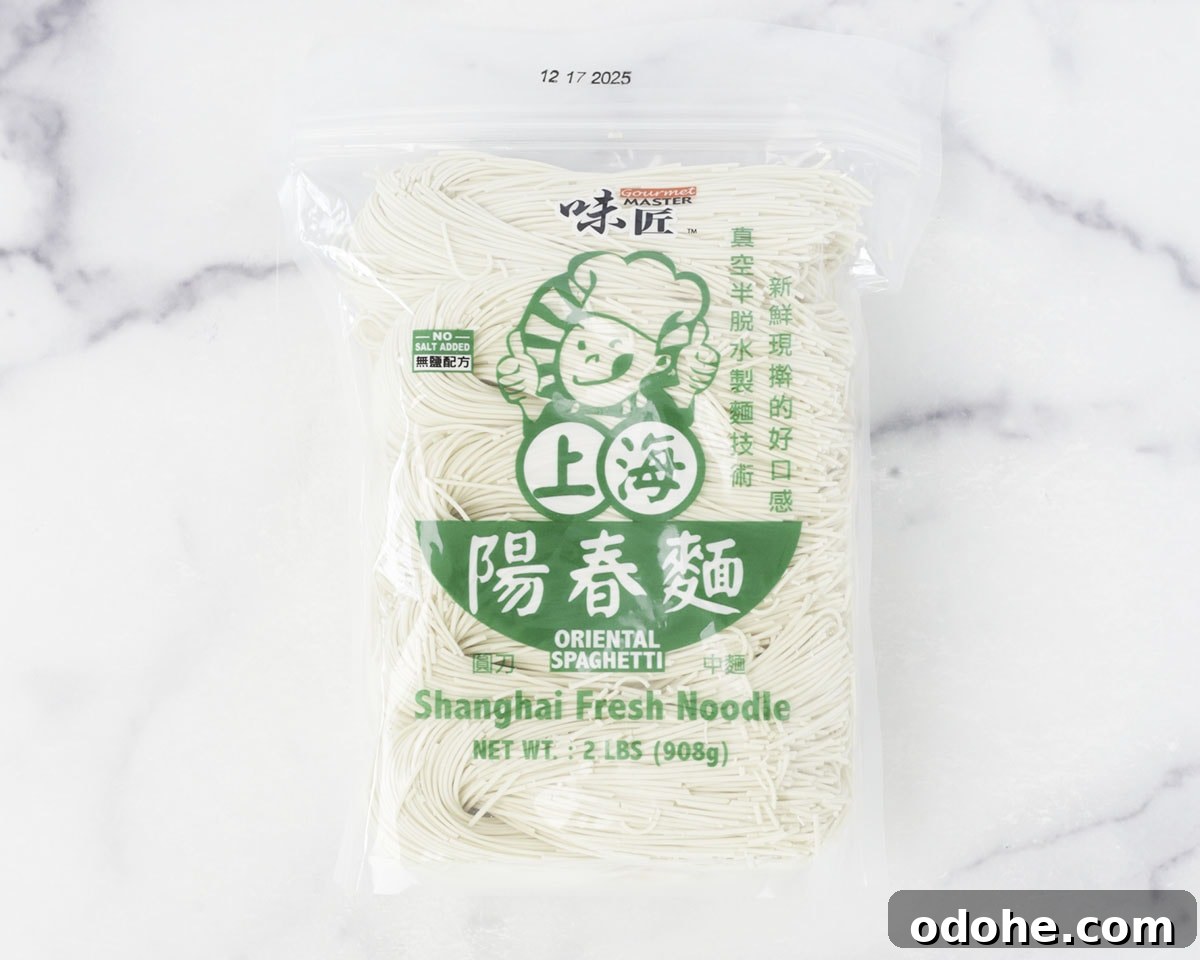
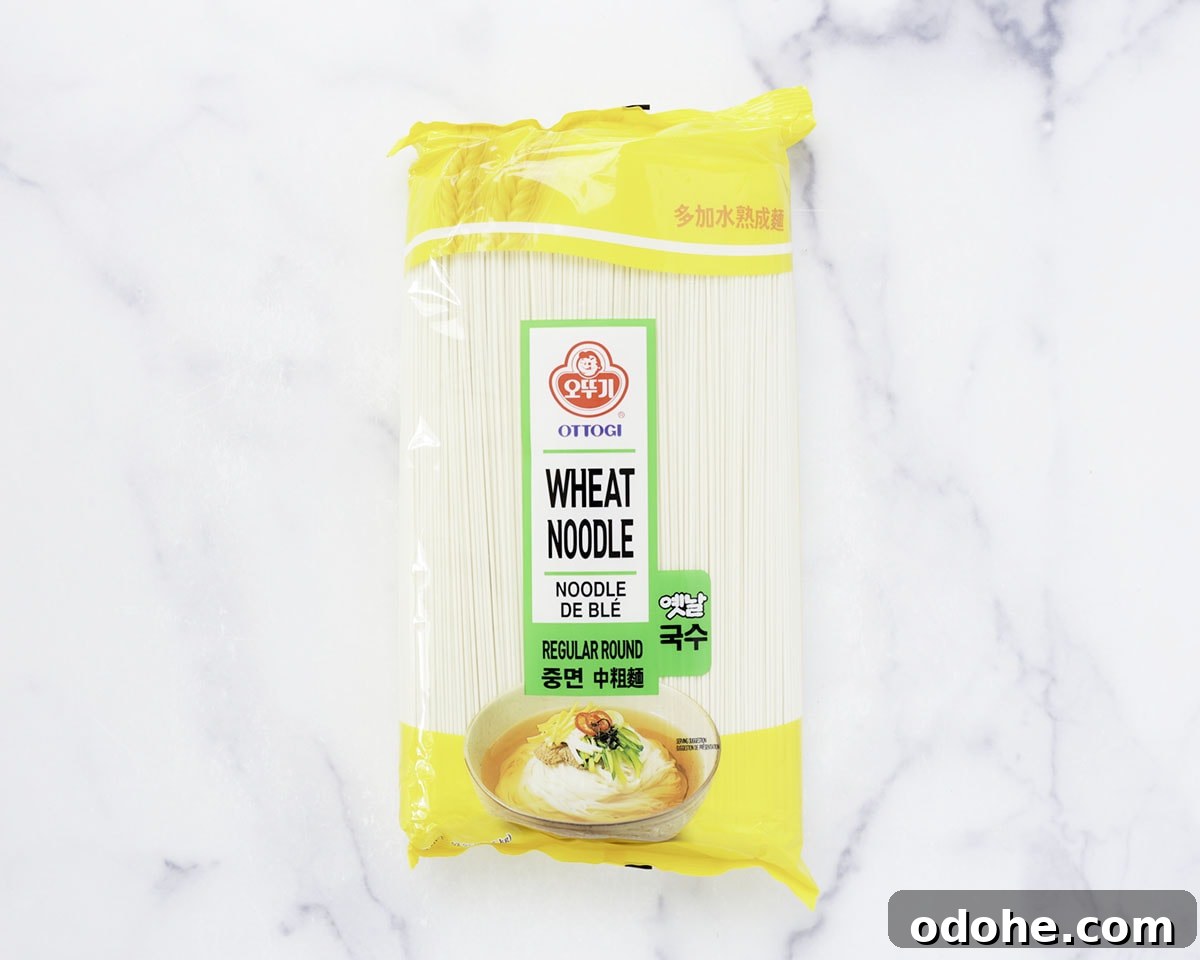
How to make scallion oil noodles
See the recipe card below for full quantities and timings.
1. Prepare the green onions. Cut the green tops into 2-inch pieces. Split the white parts lengthwise and slice into thin strips (you can halve or quarter them if you prefer). Discard the roots. Make sure the scallions are thoroughly dry before frying to avoid oil splatter.
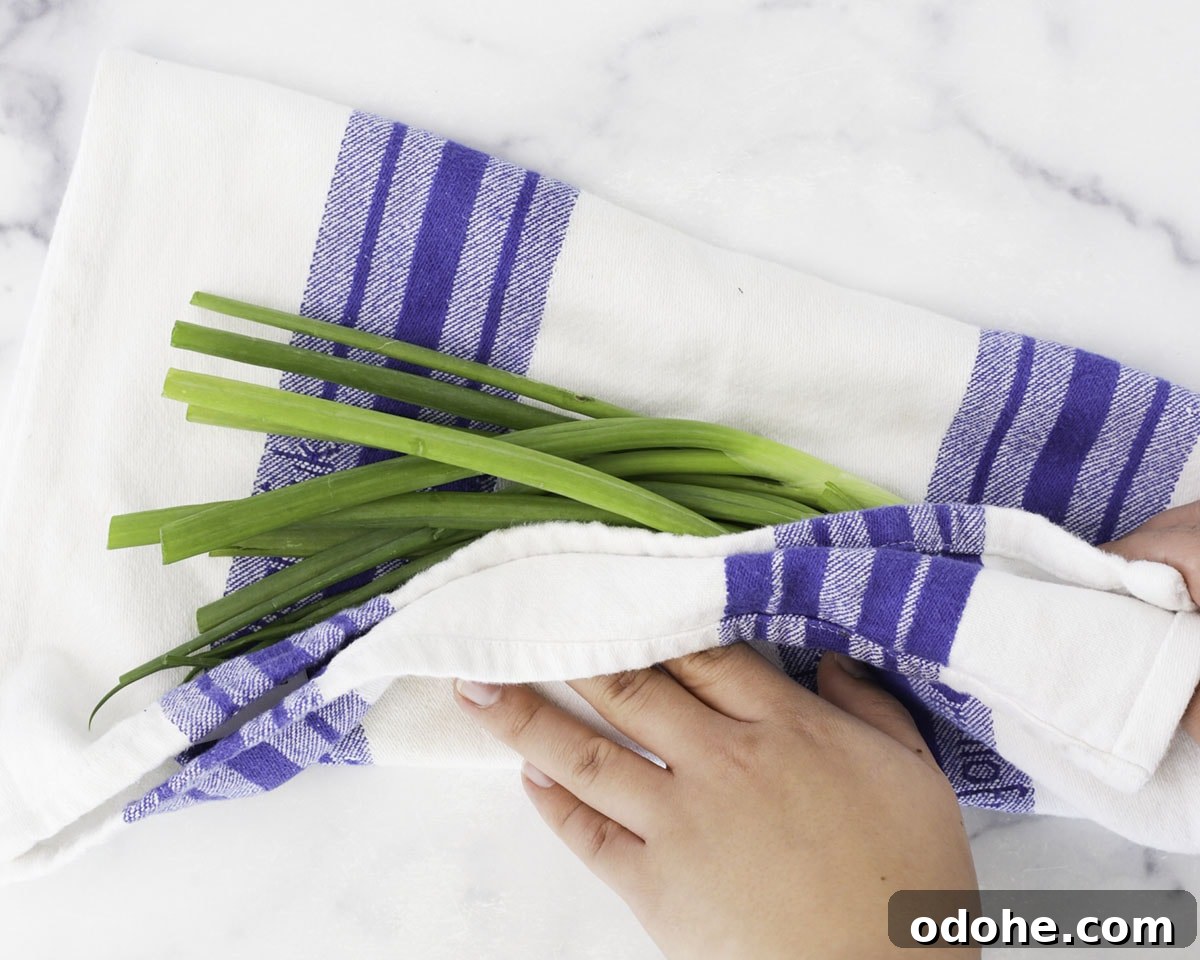
Tip: Dry the scallions well before cutting to reduce violent popping during frying.
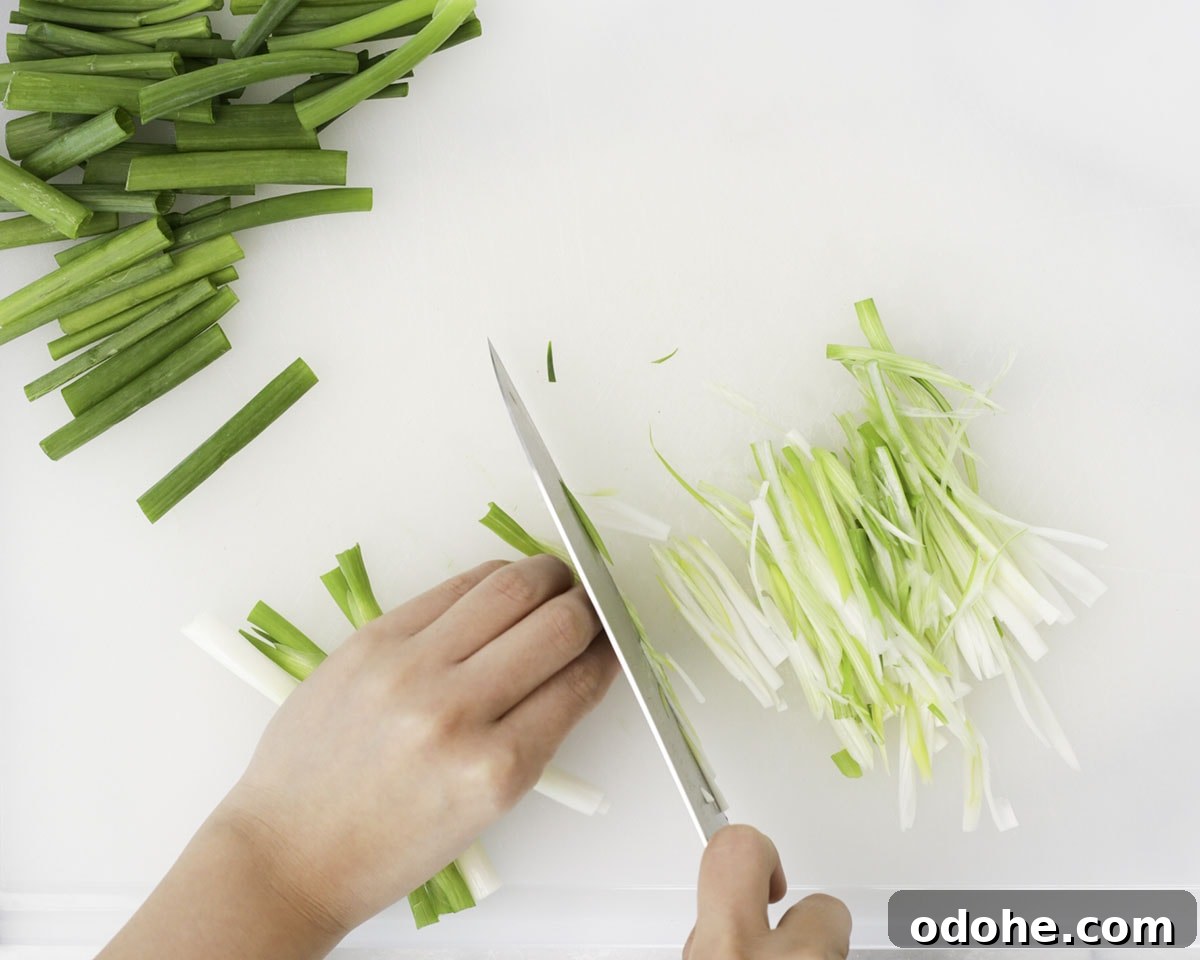
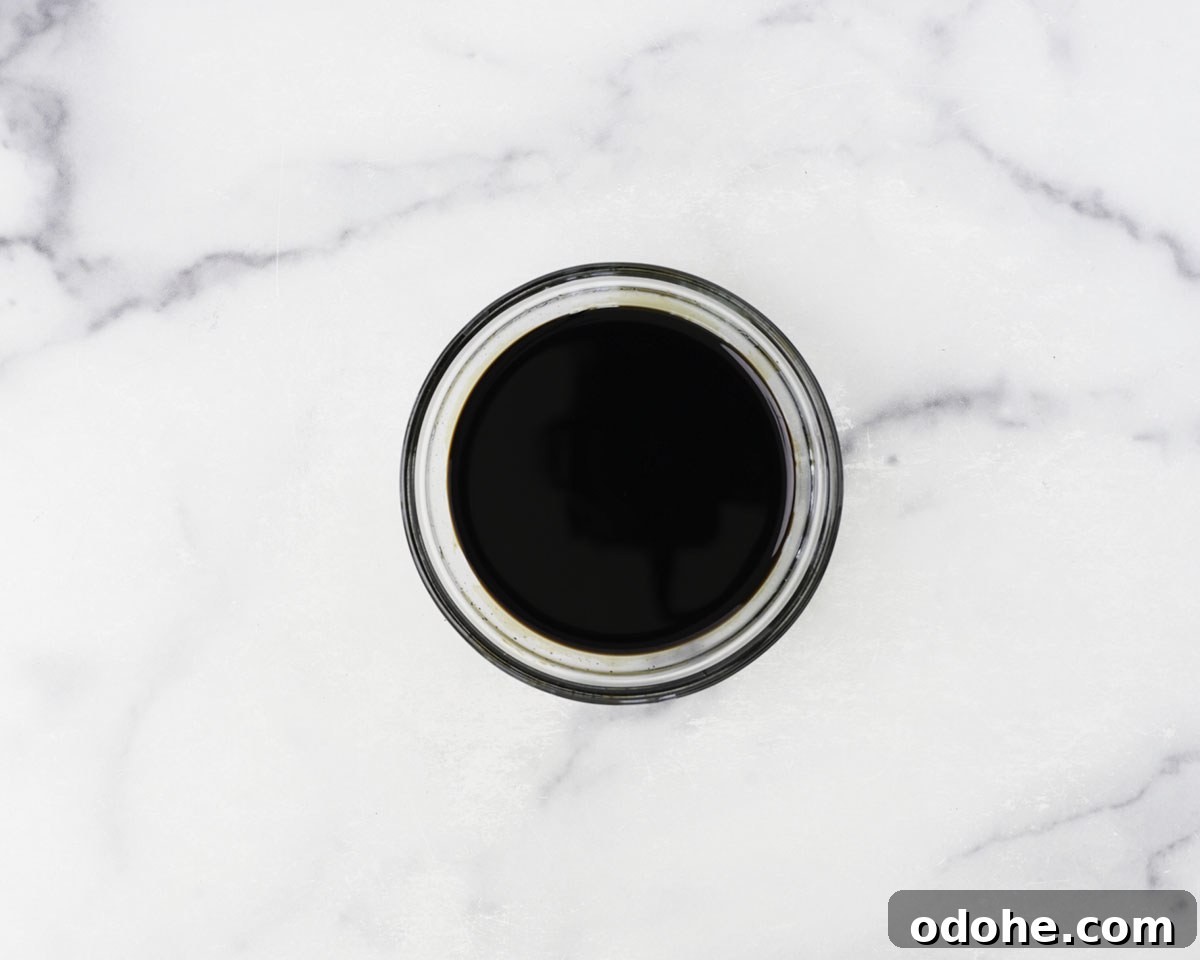
2. Prepare the sauce base. In a small bowl, whisk together the regular soy sauce, dark soy sauce, and sugar until dissolved. Set aside.
3. Make the scallion oil. In a small saucepan, heat the oil until it reaches about 235°F (113°C). If you don’t have a thermometer, test with a wooden chopstick or spoon—if a steady stream of small bubbles forms around it, the oil is ready. Reduce the heat to medium-low, add the scallions, and gently fry them, stirring occasionally, until golden. Remove the fried scallions and drain on paper towels.
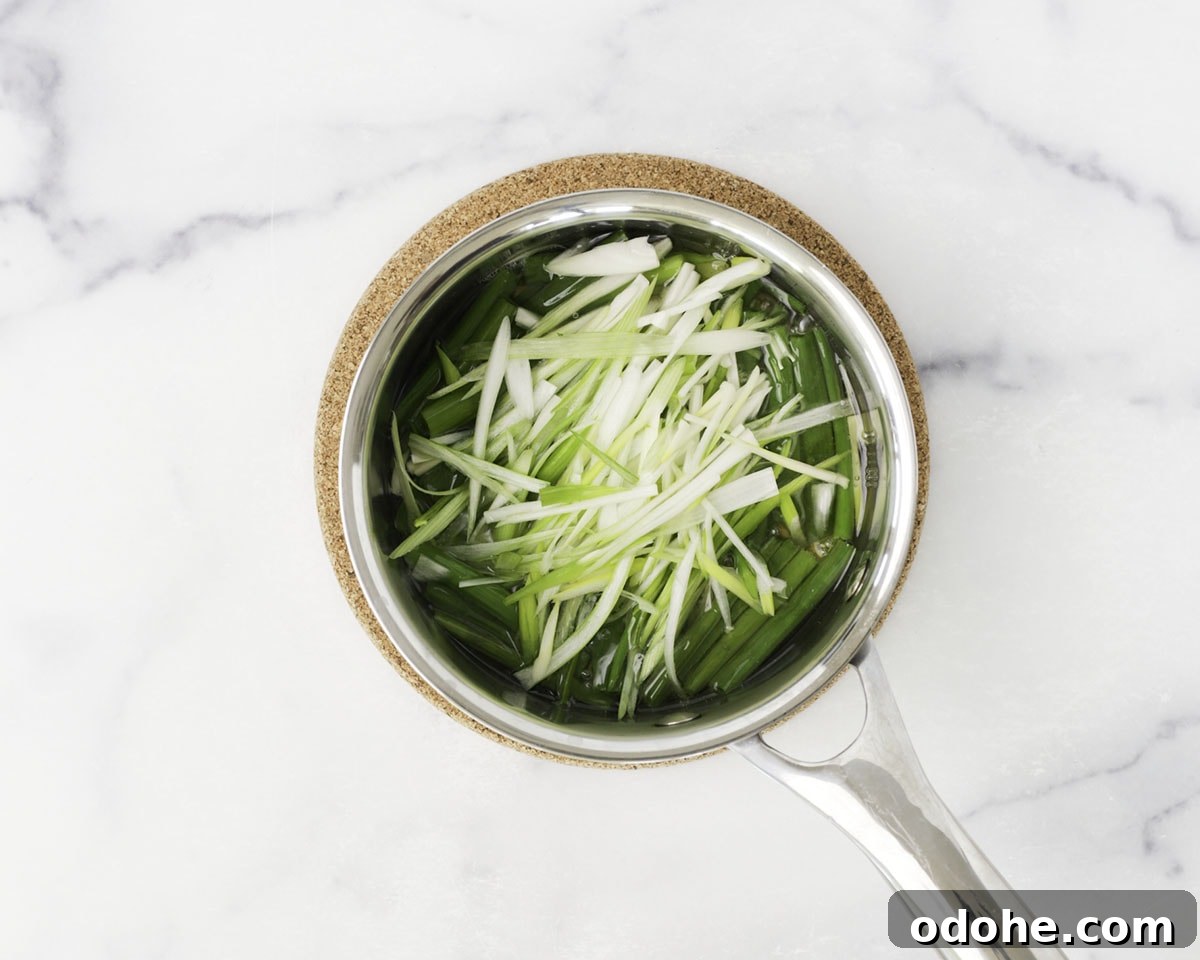
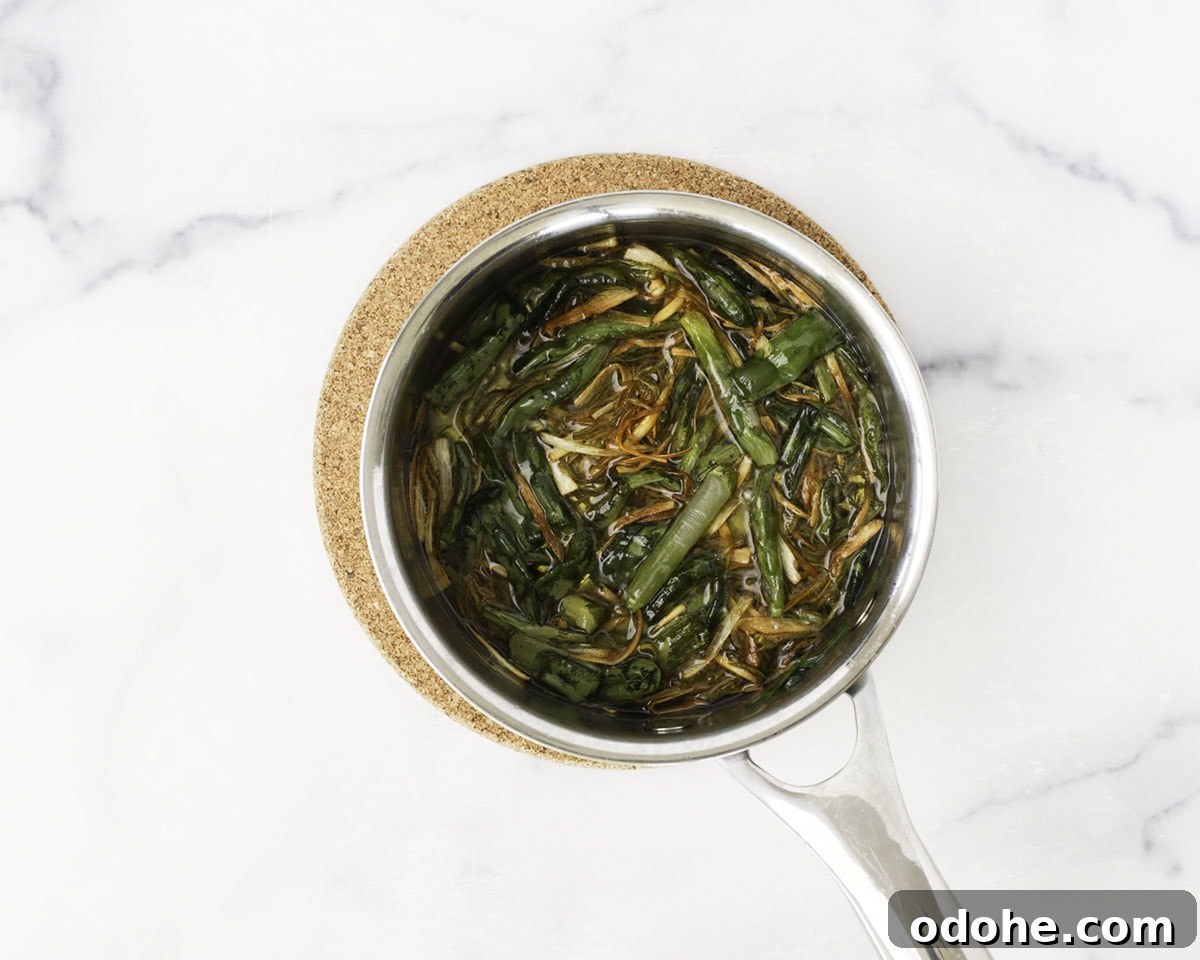
Pro tip: You can test oil temperature with a wooden spoon or chopsticks; a steady stream of small bubbles indicates the right temperature.
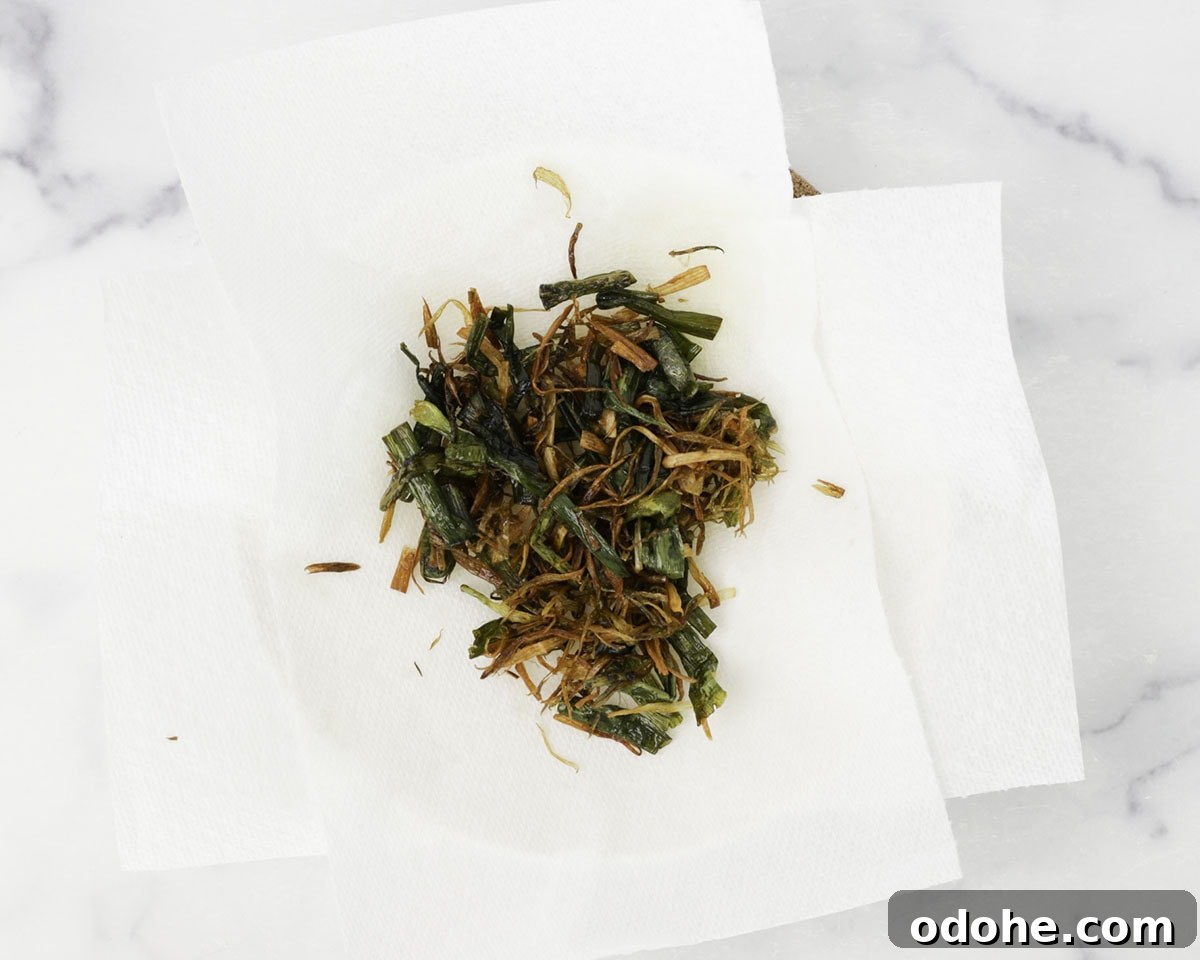
4. Cook the sauce. Carefully add the prepared soy-sugar mixture to the hot scallion oil. Keep the heat at medium-low and simmer for 1–2 minutes. The sauce should bubble gently—avoid vigorous boiling.
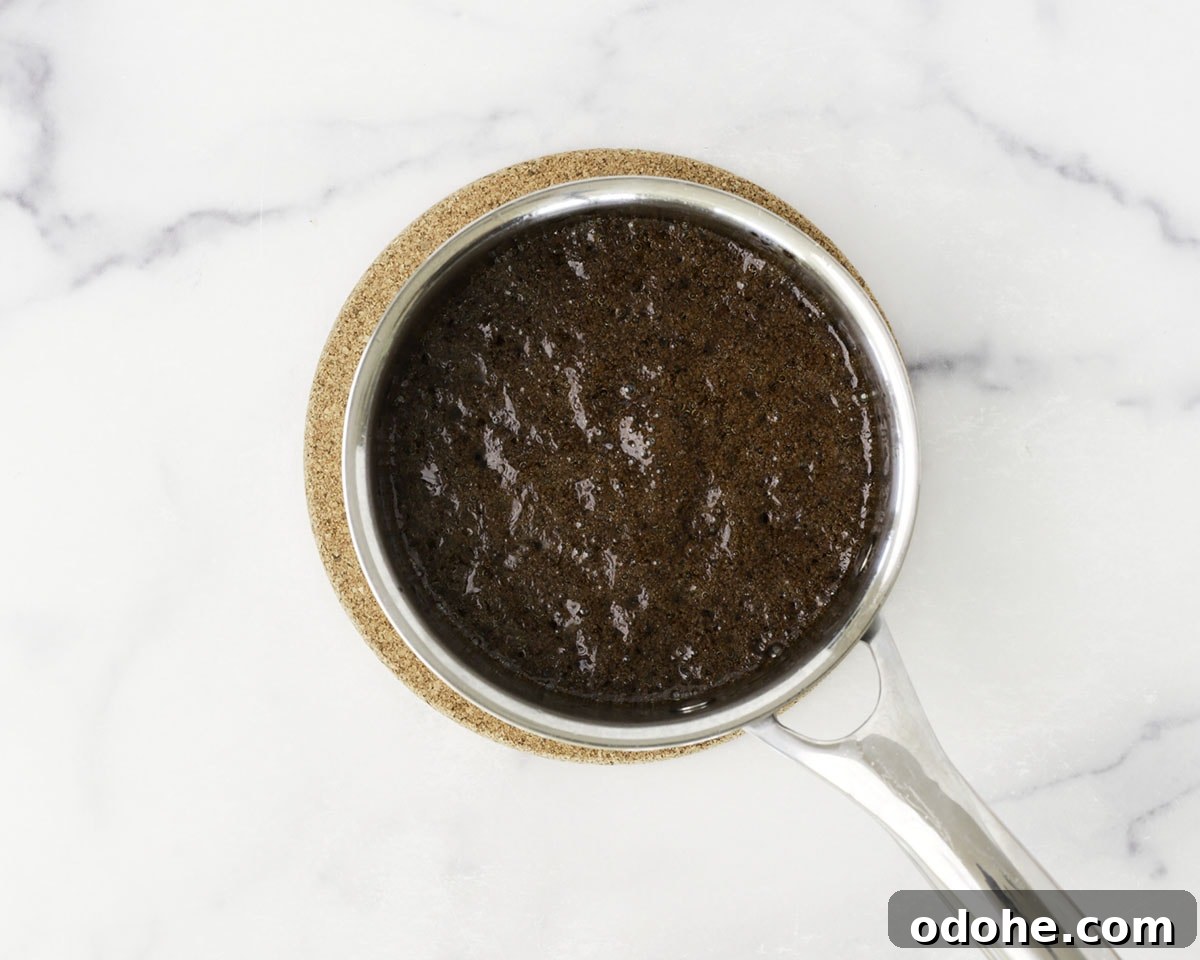
5. Assemble the dish. Bring a pot of water to a boil and cook the noodles until al dente. Drain and divide into bowls (about 4 oz / 115 g per serving). Top each portion with about 2 tablespoons of the scallion oil sauce, stirring the sauce before spooning to mix oil and seasonings evenly. Garnish with the fried scallions.
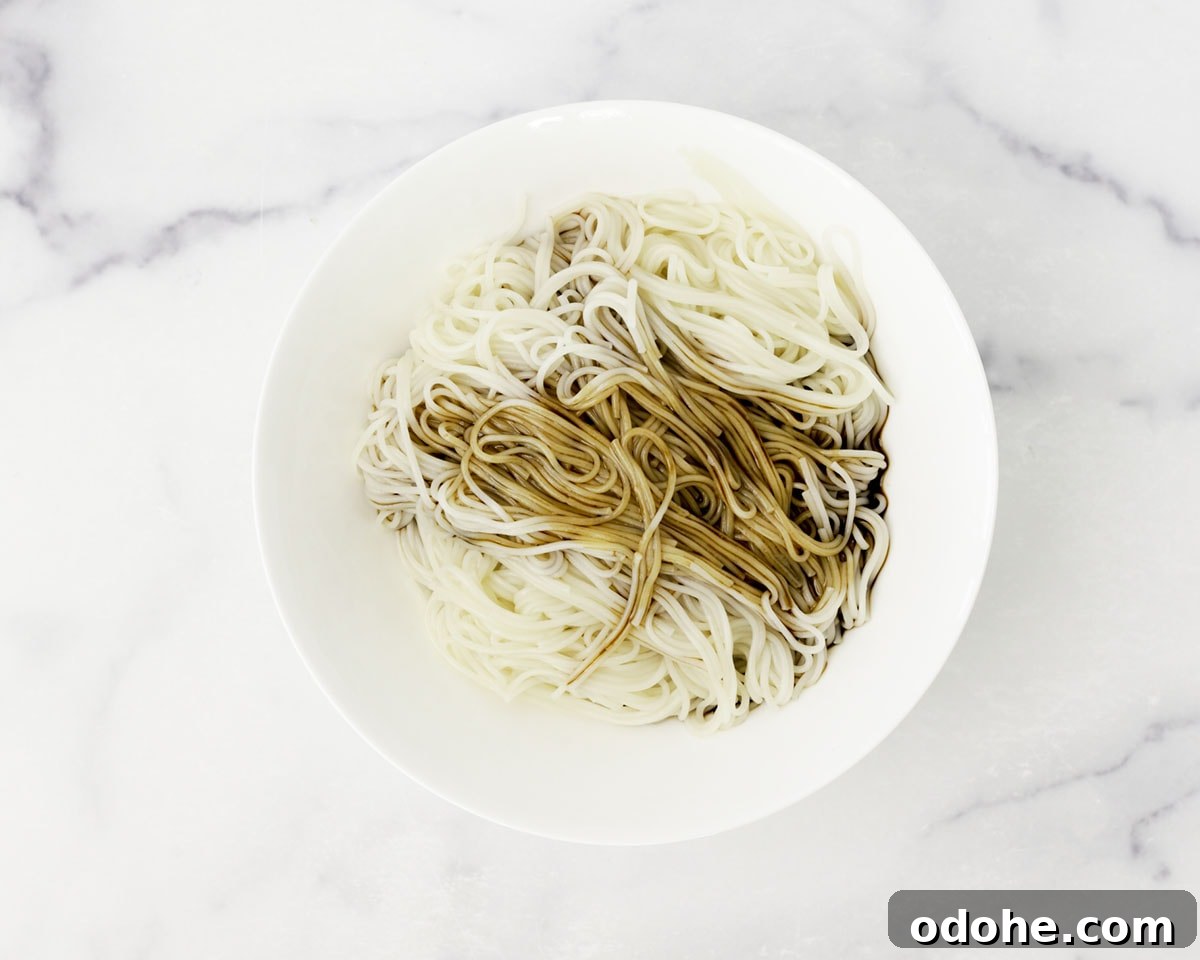
Note: We find that not rinsing the noodles preserves more starch on the surface, which helps the sauce cling and creates a creamier texture. Rinsing can dilute flavor.
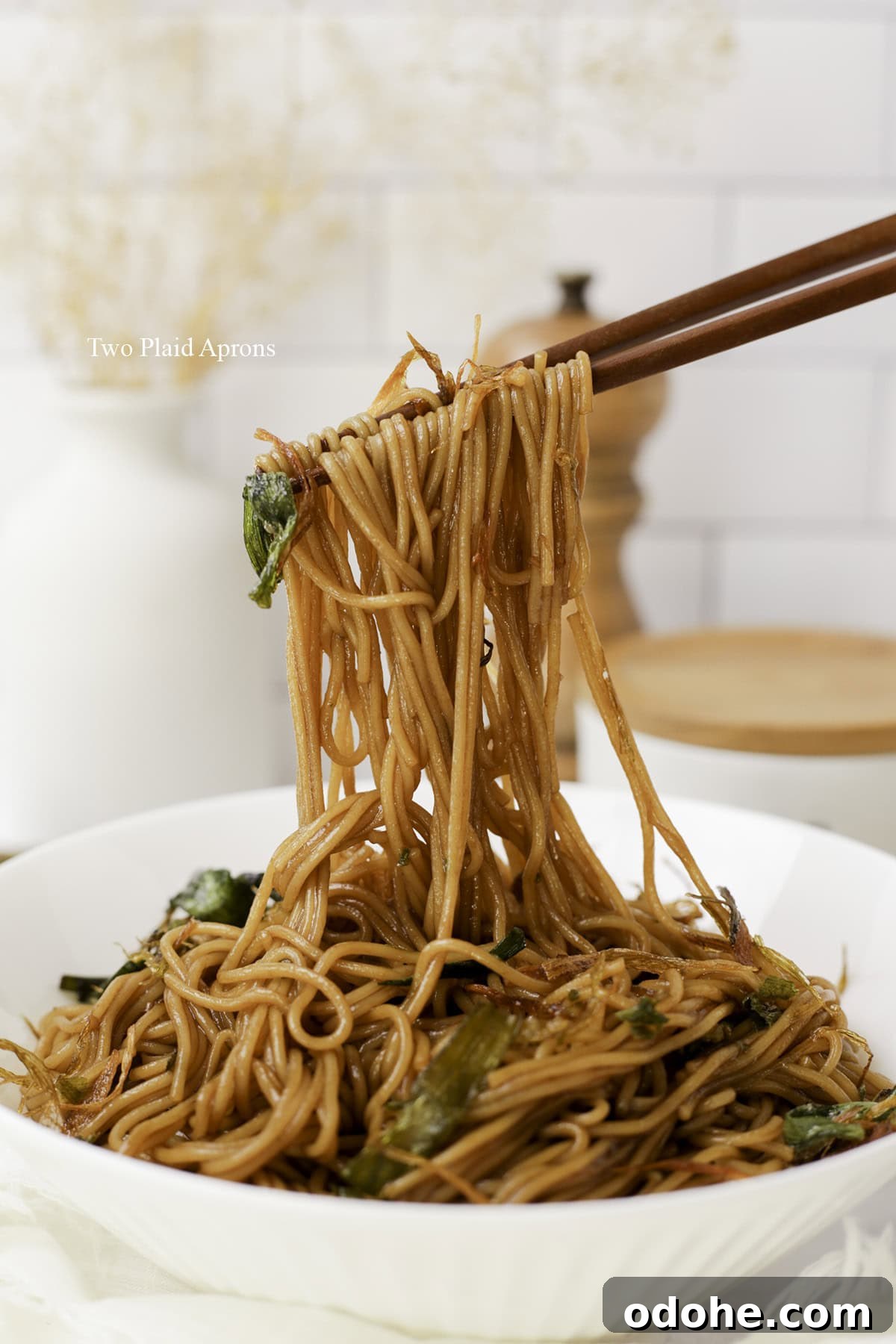
6. Enjoy. Toss the noodles well so they are evenly coated and serve hot.
Storage
These noodles are best eaten fresh; they lose their bounce as they sit. Cook only what you’ll eat when possible. Leftovers already mixed with scallion oil can be reheated briefly in the microwave.
The scallion oil sauce stores well in an airtight container in a cool, dark place or refrigerated for up to two months. It does not need to be reheated—just toss with hot noodles. Fried scallions should be kept in an airtight container lined with paper towels and eaten within three days for best texture.
FAQ
Yes. Brown sugar can be used in place of granulated sugar and will add a slightly deeper, molasses-like note.
Dark soy sauce contributes color and a subtle caramelized flavor. The dish can be made without it, but the color and depth will differ. Adjust the amount to taste.
Thin, round white wheat noodles are traditional, but many white wheat noodles work. In a pinch, udon, soba, linguine, spaghetti, or instant ramen can substitute.
📖 Recipe
Scallion Oil Noodles
Ingredients
- 1 bunch green onion (about 2.5 oz)
- 1/2 cup neutral oil (avocado, vegetable, or canola)
- 6 tablespoons regular soy sauce
- 3 tablespoons dark soy sauce
- 2 tablespoons granulated sugar
- 1 pound thin wheat noodles (about 4 oz / 115 g per serving)
Instructions
- Prepare the green onions: Cut green parts into 2-inch pieces and slice the white parts into thin strips. Pat dry to avoid oil splatter.
- Make the sauce base: Combine regular soy sauce, dark soy sauce, and sugar in a bowl and stir until sugar dissolves.
- Heat oil in a saucepan to about 235°F (113°C) or until a steady stream of small bubbles forms around a wooden utensil. Reduce heat to medium-low.
- Add all scallion pieces to the oil and gently fry, stirring occasionally, until golden, about 5 minutes. Remove and drain on paper towels.
- Carefully add the soy-sugar mixture to the hot oil. Simmer gently over medium-low heat for 1–2 minutes, keeping the simmer gentle.
- Assemble: Cook noodles to al dente, drain, and divide into bowls. Top each portion with about 2 tablespoons of sauce (stir sauce before using) and garnish with the fried scallions. Mix well and serve hot.
Notes
- Noodles: Thin white wheat noodles are traditional. If unavailable, udon, soba, linguine, or spaghetti are acceptable substitutes. Instant ramen works too.
- Soy sauce: Different soy sauces vary in saltiness and flavor. Adjust sugar to balance if your soy sauce is saltier.
Recommended equipment
- Saucepan
- Measuring spoons
- Mesh strainer