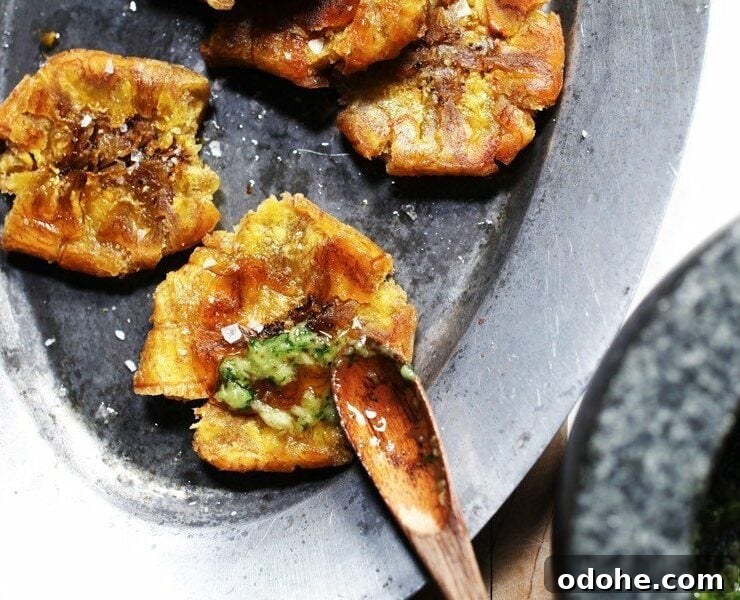
This Dominican Tostones recipe (patacones) is pure comfort food. Twice-fried green plantains become irresistibly crisp on the outside and tender inside, and they’re perfect with a simple cilantro-garlic ajillo or a garlicky mayo‑ketchup (salsa rosada). Follow a few key steps—correct oil temperature and a consistent smash—to get evenly golden tostones every time.
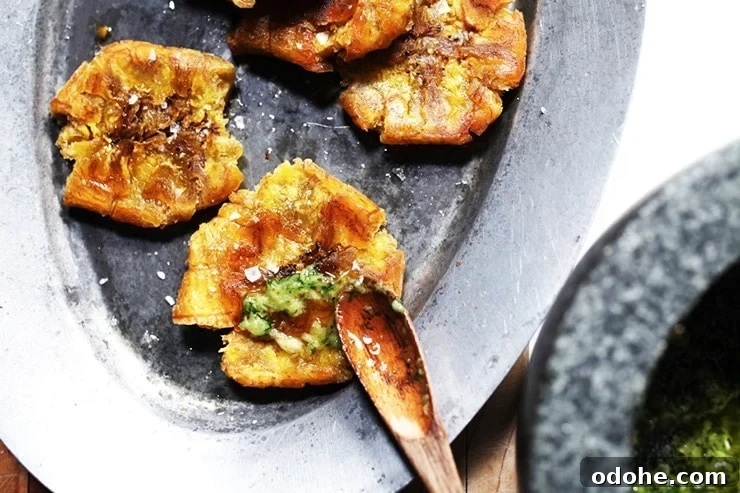
Table of contents
- What are Tostones (Patacones)?
- Tostones Recipe Ingredients
- Ingredients to Make Tostones
- Dipping Sauces
- Authentic Dominican Tostones Recipe: Special Equipment
- How to Pick and Peel Green Plantains
- How to Pick Plantains
- How To Peel Plantains
- How to Make Dominican Tostones
- How to Serve Tostones
- Can tostones be made ahead of time?
- Tostones Recipe: Frequently Asked Questions (FAQs)
- The Plantains
- Types of Oil for Frying
- Preparation
This recipe carries a personal history: summers in the Dominican Republic, family kitchens, and the memory of crisp tostones sprinkled with sea salt and served with cold drinks on a porch. Those childhood meals—three generations cooking together—made tostones a favorite and a staple in Dominican home cooking.
Plantains play an essential role across Latin American and Caribbean cuisines. Tostones (also called patacones in parts of South America) are one of the many ways to prepare plantains: thin chips, mashed forms, sweet maduros when ripe, or double-fried crisp tostones when green. The technique and timing shape the outcome—choose firm green plantains for this recipe.
Tostones are straightforward to make but full of flavor. Peel and slice green plantains, soak them briefly in salted water (optional garlic added), pat dry, fry once, flatten, then fry a second time to reach the ideal crispness. Finish with a sprinkle of salt and serve warm with dipping sauces.
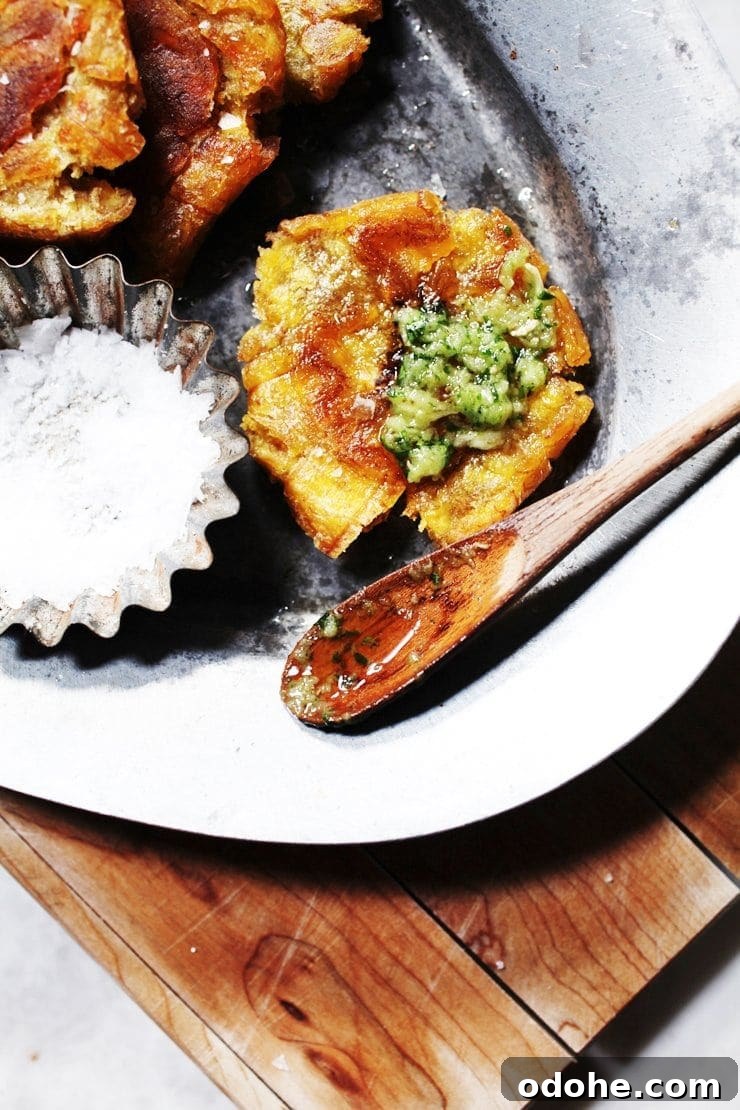
A reliable method and a few simple ingredients are all you need to recreate authentic Dominican tostones at home.
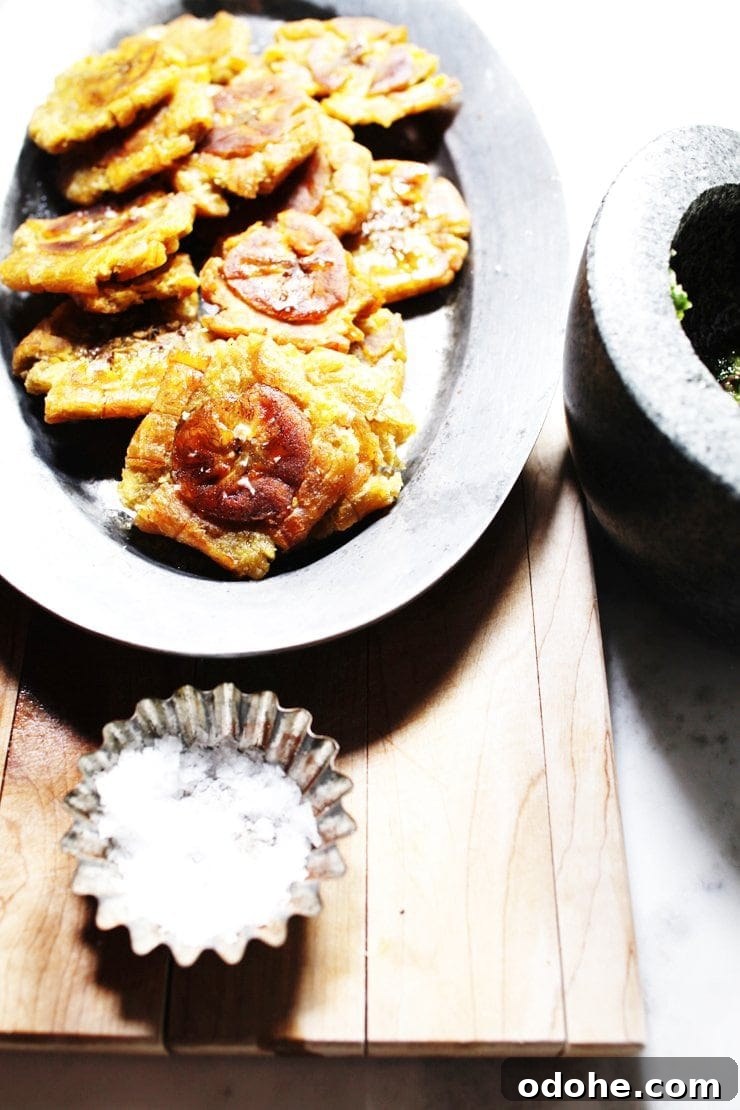
What are Tostones (Patacones)?
Tostones are twice-fried green plantains, known as patacones in some countries. For many Latin American households, they are as common as potato chips or fries are elsewhere—an everyday, versatile side or snack.
Tostones Recipe Ingredients
This authentic Dominican tostones recipe includes two parts: the tostones themselves and simple dipping sauces. Below are the basic components and a few notes on choosing them.
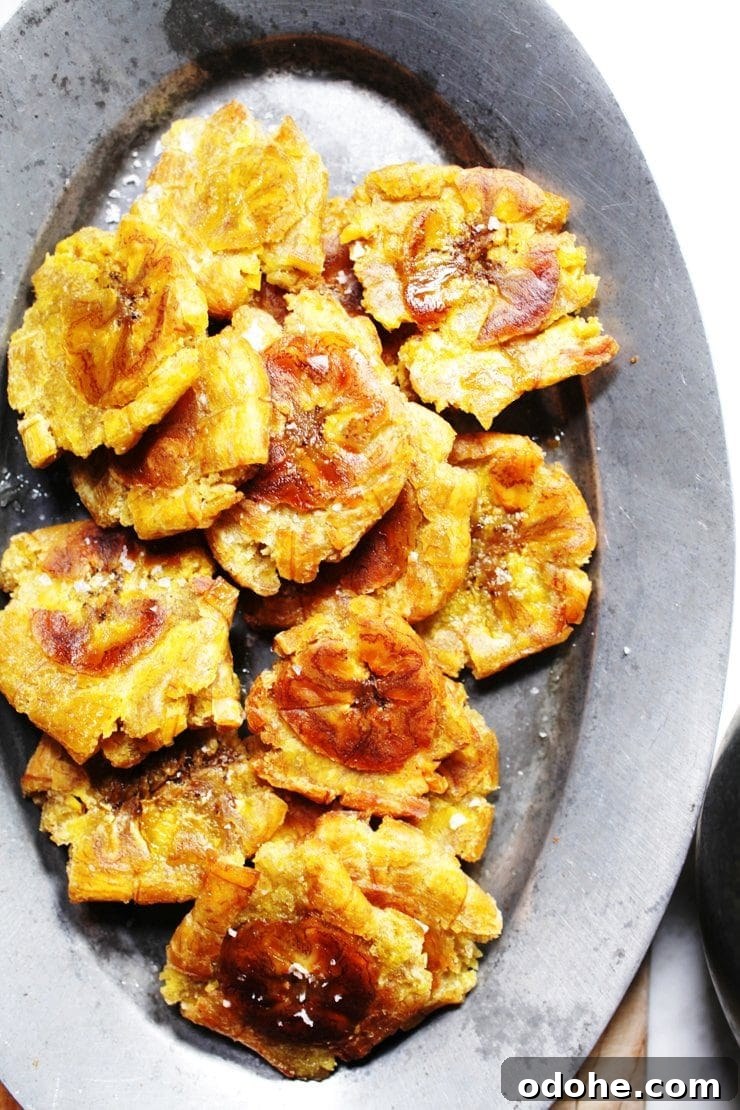
Ingredients to Make Tostones
• Green Plantains: Choose firm, fully green plantains with no yellowing. These are available at most grocery stores and markets. Larger plantains give more yield.
• Salt: Fine-grain sea salt or kosher salt to season the soak and to finish the tostones. A finishing salt like Maldon adds texture but is optional.
• Water: Cold water for soaking the cut plantains briefly to remove excess starch and prevent browning.
• Oil for Frying: Use a neutral high-heat oil such as sunflower, canola, corn, grapeseed, peanut, or safflower. Avoid extra-virgin olive oil for frying.
Dipping Sauces
• Mayo-Ketchup (Salsa Rosada): Combine equal parts mayonnaise and ketchup with a clove of finely grated garlic. Adjust garlic to taste for a garlicky pink sauce.
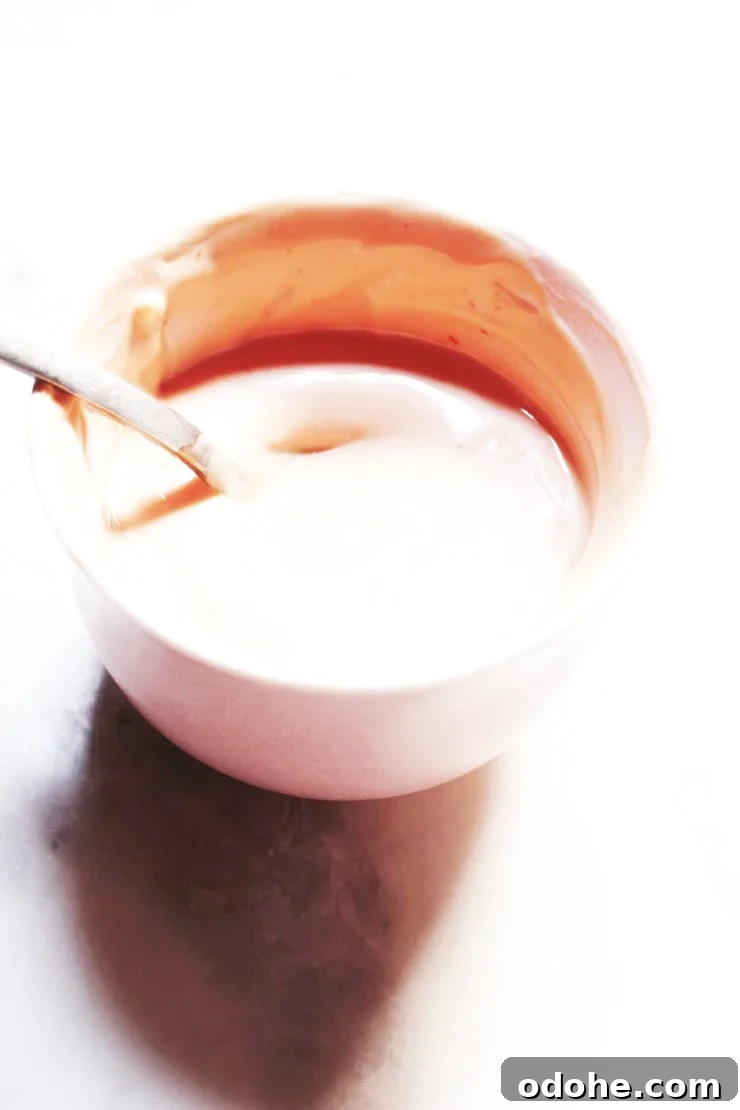
• Ajillo: A simple garlic-and-oil dip made from crushed garlic, salt, and oil. It can be slightly warmed or served at room temperature.
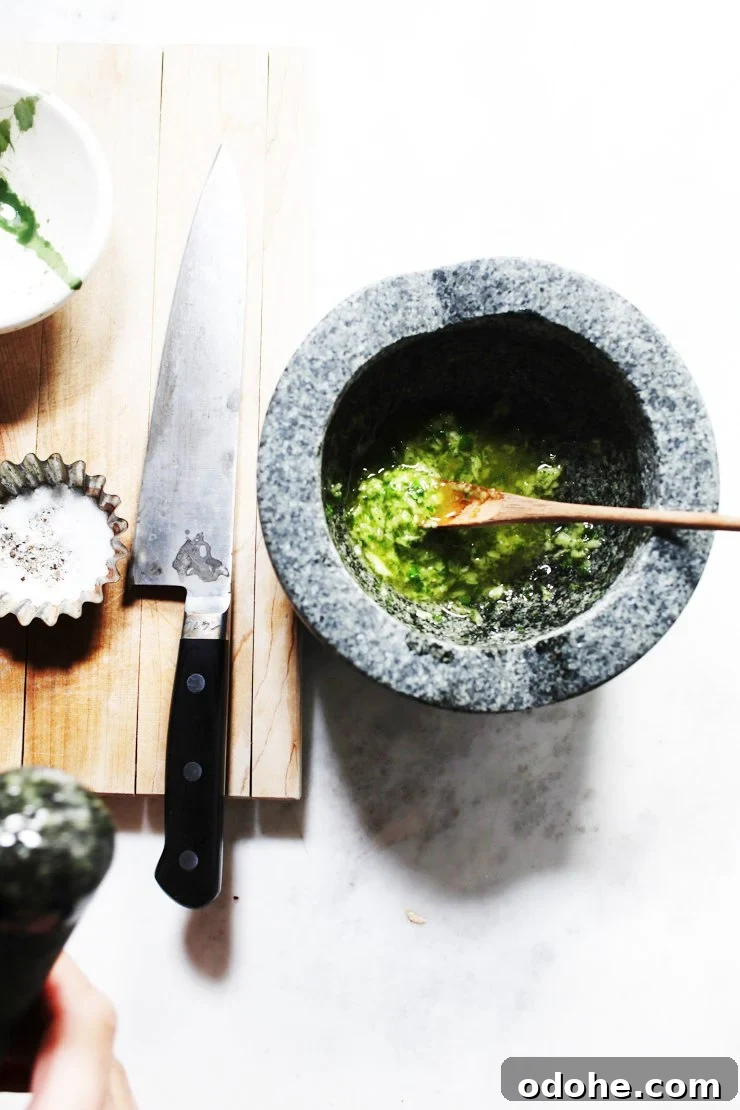
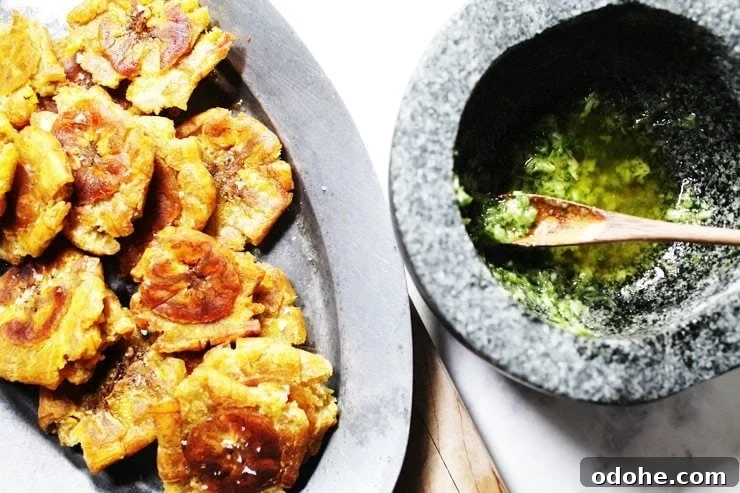
• Cilantro Ajillo: Add chopped cilantro to the ajillo for brightness and freshness—an excellent complement to the rich fried plantains.
Authentic Dominican Tostones Recipe: Special Equipment
• Tostonera (plantain press) — optional: Many cooks use a wooden or metal tostonera to flatten the plantains after the first fry. If you don’t have one, the flat bottom of a mug, plate, glass, or a meat mallet works well.
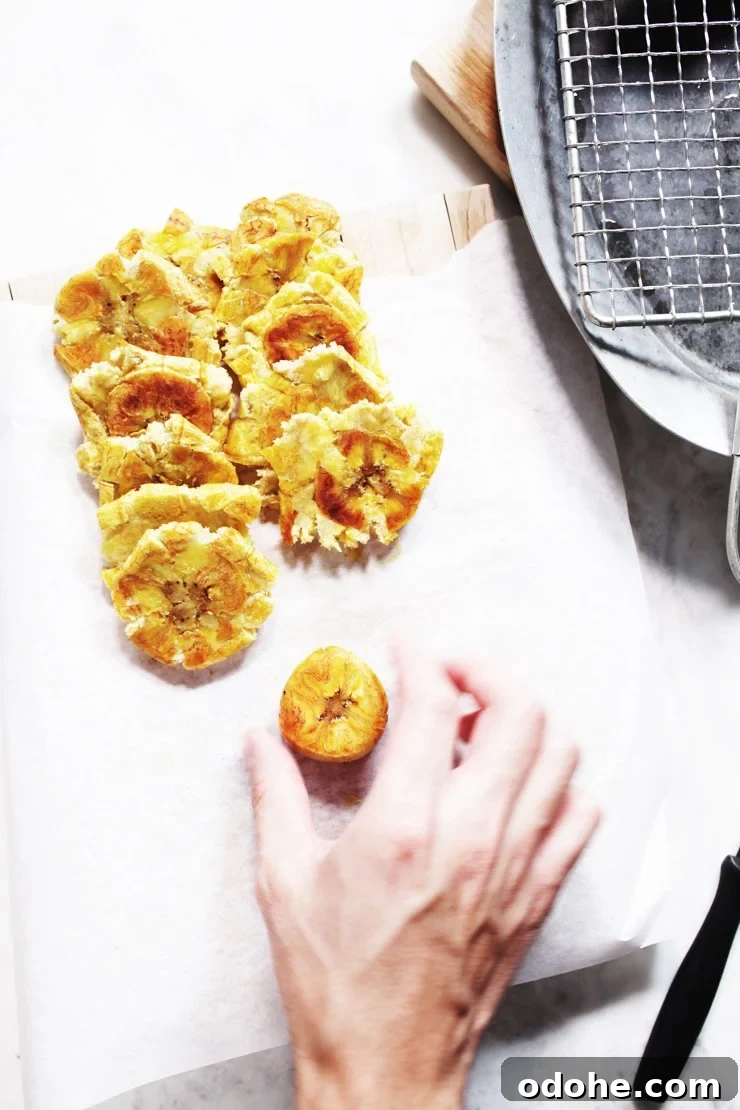
Any sturdy, flat surface for pressing will give great results—no special tools required.
Read more: Tostones Recipe FAQ located below the recipe section in this post.
How to Pick and Peel Green Plantains
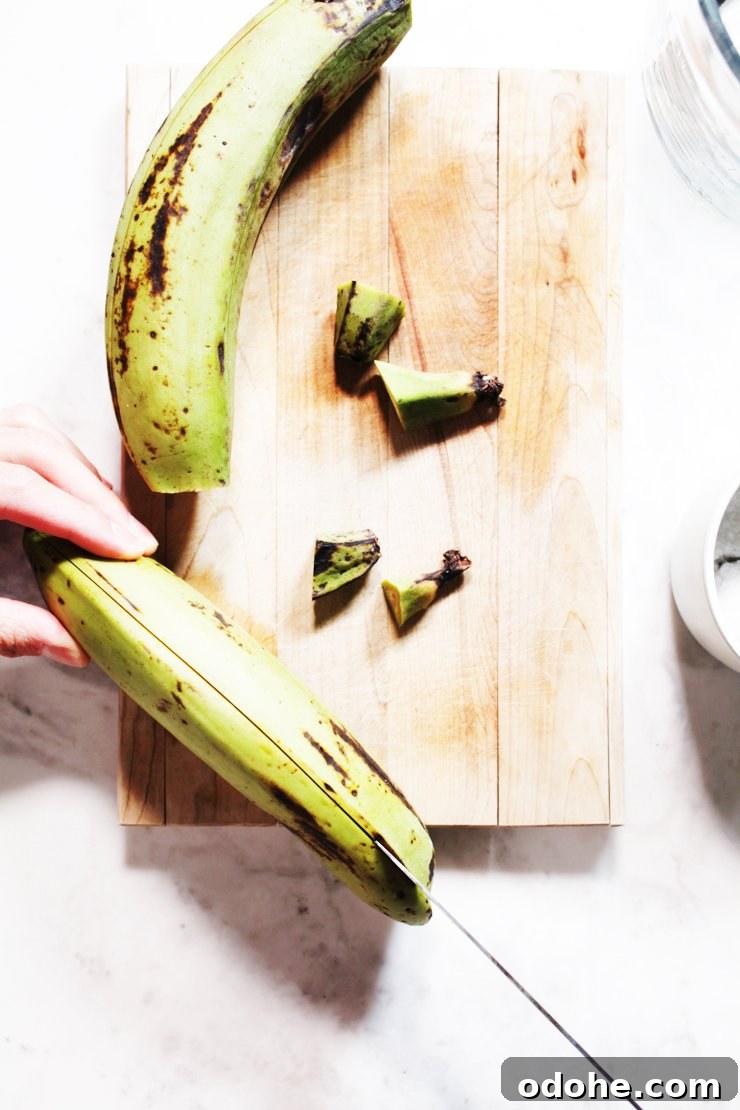
How to Pick Plantains
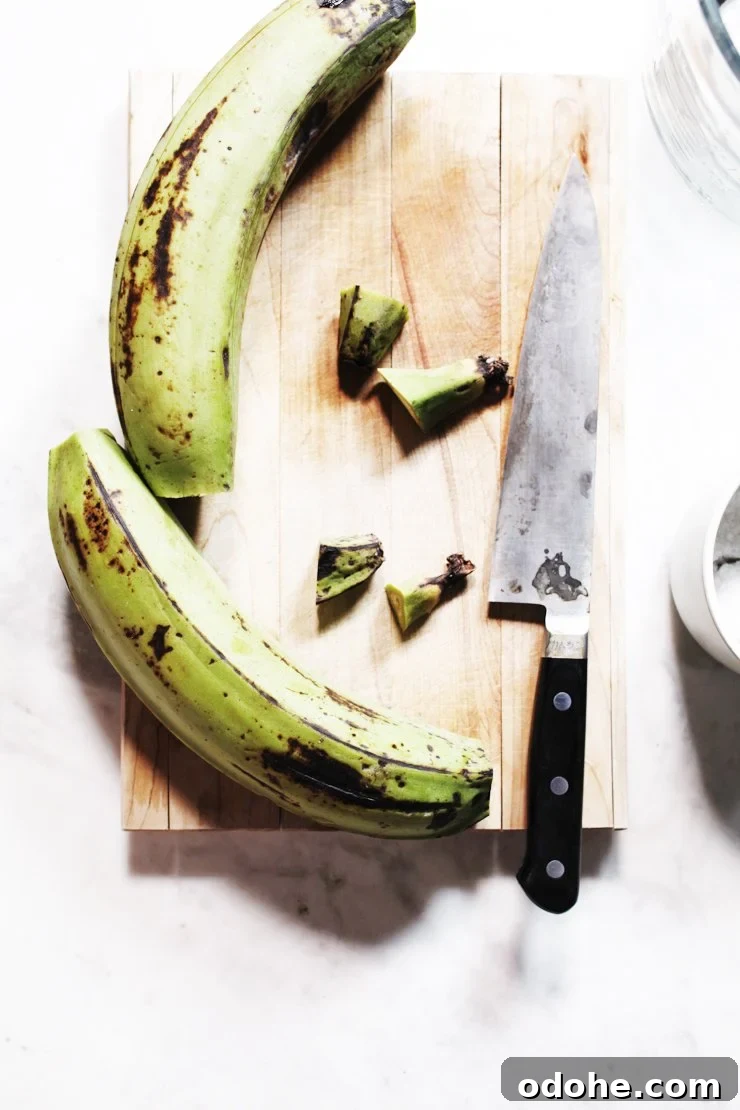
Choose firm, deep-green plantains with no yellowing. Yellow or black spots indicate ripening and sweetness, which are better suited for maduros, not tostones.
How To Peel Plantains
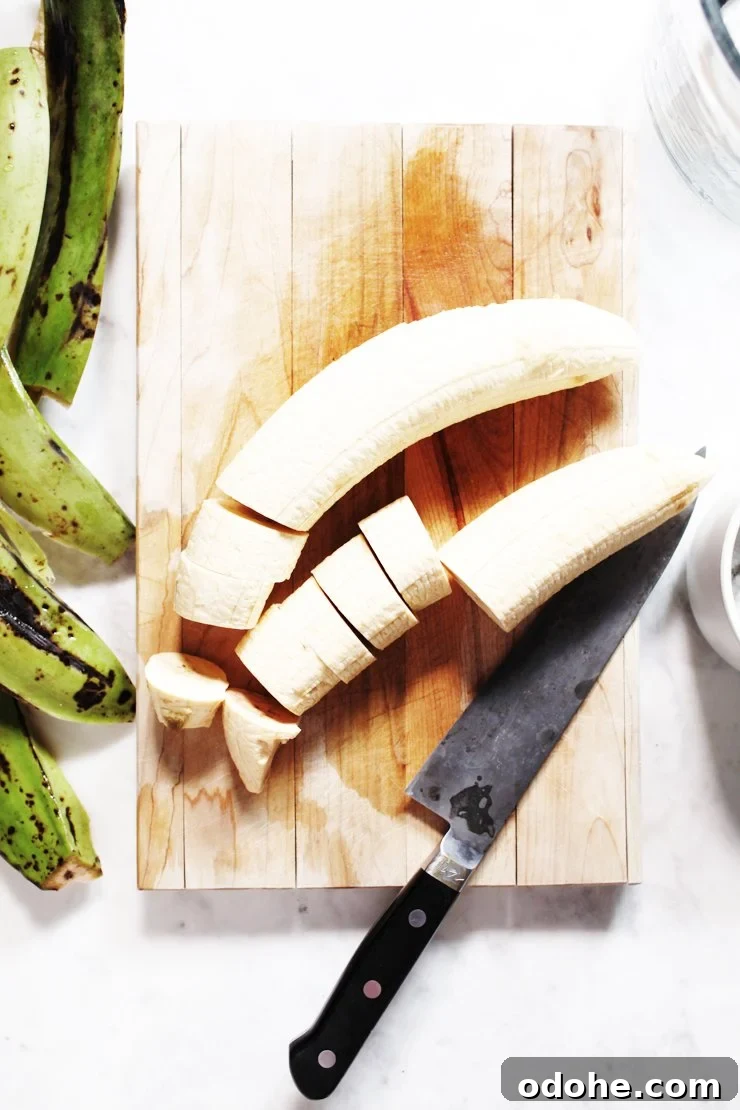
Peel green plantains under cold running water for easiest removal:
- Cut off both ends of the plantain.
- Make 3–4 shallow vertical slits in the skin.
- Under running water, pry the skin away with your thumb or a dull knife, then remove it to expose the flesh.
How to Make Dominican Tostones
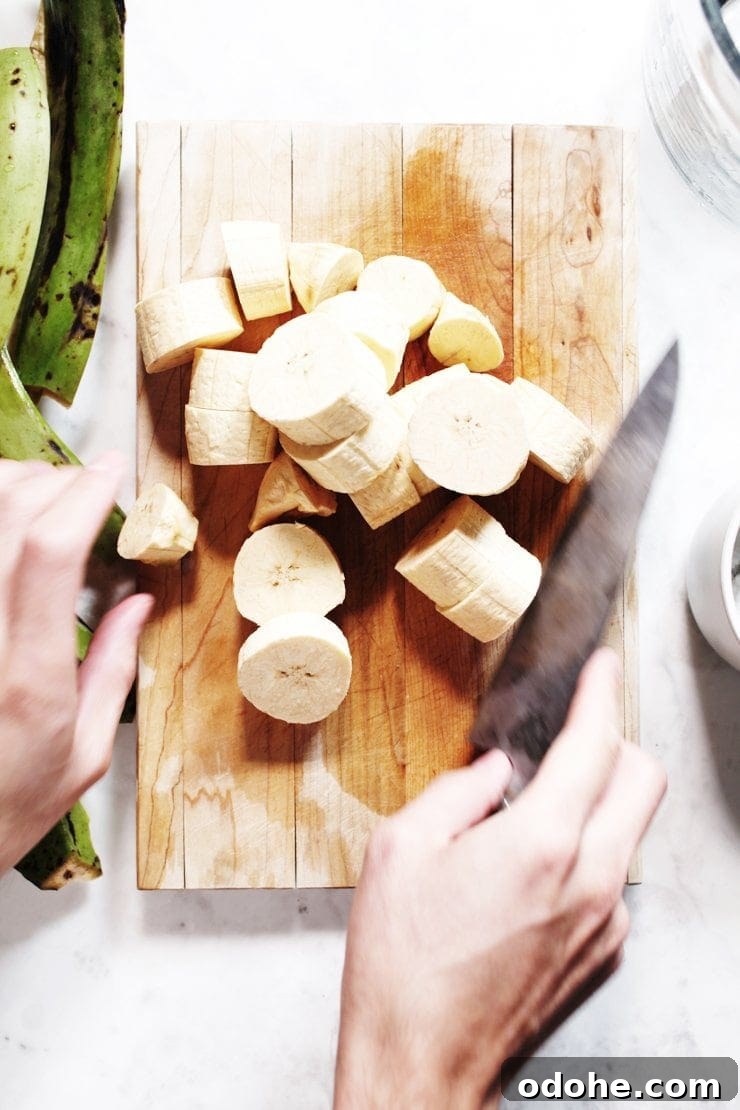
1. Start with firm, green plantains. Peel and cut into roughly 1-inch thick rounds.
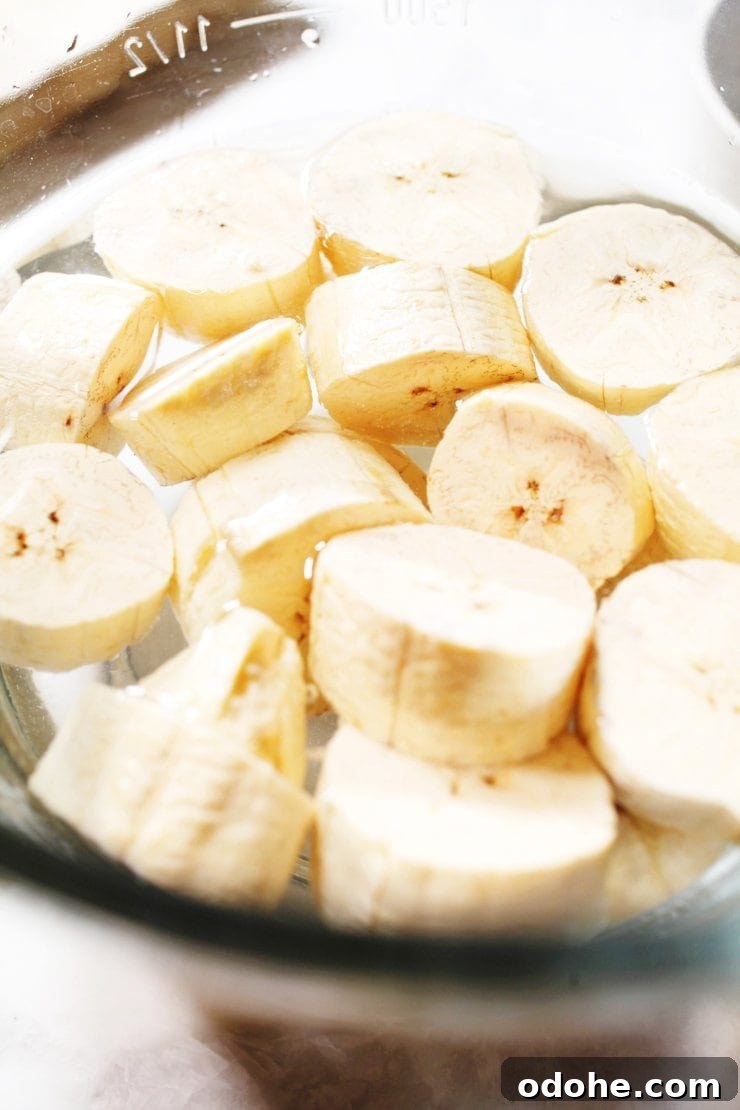
2. Soak the cut pieces in salted water for 10–30 minutes to season lightly and remove excess starch. Drain and pat dry.
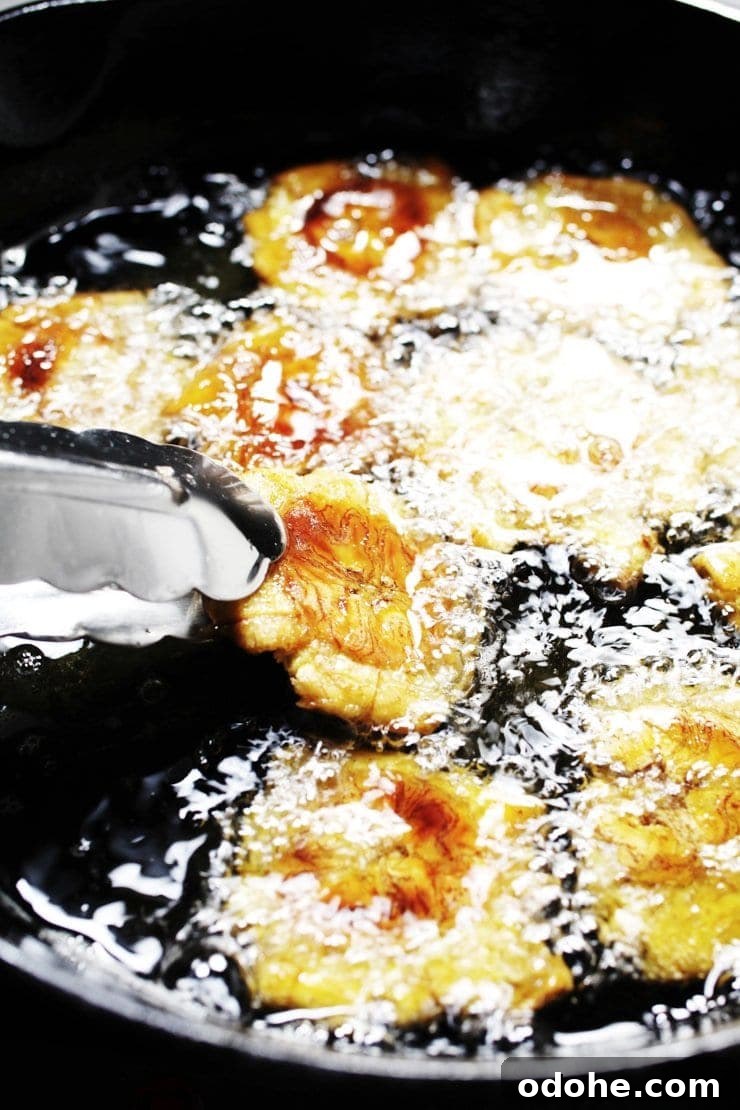
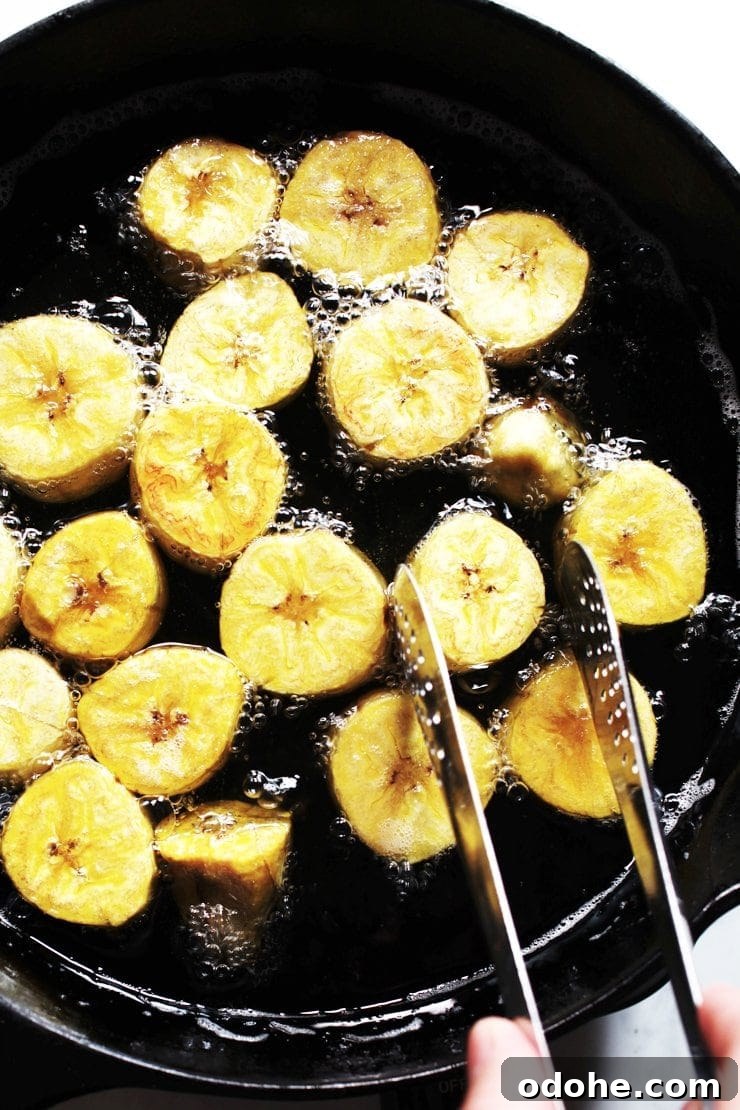
3. Heat oil to about 325ºF (160ºC) for the first fry. Fry in batches for about 3–4 minutes per side until lightly golden and tender. Drain on paper towels.
4. Place each fried piece between parchment and flatten evenly to about 1/4 inch thick using a tostonera, mug, plate, or mallet.
5. Increase the oil to 350–360ºF (180–190ºC). Fry the flattened discs again until deep golden and crisp. Season immediately with salt and serve hot.
How to Serve Tostones
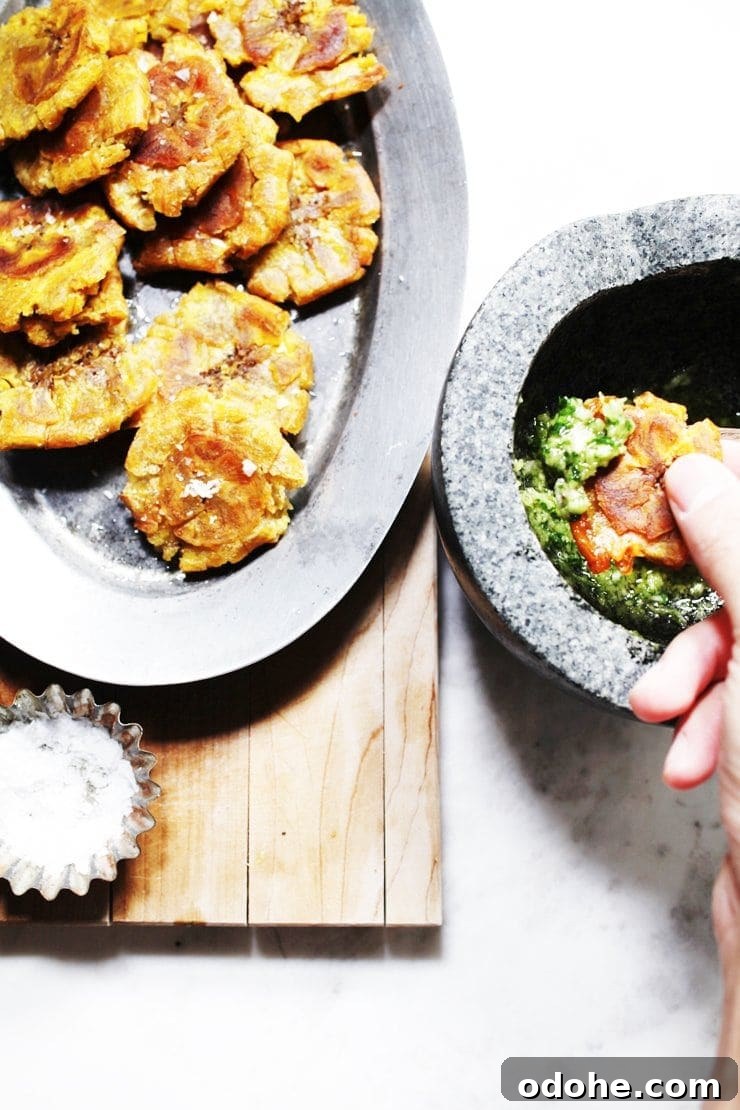
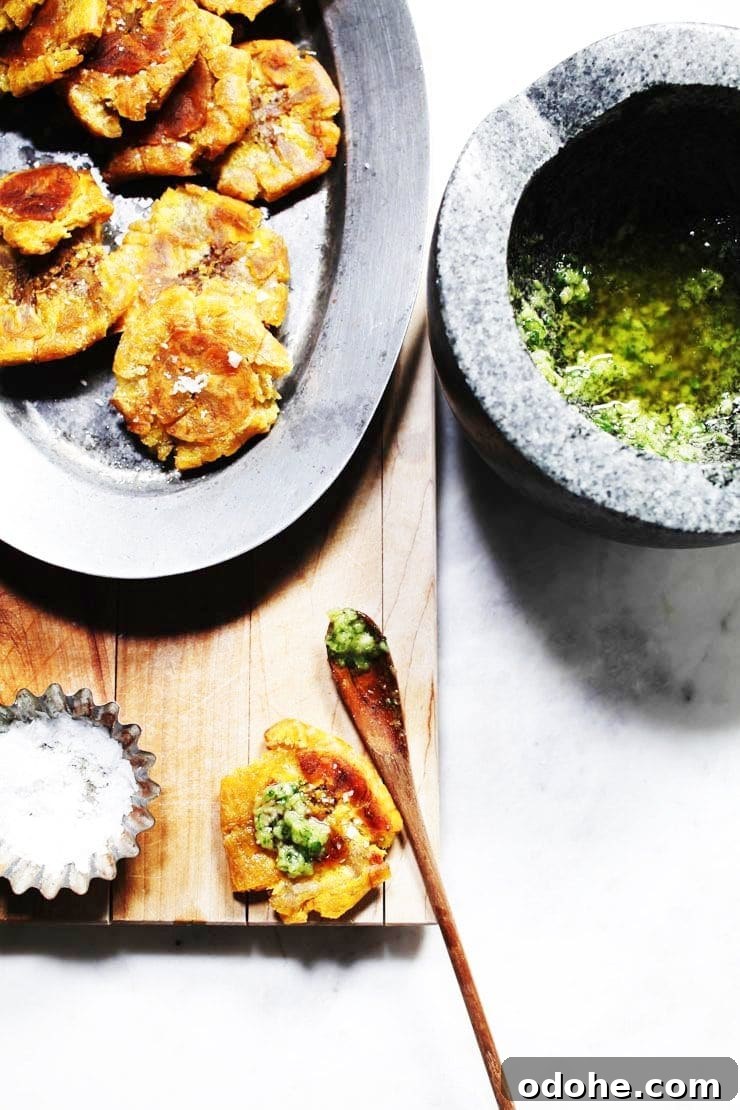
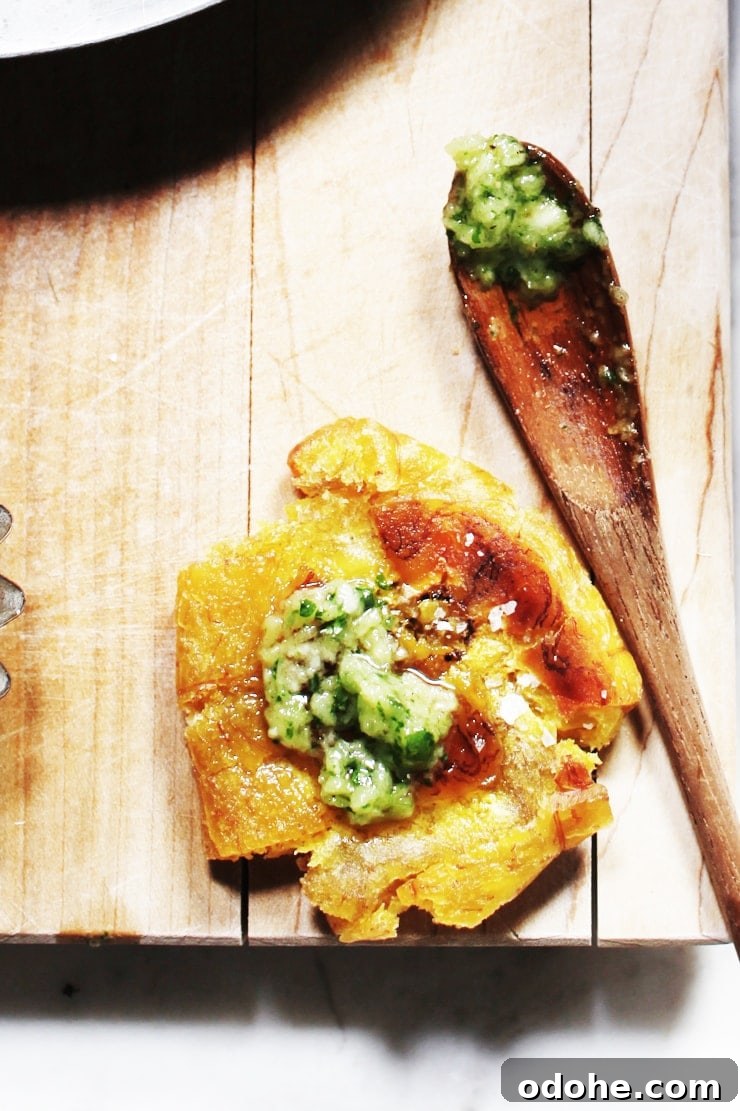
Tostones pair beautifully with salsa rosada (mayo-ketchup) or ajillo (garlic oil). Cilantro in the ajillo brightens the flavor, but both sauces are simple and quick to prepare. Serve as a snack, appetizer, or side with mains like stews, grilled meats, or seafood.
Can tostones be made ahead of time?
Yes—prepare them up to the point of the second fry. Recommended methods:
- Fry once and flatten: After the first fry and smashing, cool the pieces on a parchment-lined tray.
- Freeze for later: Freeze the single layer until solid, then transfer to freezer-safe bags. Fry from frozen—no thawing needed—for the second fry when ready.
- Refrigerate for same-day use: If using within 24 hours, refrigerate the flattened pieces covered and complete the second fry just before serving.
Other Delicious Recipes You Will Enjoy
- How to Fry an Egg Perfectly
- Roasted Tomato and Thyme Soup
- Very Best Chocolate Fudge Sauce Recipe
- What Fruits & Vegetables are in Season Right Now?
- Crispy Roast Potatoes Recipe
Tostones Recipe (Fried Green Plantains)
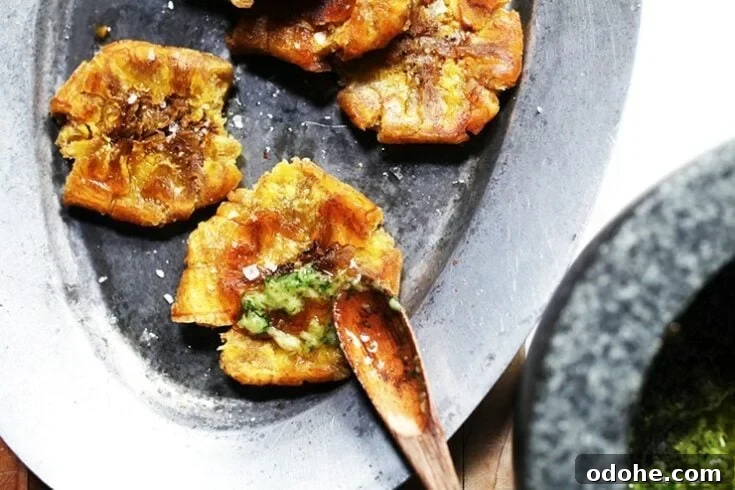
This authentic Dominican Tostones recipe uses about 1 cup (240–250 ml) of oil for shallow frying. Any neutral-tasting oil is fine. Use fully green, unripe plantains and soak cut pieces in salted water if you like—adding crushed garlic to the soak is optional for more flavor.
Tostones are traditionally served with ajillo, a garlic oil dip; adding fresh cilantro brightens it. Another classic dip is salsa rosada (mayo-ketchup) with a touch of grated garlic.
5 minutes
15 minutes
20 minutes
40 minutes
Ingredients
Tostones
- 2 green plantains (not bananas)
- 1 tablespoon / 15 g fine-grain sea salt
- 3 cups / 720 ml water
- About 1 cup / 240 ml sunflower oil or any neutral-tasting oil for frying
Ajillo with Cilantro
- 4 cloves garlic
- 1/2 teaspoon / 3 g fine-grain sea salt
- 1/4 cup / 8 g fresh cilantro (coriander), lightly packed
- 1/4 cup / 60 ml olive oil
Salsa Rosada (Mayo Ketchup)
- 1/2 cup / 150 g mayonnaise
- 1/2 cup / 150 g ketchup
- 1 clove garlic, finely grated
- Fine-grain sea salt, to taste
Instructions
- Slice the ends off the plantains. Make three vertical cuts in the skin, then peel under cold running water. Cut each plantain into 3/4–1-inch slices. Set aside.
- Mix the water and salt until dissolved. Soak the plantain rounds for 10–30 minutes, then drain and pat dry.
- Prepare the ajillo: pound garlic and salt with a mortar and pestle, add cilantro and mash to a paste, then stir in the olive oil. Alternatively, finely chop or process the ingredients and combine.
- Make the mayo-ketchup: combine ketchup, mayonnaise, and grated garlic. Chill until needed.
- Heat oil to about 325ºF (160ºC). Fry plantain rounds in batches for about 3–4 minutes per side until lightly golden and tender. Drain.
- Place each fried piece between parchment paper and flatten to roughly 1/4-inch thick using a tostonera, mug, plate, or mallet.
- Increase oil to 350–360ºF (180–190ºC). Fry the flattened discs until golden brown and crisp. Salt immediately after frying.
- Serve tostones hot with ajillo, cilantro ajillo, or salsa rosada.
Notes
Try finishing tostones with a squeeze of lime or a sprinkle of queso fresco for a tasty twist. Adjust garlic levels in the sauces to suit your preference.
Nutrition Information:
Yield:
18 Tostones
Serving Size:
1 Tostone
Amount Per Serving:
Calories: 58Total Fat: 3gSaturated Fat: 0gTrans Fat: 0gUnsaturated Fat: 3gCholesterol: 0mgSodium: 355mgCarbohydrates: 8gFiber: 1gSugar: 4gProtein: 0g
Tostones Recipe: Frequently Asked Questions (FAQs)
This FAQ addresses common questions about selecting, prepping, frying, and serving green plantains, using the techniques from this recipe to help you achieve consistent results.
The Plantains
A brief soak in salted water seasons them, slows browning, and reduces excess starch. Adding garlic to the soak is optional for extra flavor.
Use firm, fully green plantains with no yellowing. Yellowing indicates ripening and softness, unsuitable for tostones.
No—reserve yellow plantains for sweet maduros. Green plantains are required for tostones.
Cut off both ends, score 3–4 vertical slits in the skin, and peel under running cold water, lifting the skin with your thumb or a dull knife.
Cut into roughly 1-inch thick rounds so they cook evenly during the first fry and flatten neatly for the second fry.
Flatten into even discs about 1/4 inch thick—thin enough to crisp but not paper-thin. A tostonera, mug, or plate helps achieve uniform thickness.
Types of Oil for Frying
Choose a neutral, high-heat oil such as sunflower, canola, corn, grapeseed, peanut, or safflower. Avoid extra-virgin olive oil for frying.
Preparation
Salt immediately after the second fry while they’re hot so the seasoning adheres. Finishing salts add a pleasant crunch.
Yes. Best approach: first fry, flatten, cool completely, then refrigerate or freeze. Complete the second fry just before serving.
No—any flat, sturdy surface like a plate, mug, glass, or meat mallet works fine for pressing plantains.
Oxidation causes browning. Working under running water or soaking prevents discoloration.
Classic options include mayo-ketchup (salsa rosada), ajillo (garlic oil), or cilantro-ajillo for extra brightness.