If the weather outside turns cold and wet, it’s a good time to bring your grilling indoors. Moving classic grill dishes inside doesn’t mean you have to surrender flavor—what you need are the right tools and a few simple techniques. Smoking large cuts indoors is impractical and not recommended, but with a skillet, a thermometer, and a little know-how, you can enjoy steaks, burgers, and other favorites year-round. Below are practical tips, tool recommendations, and techniques I rely on to cook great “grilled” food inside.
To Grill Pan or Not to Grill Pan
Grill pans spark debate among home cooks. They create attractive grill marks and their raised ridges help fat drain away from the meat, which can make for a leaner result. Still, I don’t reach for a grill pan often because I prioritize a full, even sear over surface markings. Much of the flavor comes from a deep sear, so I’ll trade grill marks for better taste any day.
If you prefer the look and slightly healthier profile of a grill pan, options abound. A nonstick grill pan uses minimal oil and makes cleanup simple. For maximal heat retention, crisp sear lines, and long-lasting durability, choose a cast iron grill pan.
What to Cook
Not every outdoor favorite translates perfectly to indoor cooking. Long, low-and-slow items—ribs, whole shoulder roasts, and other barbecue staples—can be finished in an oven or broiler, but you’ll lose much of the smoky character that defines those dishes. For truly hands-off winter cooking, a slow cooker is an excellent choice.
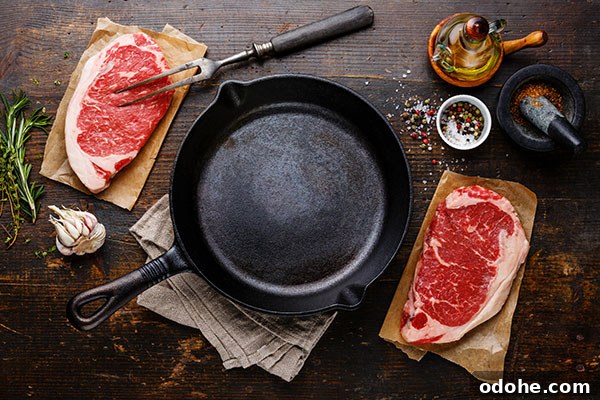
For indoor work, focus on recipes that cook hot and fast. Cast iron pans are an especially smart investment for this style: they retain heat well and generate a superior crust. Burgers and steaks develop much better texture and flavor when cooked on heavy-duty cast iron.
Steaks in particular shine with cast iron. I often use the reverse-sear method: start the steak in a low oven (about 225°F) until it’s just below your target internal temperature, then finish it in a screaming-hot cast iron pan with butter and rosemary for a rich sear. Use a reliable meat thermometer while the steak is in the oven to avoid overcooking or undercooking. You’ll miss a bit of the grill’s smoke, but this approach yields a perfectly cooked interior and a delicious crust.
Techniques to Try
Sous vide is a winter-friendly technique worth exploring. A sous vide setup lets you cook meat to an exact internal temperature in a water bath, then finish with a hot pan sear to add color and flavor. The result is consistently tender, evenly cooked meat—different from live-fire grilling, but reliably excellent. For an impressive indoor dish, try sous-vide veal chops or a similarly prized cut, and finish with a quick pan sear.
Many outdoor grilling methods can be adapted for the kitchen with a bit of creativity: high heat in a heavy pan, careful temperature control, and thoughtful finishing all go a long way. If you try any of these techniques—or have your own indoor grilling hacks—share your results and keep the cooking fun going through the colder months.