
How to identify an unripe orange? The orange is a widely loved fruit, especially in states like California where groves are common. Knowing how to spot an unripe orange helps you pick fruit that tastes better and stores longer.
Table of Contents
How to Identify an Unripe Orange
To tell if an orange is unripe, learn the harvesting seasons for each variety and inspect the fruit for signs like bruising and a firm stem connection. Buy one or two to test before purchasing a larger quantity: unripe oranges often lack a citrus aroma and feel hard.

Orange Consumption in the US
Oranges are a staple in American diets. California produces a large share of the country’s oranges, and per-capita consumption of fresh citrus (including oranges) is significant. People consume oranges both fresh and processed into juices, jams, and other products.
Fresh-squeezed juice and store-bought varieties both contribute to overall consumption. Choosing ripe fruit improves flavor whether you eat them whole or use them for juice.
How Oranges Ripen
Oranges do not continue to ripen significantly after harvesting the way some fruits do. While ethylene-producing fruits like bananas can speed ripening, citrus generally needs to be picked at the right time to be sweetest and juiciest.
Color alone is not a reliable indicator of ripeness. Oranges can be harvested green and later develop orange color during storage or transit. In some cases the peel’s color can be influenced by temperature changes or even cosmetic treatments, so a bright orange exterior does not guarantee a ripe interior.
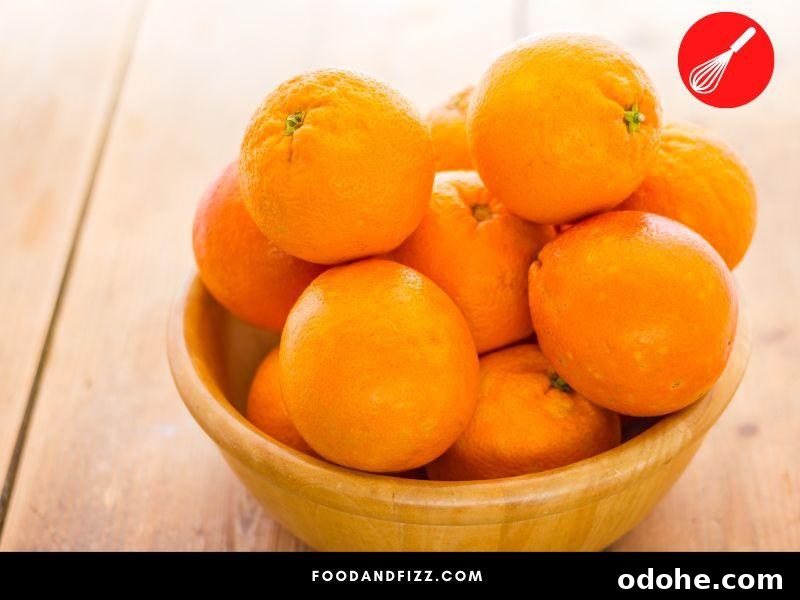
Because oranges lose flavor during transport and storage, selecting fruit based on harvest timing and condition is more effective than judging by color. Understanding the season and variety gives the best chance of finding ripe fruit.
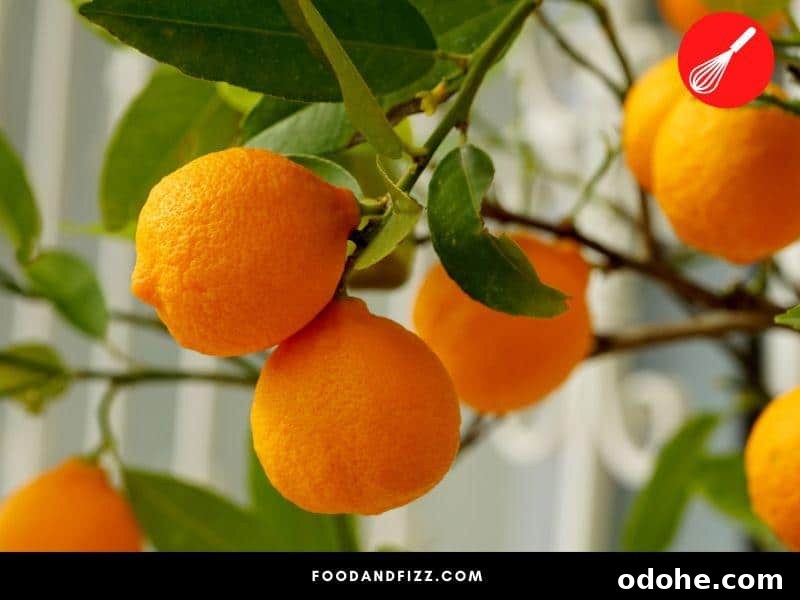
3 Ways to Identify an Unripe Orange
1. Know the picking seasons
Different orange varieties have distinct harvest windows. Common types like Valencias, Mandarins, and Navels are typically harvested from mid-spring through late spring depending on the region. Specialty varieties such as blood oranges or certain hybrids have other seasons, often spanning winter into spring.
Knowing these seasons helps you judge if fruit in the market was likely harvested at the right time. If oranges appear on shelves well before their usual harvest window, they were probably picked early and may be under-ripe.
2. Look for bruising
Oranges picked too early—especially thin-skinned varieties—often bruise where they were twisted or pulled from the branch. Bruising is a strong sign the fruit was harvested prematurely. Thicker-skinned types bruise less visibly, but damage can still indicate early picking.
Do not assume bruising is from rough handling alone; frequent bruises, especially near the stem, usually point to early harvest and lower internal quality.
3. Cut an orange open
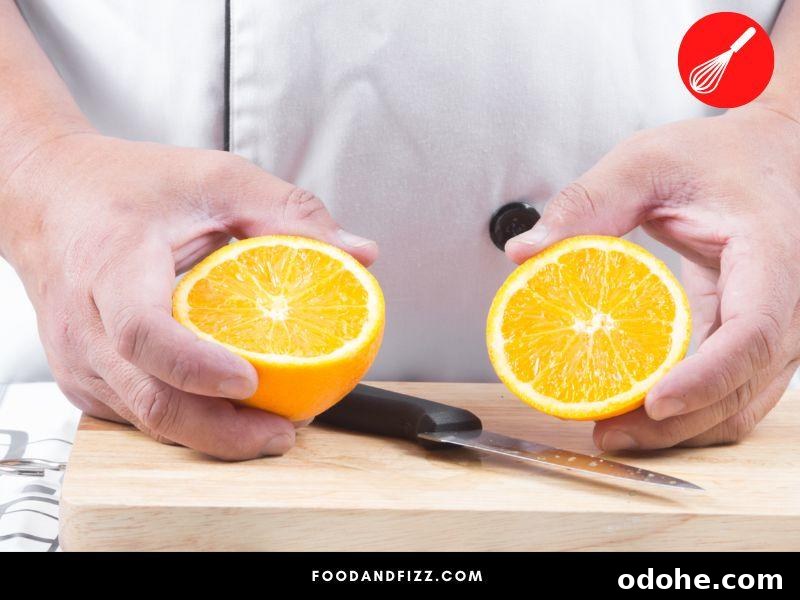
If you can, buy one or two oranges to test before committing to a larger purchase. Cut one open and evaluate aroma, texture, and taste. A ripe orange should have a fresh citrus scent, juicy flesh, and a balanced sweet-tart flavor. Flesh should be firm but not hard.
Bitterness or a lack of sweetness usually means the fruit was picked before fully ripening. Since oranges don’t sweeten much after harvest, an unripe orange will remain underwhelming even after storage.
Conclusion to How to Identify an Unripe Orange
Color is an unreliable guide to ripeness, so focus on variety-specific harvest seasons, signs of bruising, and sampling fruit when possible. Buying a few at a time reduces waste for small households, and testing one or two gives confidence before purchasing more.
If you have fruit that won’t be used within a week or two, consider squeezing it into juice to preserve nutrients and avoid waste.
Frequently Asked Questions to How to Identify an Unripe Orange
How Can I Tell if My Oranges Went Bad?
Mold on the peel indicates spoilage. Unlike some firm fruits, mold on an orange often penetrates quickly, so cutting away the surface mold isn’t safe. Moldy oranges can become dry, bitter, and hard inside.
How Long Can I Keep Oranges Stored Before I Use Them?
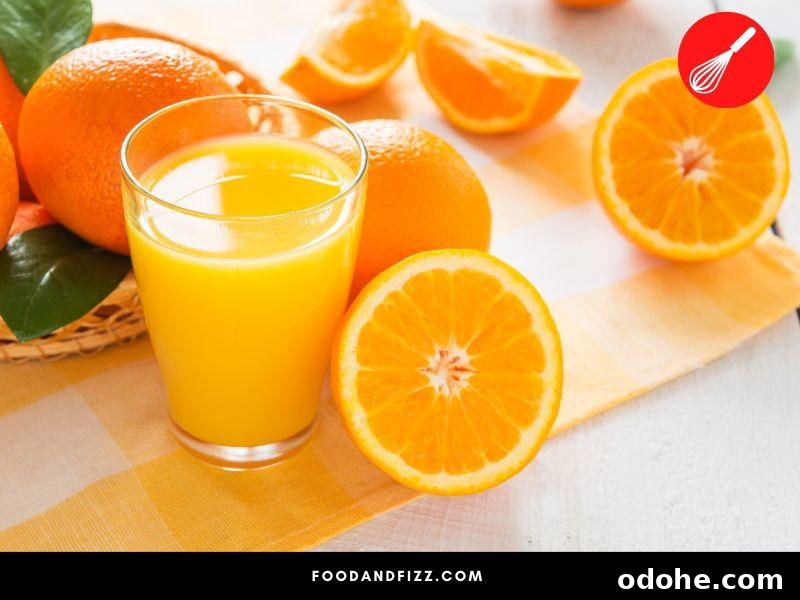
Oranges have protective skins and can last for weeks in proper conditions. Refrigeration slows quality loss, but using them sooner preserves flavor. If you can’t use them quickly, make fresh juice to retain nutrients and avoid waste.
My Oranges Seem Unripe As They Are Not Sweet. Can I Use Sugar?
If the fruit tastes bland, many people sweeten orange segments or juice with honey or a small amount of sugar. Check commercial juices and concentrates for added sugars if you prefer pure, unsweetened juice.