Inside: A reflection on how our modern rush-to-finish mindset costs us, and the quiet value of returning to “the hard way” simply because it can be rewarding.
When we lived in the old house on this property, we had a dishwasher—until a rodent chewed through a water tube or wire and our appliance became nothing more than a built-in dish drying rack.
Suddenly, a task that had felt effortless turned into a production. I found myself weighing whether each spoon was worth washing by hand. I bought paper plates for the kids and considered disposable coffee cups, but mostly I rinsed my mug and, at times, ate my cereal from it to avoid another dish.
Over time, though, I realized I did not hate hand-washing dishes as much as I had feared. I began to appreciate the smell of dish soap and the warmth of the water. I liked reaching for a clean towel to dry them and putting everything away instead of leaving a pile in the dishwasher to be unloaded later. The dishes looked cleaner and shinier, and there was satisfaction in an empty sink and a wiped-down counter. When a task becomes part of your routine, it stops feeling like drudgery.
I had learned to enjoy the process.
Do our modern appliances and gadgets really help us?
Many domestic tasks are framed as terrible chores that require either hired help or a machine. Sweeping and shaking out rugs gave way to vacuuming, and then to robot vacuums or cleaning services. The vacuum cleaner was supposed to save time, yet cleaning standards rose and people installed more carpeting, which meant more vacuuming. Instead of easing the burden, the machine sometimes changed expectations and increased the workload.
I vacuum my floors now and rarely sweep. I’ve never shaken out an area rug. Still, I wonder whether some of those older practices were really so bad. Maybe taking a rug outside on a sunny afternoon, shaking it out and letting it air made the day feel different. Maybe it was an opportunity to rearrange furniture or have a laugh with the kids. I don’t know for sure, but it’s worth considering.
More traditional methods of doing things were definitely more work
Heating a home is a clear example. Many people rely on electricity, oil, or gas, but we heat almost exclusively with wood. It can feel all-consuming. This weekend we’ll visit my parents and come back with a trailer full of oak from a tree they took down.
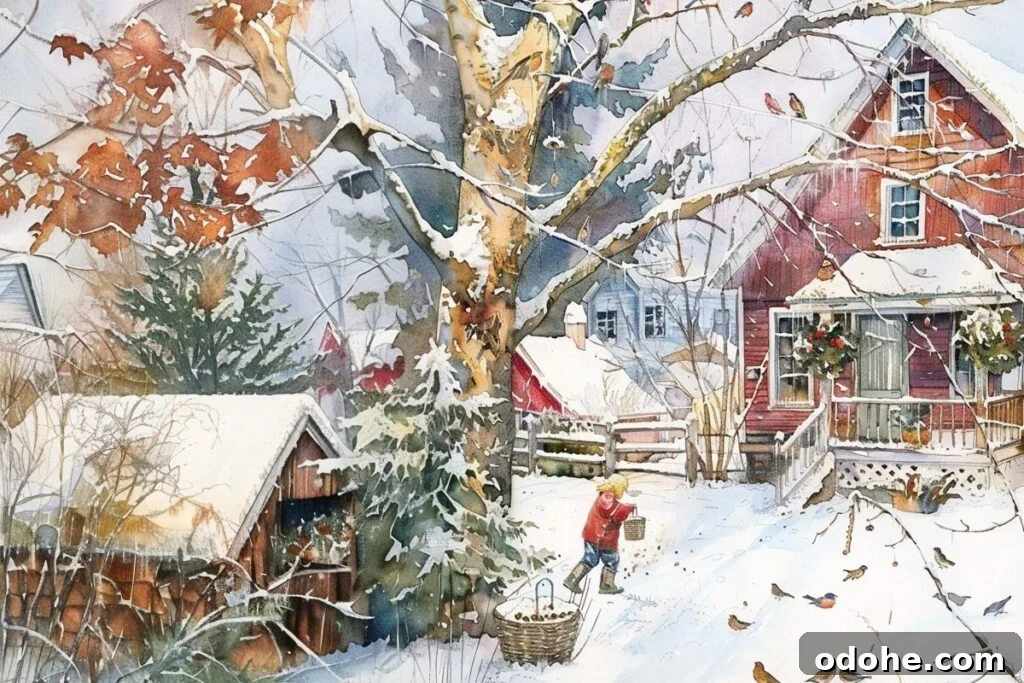
We’re always gathering more wood even when we have plenty. Trees can’t be cut forever; the wood must be split, dried, and stacked. As winter nears, some logs need to be re-split into kindling. We collect newspaper, save sticks all year to dry in the old house, and prepare piles of fuel—often long before the first fire is lit or the stove is cleaned out.
And yet that work could be its own reward.
If someone offered to heat my home to 75 degrees free of effort, I would decline. It’s not only the warmth and ambiance I value: I enjoy waking on a cold, dark morning to set the logs just so, watching kindling catch and adding wood bit by bit. I take pleasure in polishing the stove glass after scooping out cold ashes and in restarting an afternoon fire when the light fades. Even splitting wood can be satisfying—my husband and a friend spend spring days helping each other split and stack, turning a chore into shared time.
Does this mean all work at home is fun?
No. Some tasks remain tedious. But instead of rushing through them for the sake of efficiency, consider pausing to enjoy the process.
Society often values paid work above all; earning money is framed as the ultimate reward, regardless of the nature of the work. Hobbies—usually costly and unproductive—are socially accepted because they’re done for pleasure. Domestic tasks, however, are frequently dismissed as mere chores that should be outsourced to machines so you can pursue paid work or leisure.
No. Start to see necessary tasks as opportunities to do things well and with care. Doing them thoughtfully can bring genuine satisfaction. Don’t accept the idea that housework and pleasure are separate. The labor itself can be part of the reward.
So let your small tasks be enjoyable instead of dreading them or rushing them.
Why buy a pre-wrapped gift when you can choose the paper and ribbon, wrap it neatly, and enjoy the finished result? Why run the air conditioning constantly when you can open windows at night, close them during the heat of day, draw curtains against the sun, and savor the fresh air after a storm cools things off? Enjoy hanging laundry on a sunny morning, shaping bread dough with your hands, or restoring the glossy surface of well-cared-for cast iron.
If you spend significant time at home, these routines form much of your life. Don’t rush past them; instead learn to appreciate the small satisfactions they offer.
Enjoy the process.
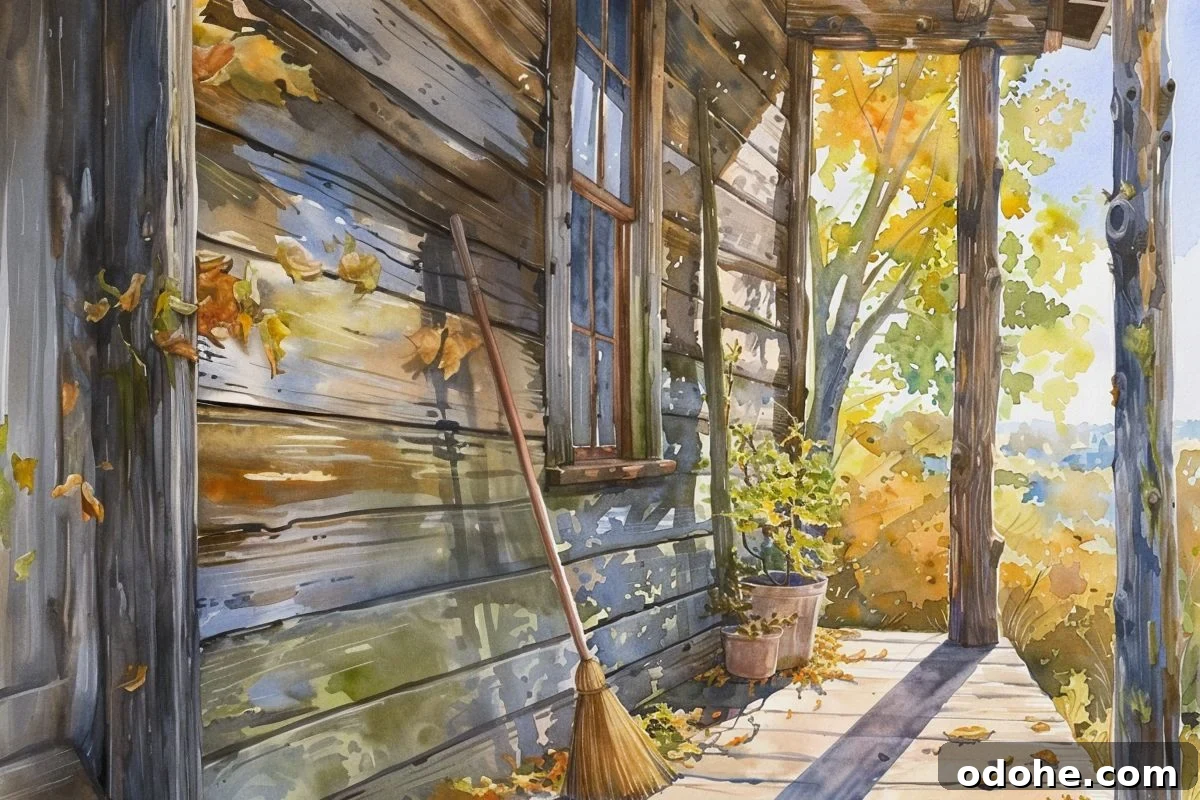
I just came back from getting the mail down a long gravel road. My neighbor was across the street, sweeping his driveway. I offered a silent neighbor wave while thinking he was a little overzealous—what difference would a few leaves make? Couldn’t he have used a leaf blower?
He didn’t wave back. He stood in the shade, admiring his work.
I understood then: he wasn’t sweeping for anyone else. He was enjoying the process.