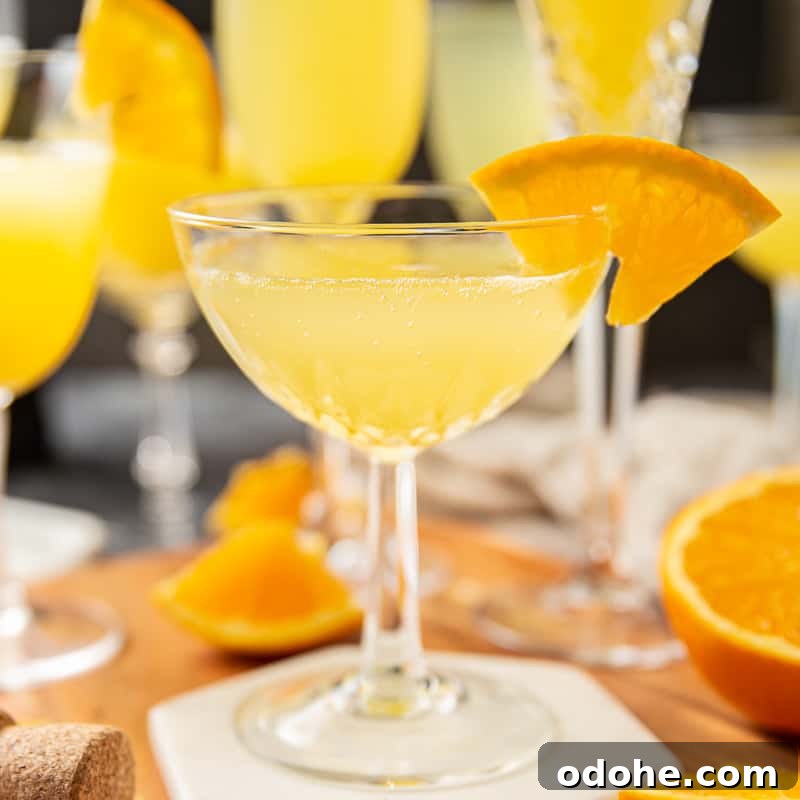
Ahhh, mimosas — the timeless sparkling cocktail that elevates any brunch. Easy to make and endlessly enjoyable, the mimosa is a morning staple from casual weekend gatherings to celebratory brunches.
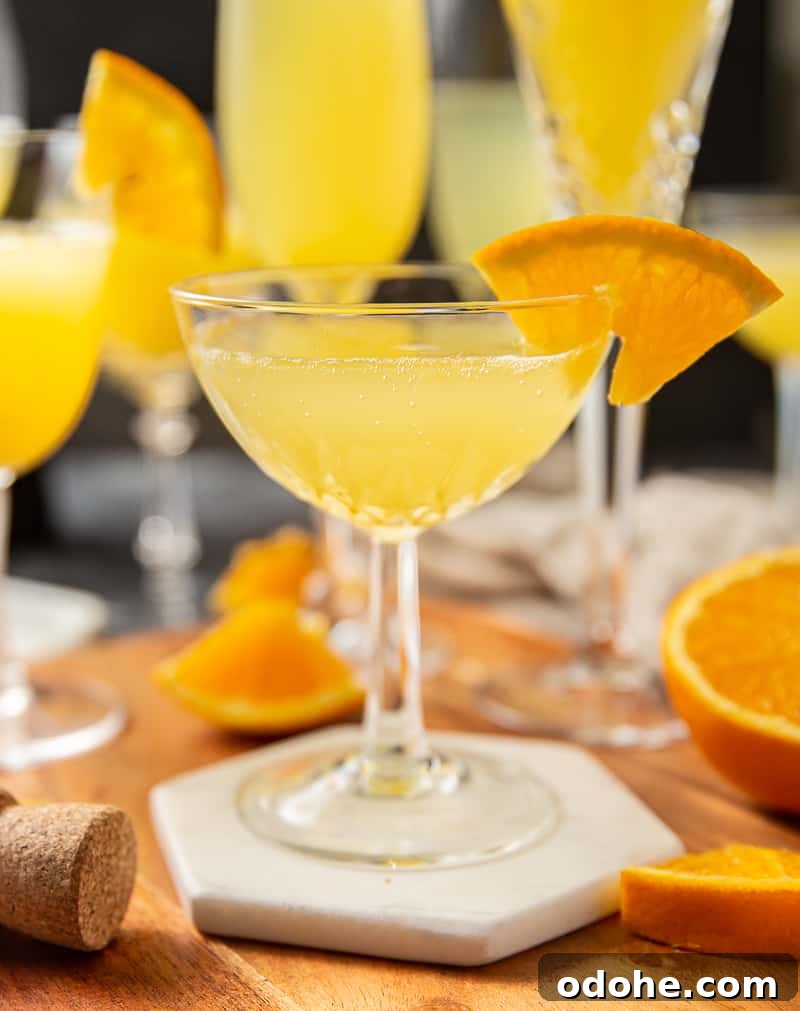
But mimosas can go wrong if you don’t get a few basics right. Below is a straightforward guide to choosing ingredients, mixing the drink, and avoiding common mistakes so your mimosas turn out perfectly every time.
What is the best sparkling wine for mimosas?
Contrary to what the name might suggest, you don’t need to use true Champagne for a great mimosa. In fact, prosecco and cava are often better choices. They deliver lively bubbles and excellent value, and the fruit in orange juice quickly masks delicate flavors that make fine Champagne special.
Pick a dry style such as Brut. Avoid wines labeled “Extra Dry” if you’re aiming for balance, because “Extra Dry” can be sweeter than you expect. Orange juice already brings sweetness; combining it with a sugar-forward sparkling wine can make the drink cloying.
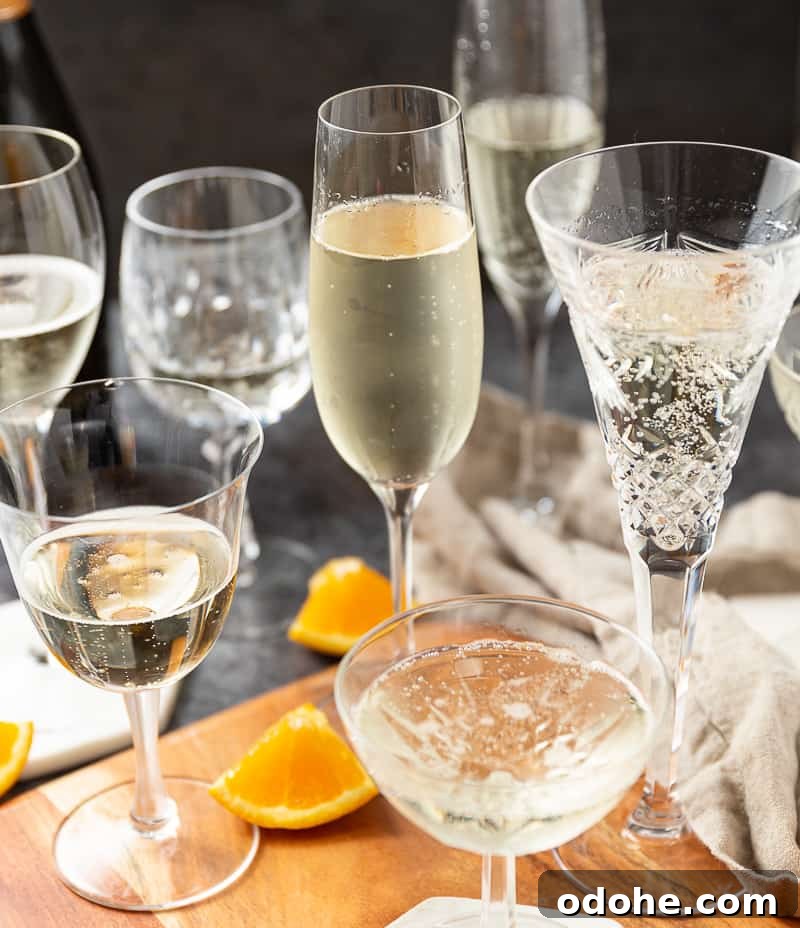
Affordable, dry bubblies are ideal for everyday mimosas. Some approachable options include:
- Segura Viudas Brut (Cava)
- Rondel Brut (Cava)
- Freixenet (Cava)
- Ruffino (Prosecco)
- La Vostra (Prosecco)
These offer good bubbles and dryness without overpowering your juice, making them great choices for gatherings or casual sipping.
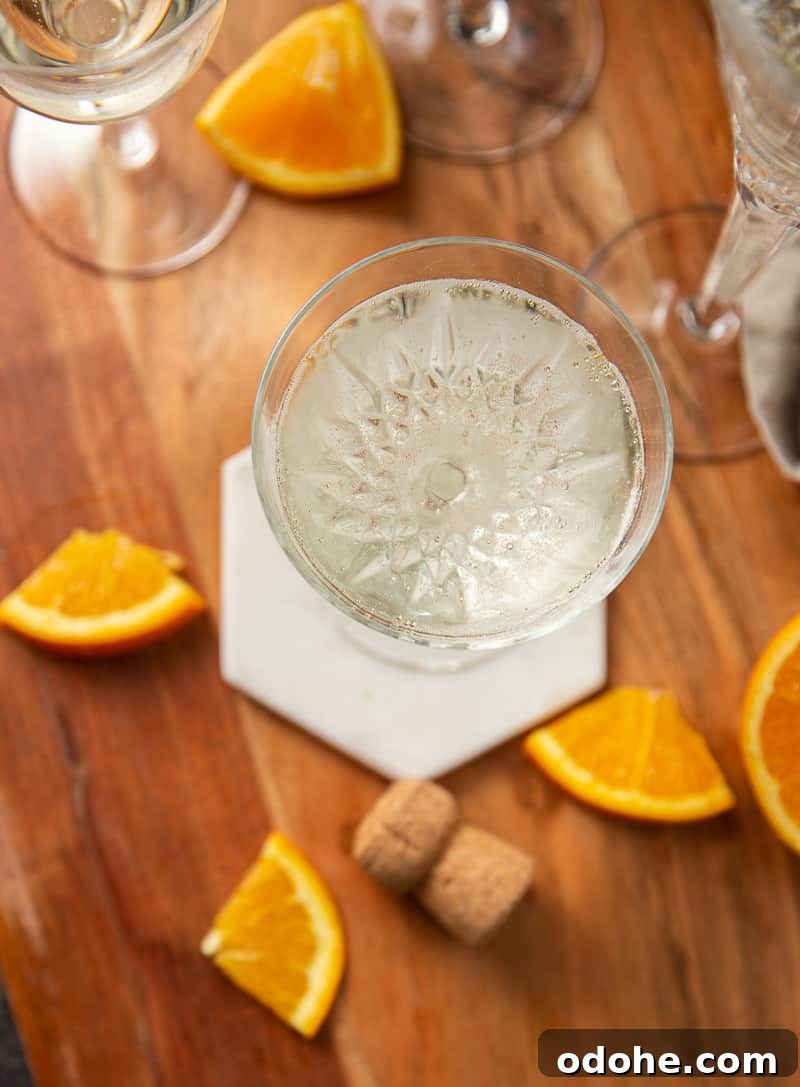
Ingredients: juice and variations
A traditional mimosa is simply sparkling wine plus citrus juice. Orange juice is the classic, but grapefruit juice is a bright alternative, and peach purée or juice turns a mimosa into a bellini-style variation. Feel free to experiment with blood orange, tangerine, or a mix of citrus for seasonal twists.
Quality of juice matters. Freshly squeezed juice yields the best flavor and aroma, but for larger events or convenience, high-quality store-bought juices are perfectly acceptable. If using premade juice, choose minimally processed brands with natural flavor and no unnecessary additives.
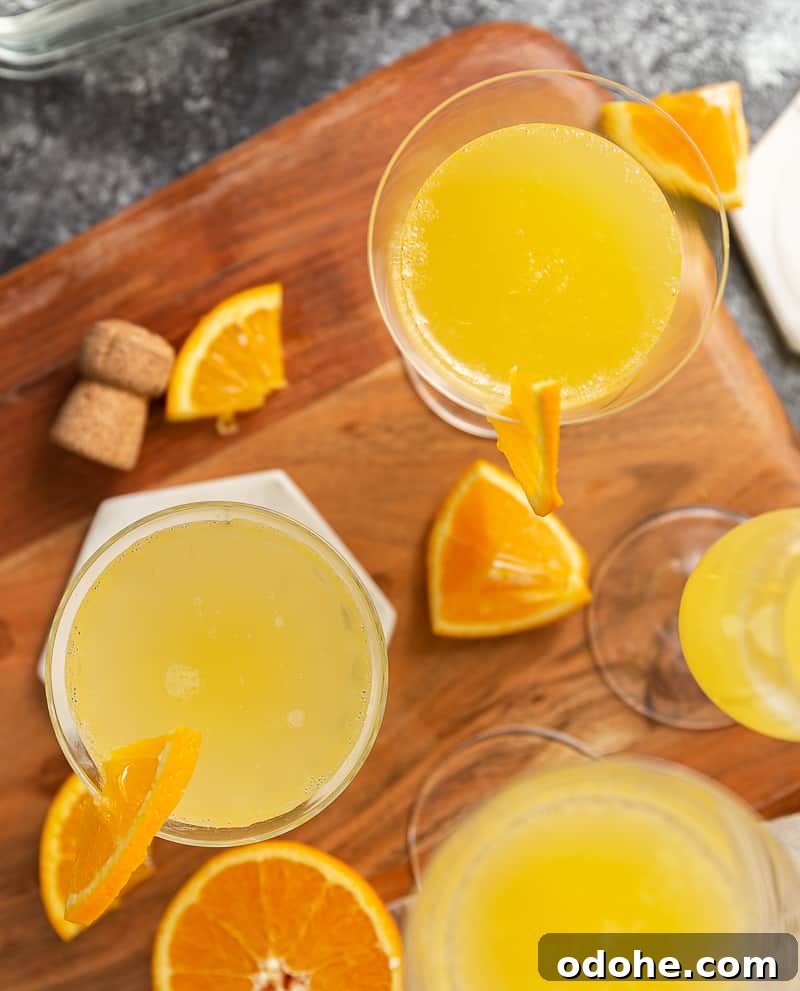
Best premade orange juices for mimosas
If you aren’t squeezing fresh, these are reliable store-bought options known for bright, natural orange flavor:
- Natalie’s (Orchard Island Juice Company) — also makes a solid grapefruit juice
- Indian River Select Valencia Orange Juice
- Trader Joe’s Fresh Squeezed Orange Juice
Mimosa ratio and serving tips
The classic ratio is 1:1 — equal parts juice and sparkling wine — but that can be quite juicy and sweet. For a lighter, more refreshing sip that highlights the bubbles, try about 1 ounce of juice to 4 ounces of chilled sparkling wine (roughly 1:4). Adjust to taste: more juice for sweetness and fruit intensity, less for a drier, bubblier drink.
Practical serving tips:
- Chill both the sparkling wine and juice before mixing.
- Pour sparkling wine into the glass first, then add the juice slowly to avoid overflow.
- Use a tall champagne flute to preserve bubbles and present the drink nicely.
- Garnish with a thin citrus slice, berries, or a fresh herb sprig for a pretty finishing touch when desired.
Enjoy experimenting with different sparkling wines and juices to find the mimosa combination you love. Simple, elegant, and endlessly adaptable, the mimosa is a brunch essential that rewards a little attention to ingredients and technique.
📖 Recipe
How to Make a Mimosa
Ingredients
- 4 ounces chilled prosecco or cava (see recommendations above)
- 1 ounce good quality orange juice
Equipment
- Champagne glass
Instructions
- Pour the chilled sparkling wine into a champagne glass.
- Carefully top with orange juice. Pour slowly to prevent the glass from bubbling over.