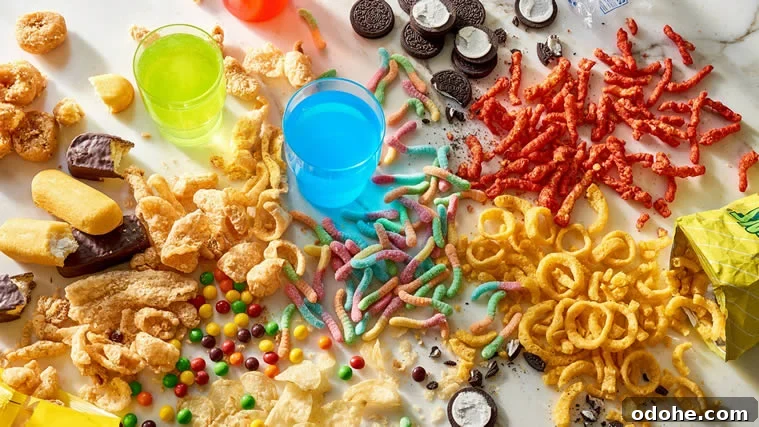
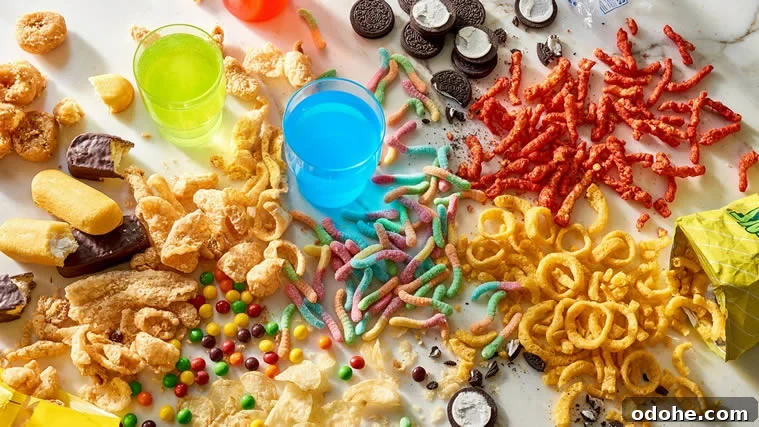
Why Do I Crave Sugar?
Cravings for sweets often feel like the body demanding sugar, but the signal is usually more complex. Frequently what your body really needs are nutrients, hydration, or a quick source of energy, and the brain translates that need into a desire for an immediate, sweet fix.
Rather than reaching for refined sugar, choose nutrient-dense or fiber-rich options that satisfy taste and slow digestion. Half an avocado, a piece of fruit, plain yogurt with berries, or a small handful of nuts can give your mouth the reward it wants while delivering vitamins, minerals, healthy fats, and fiber instead of empty sugar.
Guide to Smarter Snacking
Eating small, regular meals and snacks can support steady energy and prevent overeating, but modern snack marketing has blurred the line between a satisfying mini-meal and an empty packaged product. Many packaged snacks leave you still hungry and more tired. A better snacking approach focuses on planning and whole foods to keep you satisfied between meals.
Below are practical tips for designing snacks that curb cravings, deliver nutrition, and support energy levels.
1. Drink a glass of water or herbal tea before your snack
Thirst is easily mistaken for hunger. Even mild dehydration can lower your energy and increase cravings for high-calorie, low-nutrient foods. Drinking a glass of water or unsweetened herbal tea before eating gives you a moment to check in with your body and often reduces the urge to snack. Research shows that hydrating before a meal can help reduce calorie intake and support modest weight loss over time.
2. Make fruits and vegetables the default snack
The simplest way to improve snacking is to reframe what a snack is. Instead of reaching for processed “snack foods,” keep fruit and vegetables readily available: apples, berries, carrot or cucumber sticks, a cup of vegetable soup, or a small salad. If you want more substance, pair produce with a protein or healthy fat. Limit highly processed snacks at home so you naturally opt for whole-food choices.
3. Always pair produce with protein or healthy fat when needed
Start with a base of vegetables or fruit, then decide how much extra fuel you need by asking:
- How hungry am I right now?
- When is my next meal?
- Do I need energy for activity before my next meal?
If the next meal is imminent and hunger is mild, a piece of fruit or raw veggies may be enough. If you need sustained energy or will be active, add a lean protein or healthy fat. Good combinations include:
- Hard-boiled egg + fruit
- Nut butter + apple slices or banana
- Hummus or guacamole + vegetable sticks
- Roasted vegetables + a spoonful of tahini or yogurt
4. Make snacks at home
Store-bought muffins, bars, chips, and sweetened yogurts are convenient but often high in added sugar and salt. Try homemade versions where you control the ingredients and sweetness level. Over time, your taste may adapt, and you’ll find homemade snacks less cloying and more satisfying.
Simple swaps include replacing candy with almond butter or dark-chocolate-dipped strawberries, and choosing homemade muffins made with whole ingredients instead of heavily sweetened packaged ones.
No-Sugar Carrot Cake Muffins
These no-sugar carrot cake muffins are moist and satisfying—designed to curb sugar cravings using whole ingredients. This recipe makes 8 regular muffins or 16 mini muffins.

No-Sugar Carrot Cake Muffins
Ingredients
- 2 cups rolled oats
- 1 teaspoon baking powder
- 2 teaspoons cinnamon (optional)
- 1/4 teaspoon nutmeg (optional)
- 1/4 teaspoon kosher salt
- 1 banana, mashed
- 1/2 cup mashed roasted sweet potato
- 1 egg
- 2 carrots, grated
- 2 teaspoons vanilla (optional)
- 1 cup almond milk
- 1/4 cup chopped pepitas
- 1/4 cup raisins
Instructions
- Preheat the oven to 350°F (175°C) and grease a muffin pan.
- Mix all ingredients in a bowl and let the batter sit a few minutes to thicken.
- Scoop into the muffin pan and bake for about 20 minutes. Allow muffins to cool for 5 minutes before removing from the pan.
Nutrition (per muffin)
Calories: 145 kcal, Carbohydrates: 24 g, Protein: 4 g, Fat: 3 g, Cholesterol: 20 mg, Sodium: 139 mg, Potassium: 314 mg, Fiber: 3 g, Sugar: 3 g, Vitamin A: 3,765 IU, Vitamin C: 2.6 mg, Calcium: 87 mg, Iron: 1.5 mg.