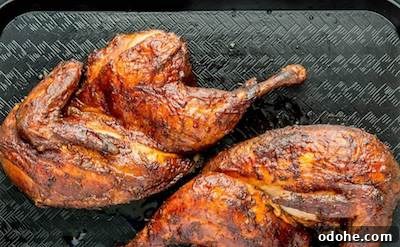
Chicken presents several challenges when cooking. Its uneven shape and large cavity make even cooking difficult. The lean breast dries out quickly, while the fattier thighs and legs tolerate more heat; wing tips can burn unless shielded or wrapped.
Target internal temperatures: 165°F for the breast, and 175°F for thighs and legs. The USDA recommends 165°F as the safe minimum for poultry overall. Thighs and legs contain more blood vessels and fat, so they take longer to reach a safe temperature, while lean breasts can dry out if overcooked. Use the recommended 165°F for breasts to preserve juiciness.
Safety When Smoking Chicken
Cook chicken to 165°F to eliminate harmful bacteria. Bacteria that cause foodborne illness grow between 40°F and 140°F, so cooking at safe temperatures is critical. The most reliable way to confirm doneness is a food thermometer: insert the probe into the thickest part of the meat without touching bone. Ensure the internal temperature reaches at least 165°F before serving.
Safe Internal Meat Temperatures According to the United States Department of Agriculture (USDA)
| Meat | Internal Temperature (°F) | Internal Temperature (°C) |
|---|---|---|
| Beef, veal, and lamb (steaks, roasts, and chops) | 145 | 63 |
| Ground beef, veal, lamb | 160 | 71 |
| Pork (chops, roasts) | 145 | 63 |
| Ground pork | 160 | 71 |
| Ham, fresh or smoked | 145 | 63 |
| Fully cooked ham | 140 | 60 |
| Bacon | 145 | 63 |
| Turkey, whole | 165 | 74 |
| Turkey, breasts | 165 | 74 |
| Turkey, ground | 165 | 74 |
| Poultry (chicken and other birds) | 165 | 74 |
Whole Smoked Chicken
Smoking a whole chicken typically takes 1.5 to 2 hours at 300°F. At higher temps around 375°F, a whole bird can finish in about an hour. Spatchcocking speeds and evens cooking because the bird lays flat and exposes more surface area.
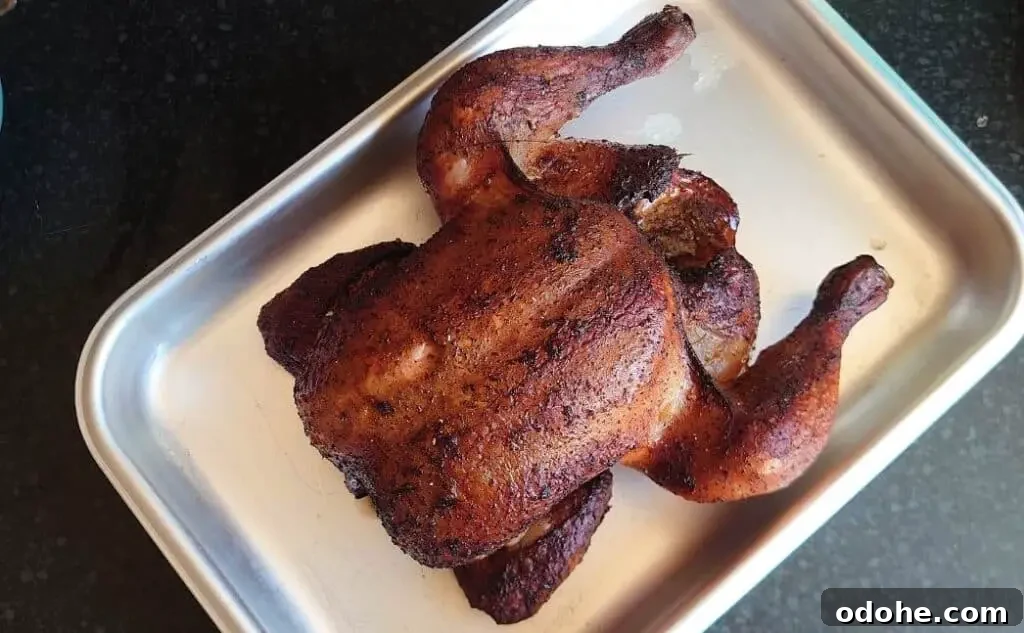
Done Temp For Chicken Pieces
Probe thighs and legs to 175°F and wings to 165°F. Chicken pieces smoke relatively quickly: at 300°F expect about 45 minutes per side; at 350–375°F, plan roughly 30 minutes per side with a total cook time around an hour. Always verify with a thermometer.
The Best Temperature for Smoking Chicken
For consistent results, smoke chicken around 300°F and keep the smoker above 275°F. Temperatures below this range can leave skin soft and rubbery. The maximum recommended smoking temperature for chicken is about 375°F.
How To Check Chicken For Done Temperature
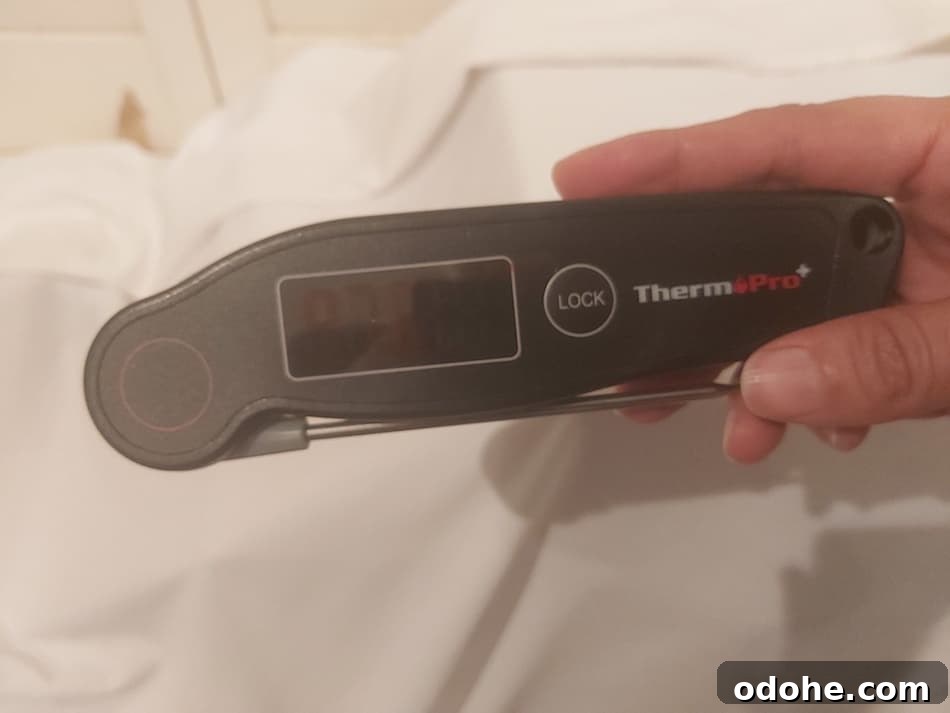
An instant-read thermometer is the best tool to check internal temperature. A quality instant-read gives an accurate reading in a few seconds and lets you test multiple spots like the breast and thigh. Insert the probe into the thickest part without touching bone.
Invest in a reliable thermometer—cheap models can be inaccurate, and with poultry you want trustworthy readings. The fastest and most accurate tools will save time and deliver safer, juicier results.
Spatchcock Chicken
Spatchcocking removes the backbone and flattens the bird, allowing faster, more even cooking and a cleaner presentation. This method reduces cook time and helps both dark and white meat finish more consistently.
Done Temperature – Chicken Thighs and Legs
Cook thighs and legs to 175°F. Dark meat is more forgiving because of its higher fat content and benefits from slightly higher finish temperatures. When smoking a whole bird, position thighs and legs toward the hotter part of the smoker so they absorb more heat and finish properly.
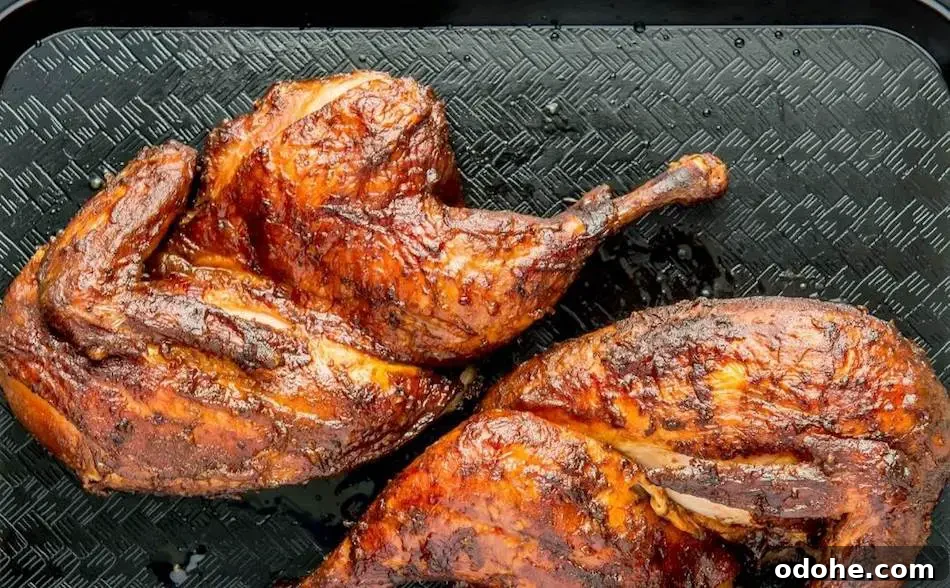
Chicken Breast Done Temperature
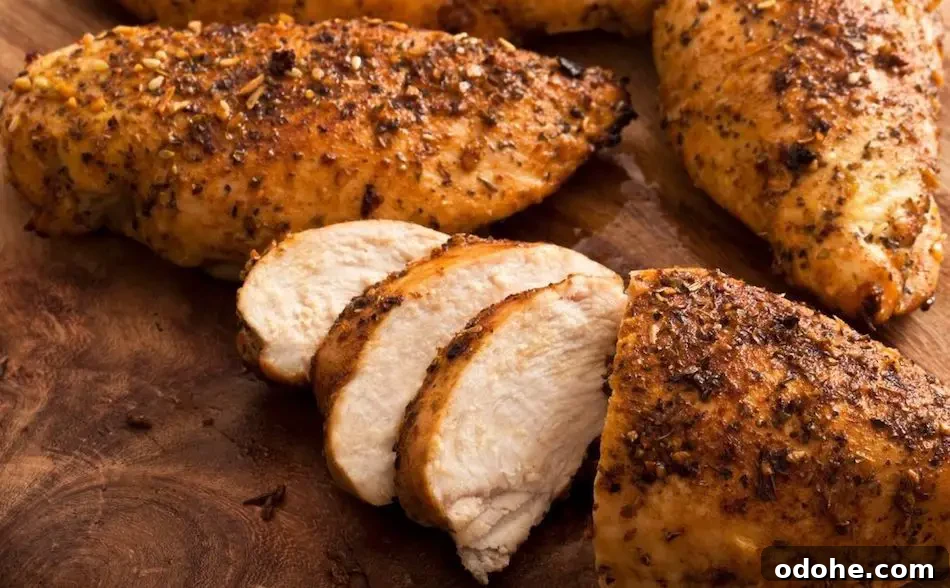
Target 165°F for chicken breast and avoid cooking beyond this point to prevent drying. Breasts are lean and can become dry if overcooked. To add moisture and flavor, consider wrapping breasts in bacon or using a reverse sear method: smoke low (around 200°F) to absorb smoke, then finish over high heat briefly to develop color.
Butterfly The Chicken Breasts
Butterflying (slicing breasts horizontally so they open like a steak) reduces thickness, shortens cook time, and helps prevent dryness. It’s a simple technique that yields more consistent results.
Rest Your Chicken
Let chicken rest at least 10 minutes after removing from heat. Resting allows the juices to redistribute and keeps the meat moist when sliced. Cutting immediately will cause excessive moisture loss and drier meat.
Cook Chicken With Indirect Heat
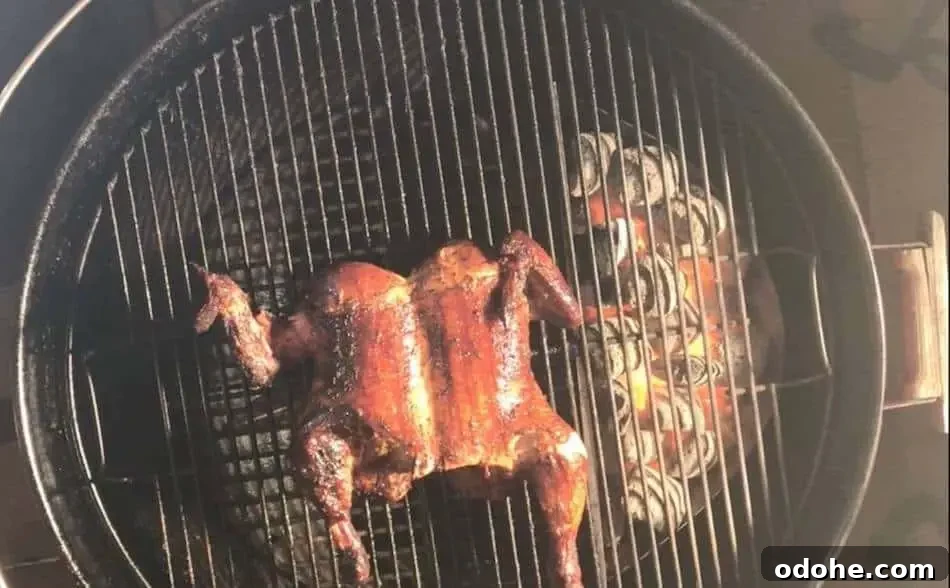
Smoke chicken using indirect heat to maximize smoke absorption. Direct flame will speed cooking but reduce smoke exposure. Indirect setups create a hot zone and a cool zone—for example, bank coals to one side on a charcoal grill or use a deflector in kamado-style smokers. Electric, pellet, and offset smokers typically use indirect heat by design.
Direction of The Chicken
Position the bird with thighs and legs facing the heat so darker meat handles the higher temperatures. Shield wing tips with foil if needed and keep breasts toward the cooler side to avoid drying the white meat.
The Smoke Ring
Smoked chicken can display a pink smoke ring that looks like undercooking to the untrained eye. This pinkness results from chemical reactions on the meat’s surface and does not indicate raw meat. Always rely on a thermometer, not color, to confirm doneness.
Soft Skin vs Crispy Skin
Getting both juicy meat and crispy skin requires balance. High heat can dry breasts; too low and the skin becomes rubbery. Wet brines increase moisture but can soften skin unless the skin is dried properly before cooking.
Tips To Get a Crispy Chicken Skin
- Cook between 300°F and 375°F for crisp skin.
- If your smoker can’t reach those temps, finish in a hot oven.
- Don’t wrap the chicken in foil or tent it; steam softens skin.
- Avoid wet brines unless you thoroughly dry the skin in the fridge before cooking.
- Pat the skin dry with paper towels and use a light coating of oil rather than sugary binders.
- Skip a water pan if you want drier, crisper skin, as it increases humidity.
Tips to Get Tender Juicy Chicken
To retain moisture, use a water pan to add humidity, cook at lower temperatures, or use a wet brine to help the meat hold moisture. A simple brine: one gallon water, one cup sugar, one cup salt. Soak the chicken overnight and rinse before cooking if desired.
Safety When Cooking Chicken
Undercooked chicken can harbor harmful bacteria such as salmonella and campylobacter. Always use a food thermometer to confirm the thickest part of the meat reads at least 165°F, and handle raw poultry carefully to avoid cross-contamination. Wash hands and use separate cutting boards and utensils for raw and cooked foods.
Recommended Tools
Reliable thermometers and the right accessories make smoking chicken easier. A dual-probe thermometer helps monitor both smoker and meat temperatures. A fast, accurate instant-read thermometer is essential for final checks. Food-grade butcher paper and wireless thermometers offer convenience at advanced stages of smoking.
Thanks for reading. Follow safe handling practices and use a thermometer to ensure juicy, flavorful, and safe smoked chicken every time.