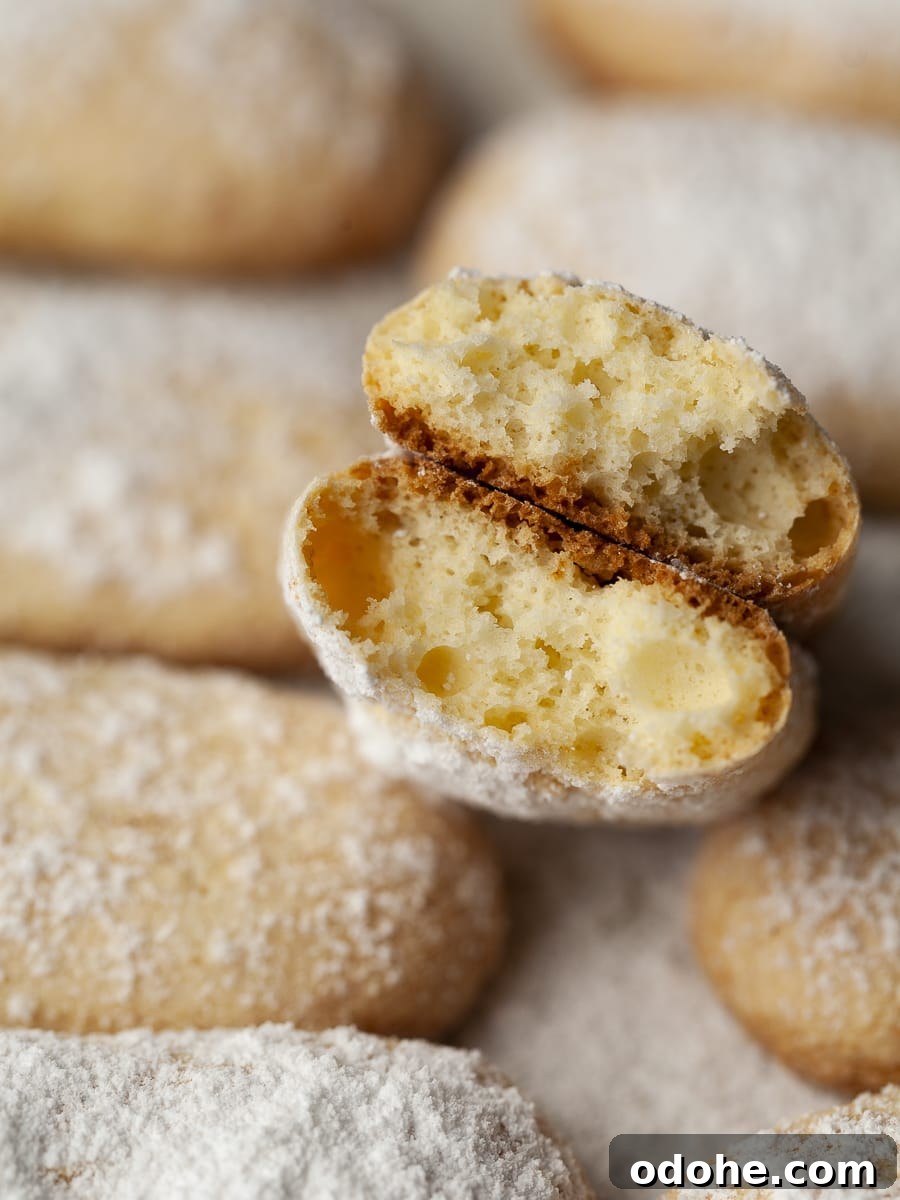
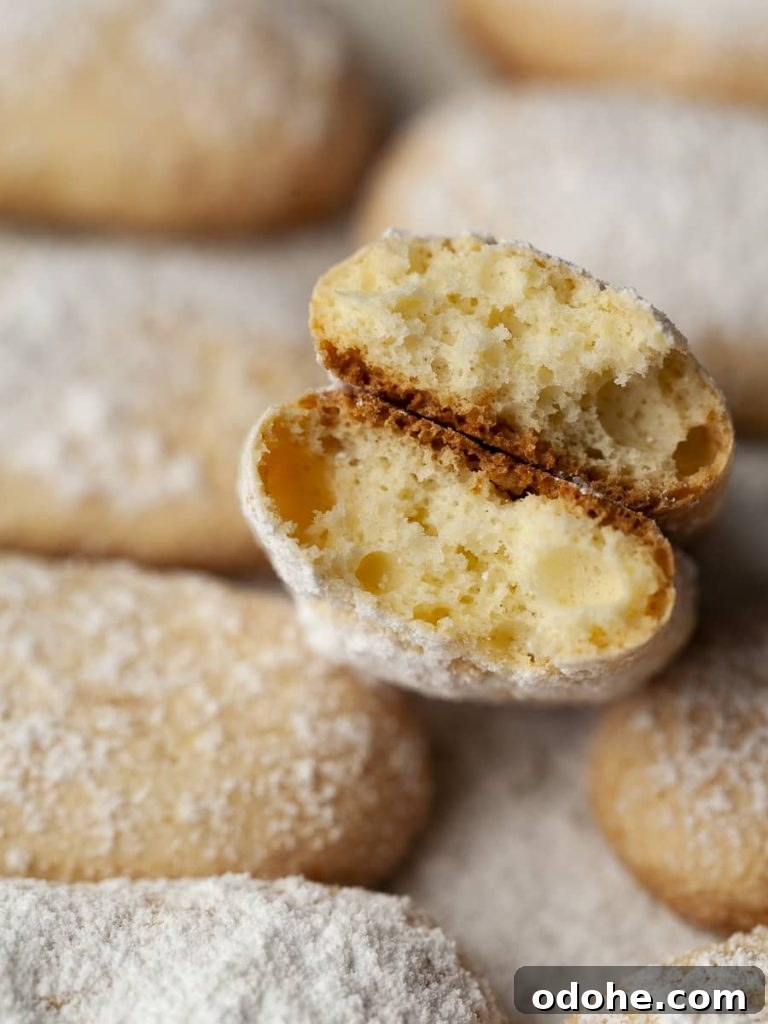
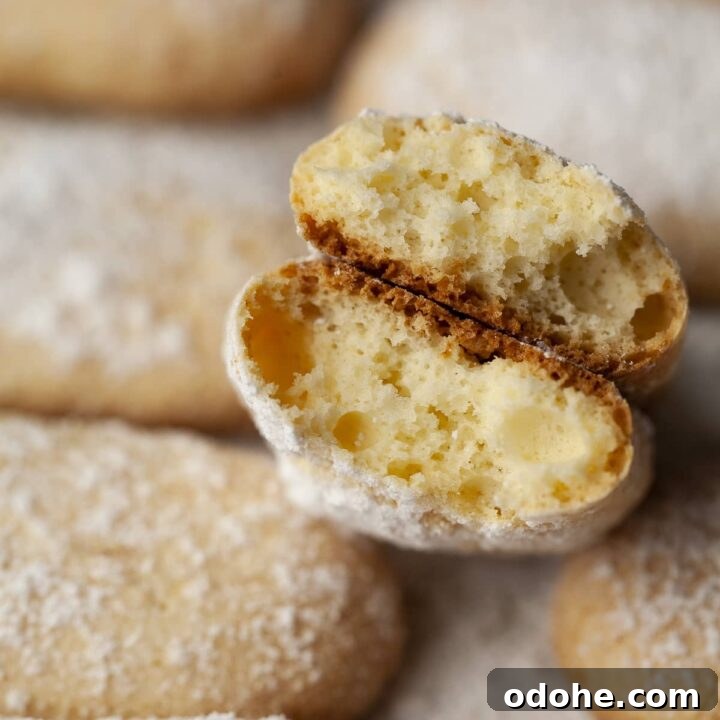
Gluten Free Ladyfingers (also called savoiardi in Italy or biskotten in Austria) are crisp, light cookies made from a simple sponge-cake batter. These classic cookies have a subtle sweetness and a delicate crunch. Enjoy them plain or dipped in coffee, dessert wine, or hot chocolate. They also make an ideal base for gluten-free tiramisu, trifles, or even a crumb crust for cheesecakes.
Store-bought gluten-free ladyfingers can be hard to find and often expensive. Once you discover how straightforward they are to make at home, you’ll likely skip the store-bought version. The recipe uses common pantry ingredients and yields authentic-tasting, airy cookies.
[feast_advanced_jump_to]
Recipe Ingredient Notes
Gluten-free flour: This recipe works well with most 1:1 gluten-free blends that contain xanthan gum. Different blends perform slightly differently: some batters may be lighter and airier while others can be a bit stiffer. Choose a blend you like and expect minor texture differences between brands.
Eggs: Eggs are essential for the sponge structure and light texture. This recipe requires real eggs; it won’t work with typical egg substitutes.
Baking powder: Traditional savoiardi don’t always include chemical leaveners, but ½ teaspoon of baking powder helps give these gluten-free ladyfingers an airy lift and reliable rise.
Vanilla: Vanilla extract works well, and vanilla bean paste adds more intense flavor and visible specks of vanilla. Use whichever you prefer.
Tools needed to make Gluten Free Ladyfinger Cookies
Essential tools include a mixer (hand or stand), two large mixing bowls, a whisk, a flexible rubber spatula, a sifter, two sheet pans lined with parchment, and a piping bag with a plain round tip. If you don’t have a piping bag, a disposable bag or a zip-top bag with a corner cut works fine.
How to make Ladyfinger Sponge Cake Batter
The method requires two bowls: one for whipping the egg whites and one for the egg yolks with sugar. If you have only one mixing bowl for a stand mixer, whip the egg whites first, transfer them to a separate bowl, then reuse the same bowl for the yolks.
Step 1: Position oven racks so you can bake two sheet trays in the oven’s middle. Preheat to 350°F. Line two sheet pans with parchment. Prepare your piping bag. Mix powdered sugar and granulated sugar in a small bowl for the sugar dust.
Step 2: In a small bowl, whisk together the gluten-free flour, salt, and baking powder. Set aside. Separate the eggs and place the whites in a clean bowl.
Step 3: Whip the egg whites with a pinch of salt until glossy stiff peaks form. If you only have one mixer bowl, transfer the whites to a separate container before whipping the yolks.
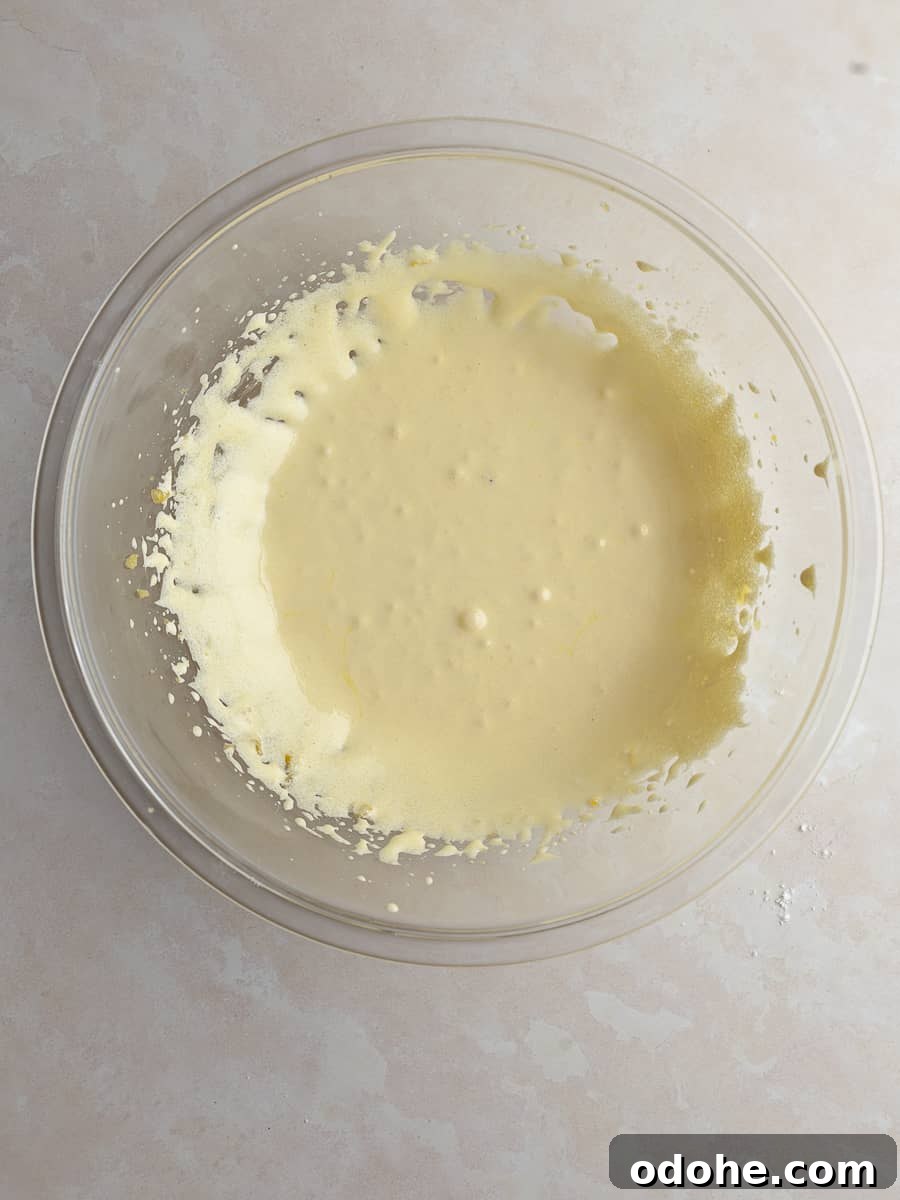
Step 4: In a clean bowl, whisk the egg yolks, granulated sugar, and vanilla on medium-high until the mixture triples in volume and becomes pale and airy—this can take several minutes.
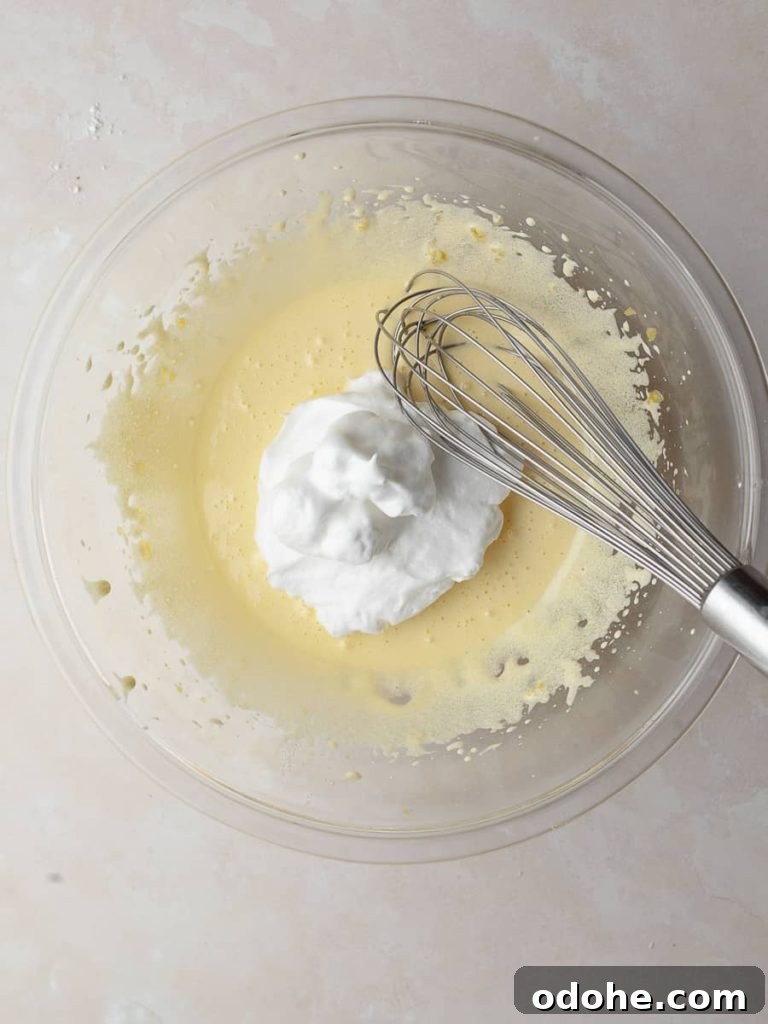
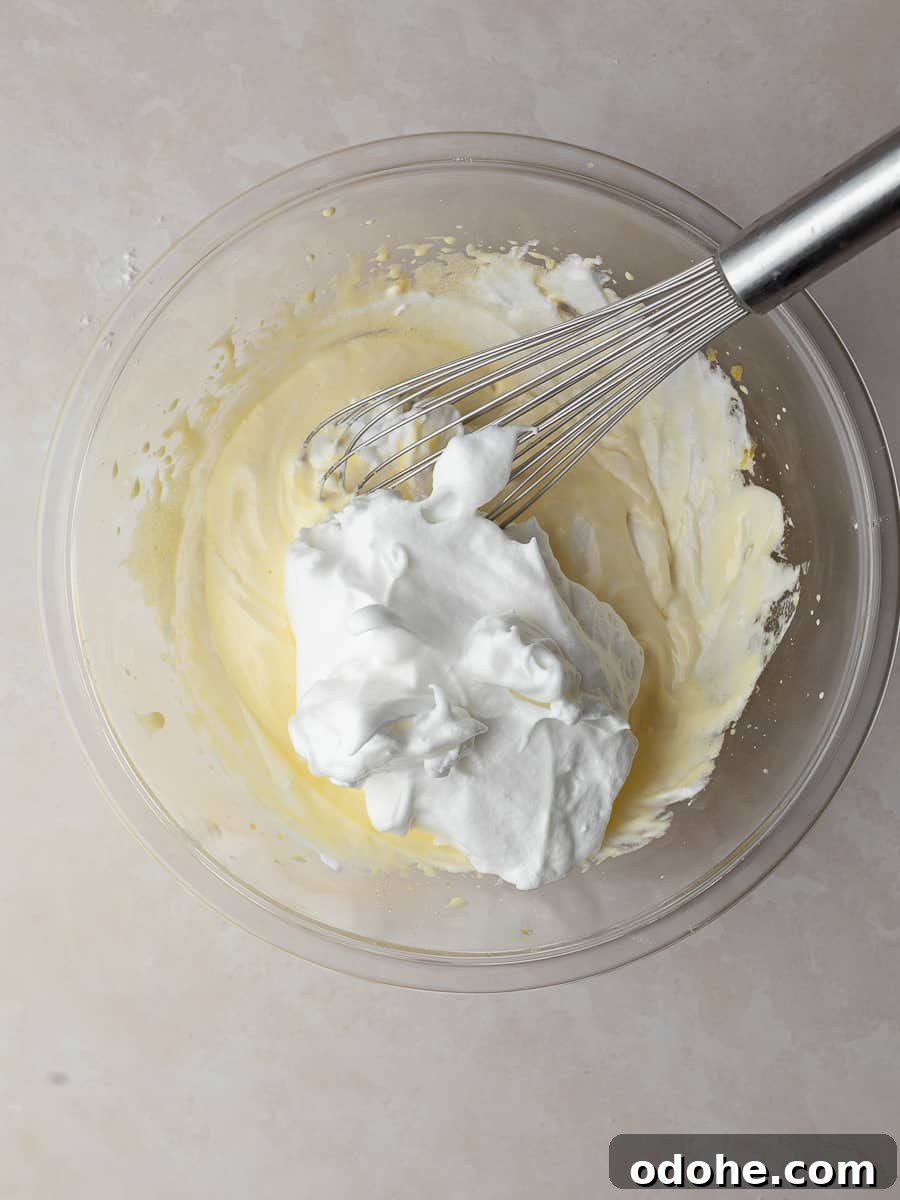
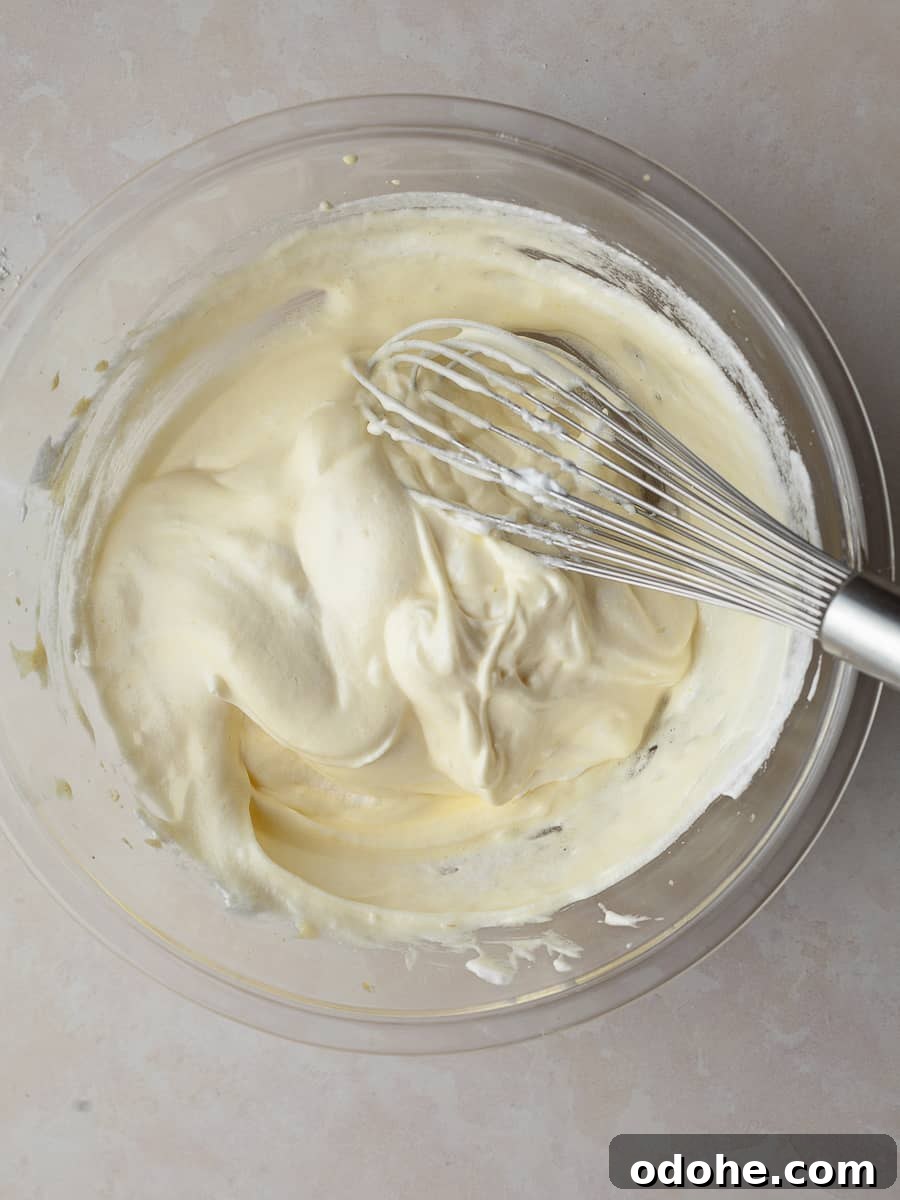
Step 5: Fold approximately one-quarter of the whipped egg whites into the yolk mixture to loosen it, then gently fold in the remaining whites. Maintain as much aeration as possible.
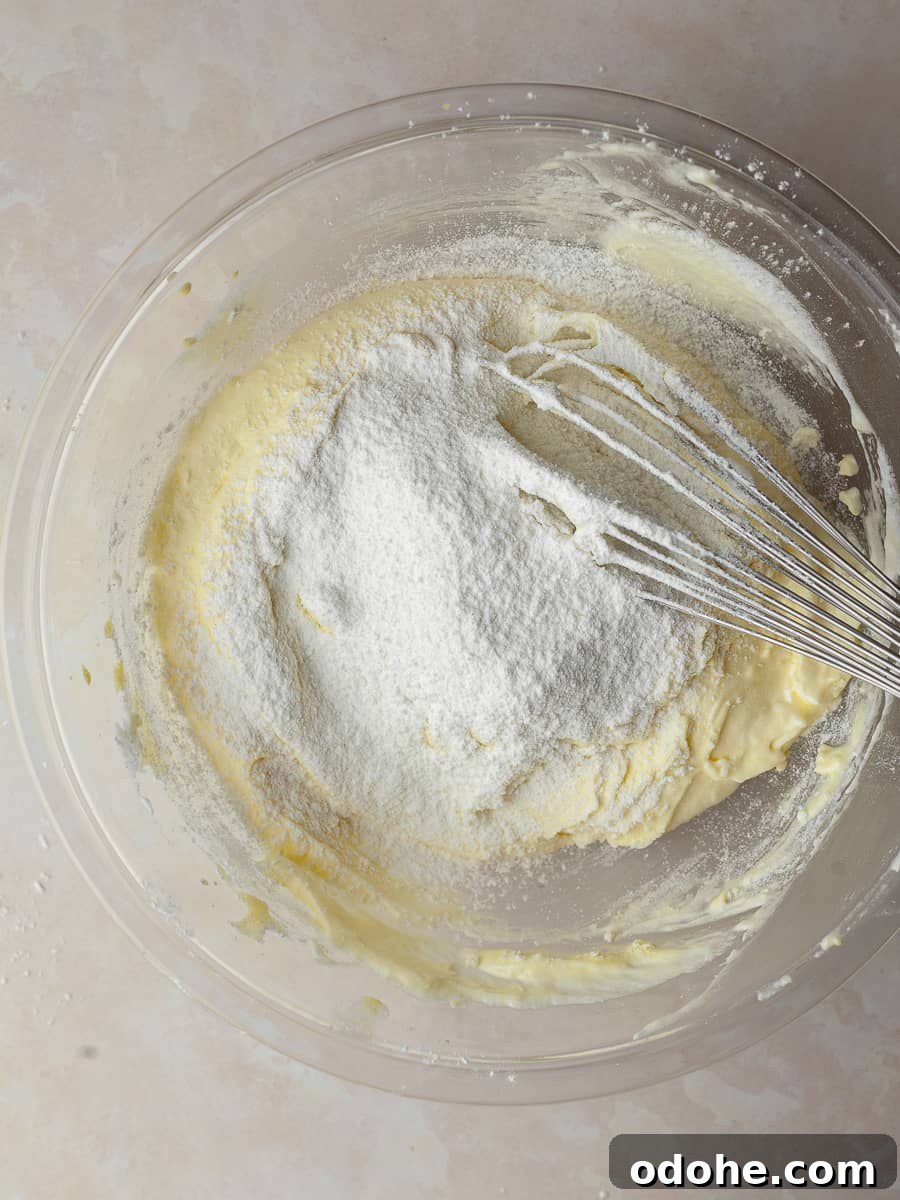
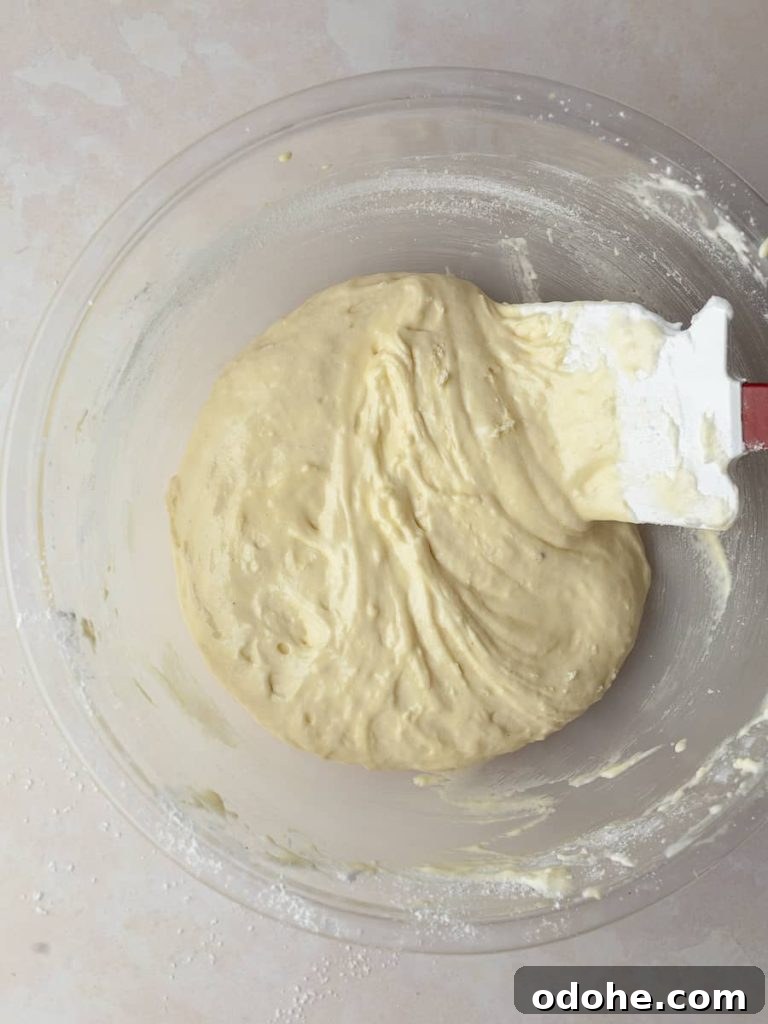
Step 6: Sift the flour mixture over the batter in three additions, folding gently after each addition until no pockets of flour remain. The batter will look thick at times but will come together if folded carefully.
Piping and baking Gluten Free Ladyfingers
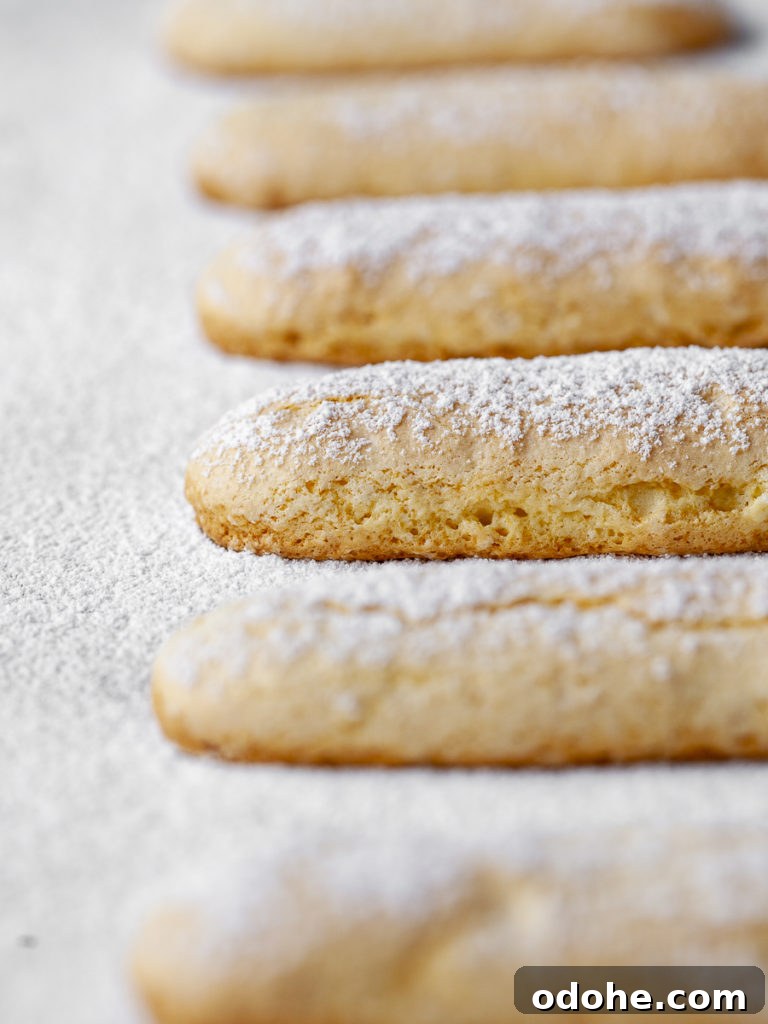
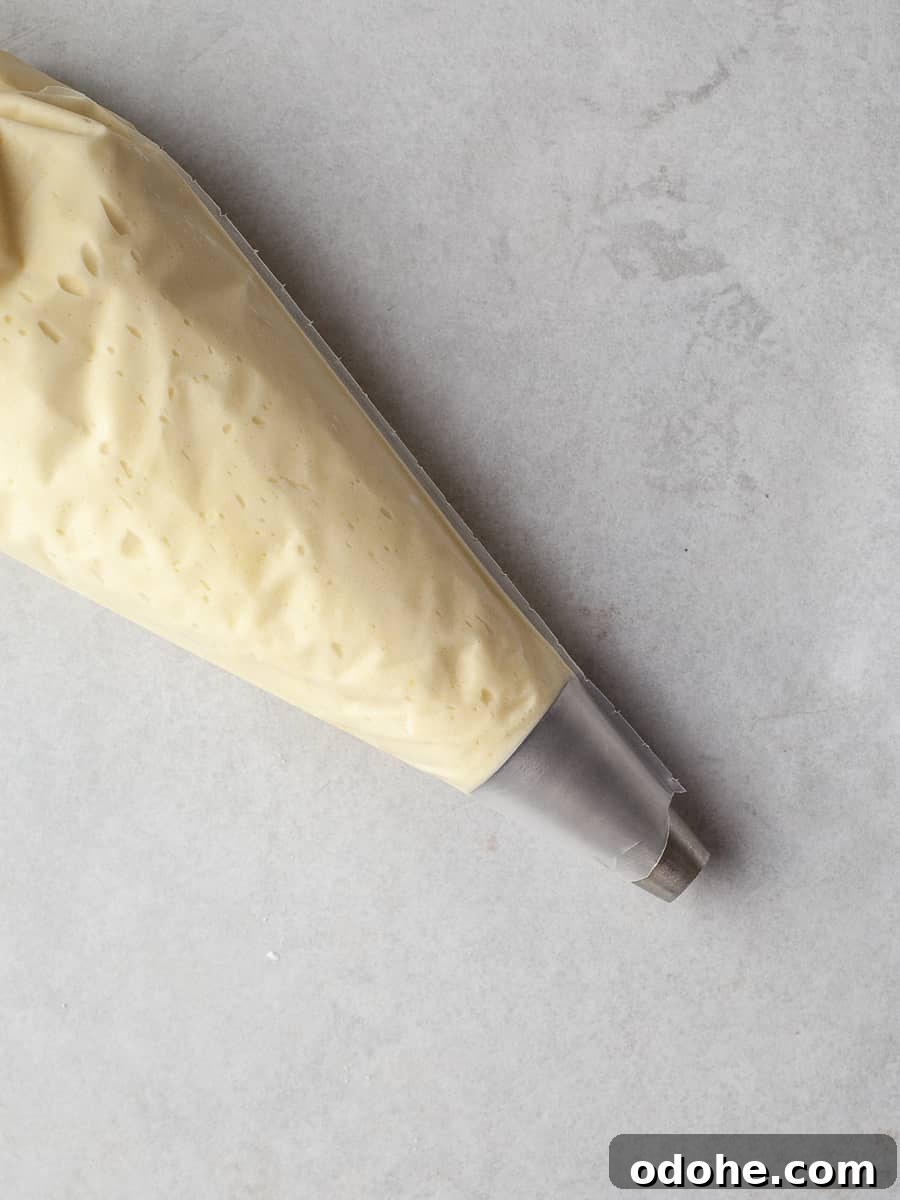
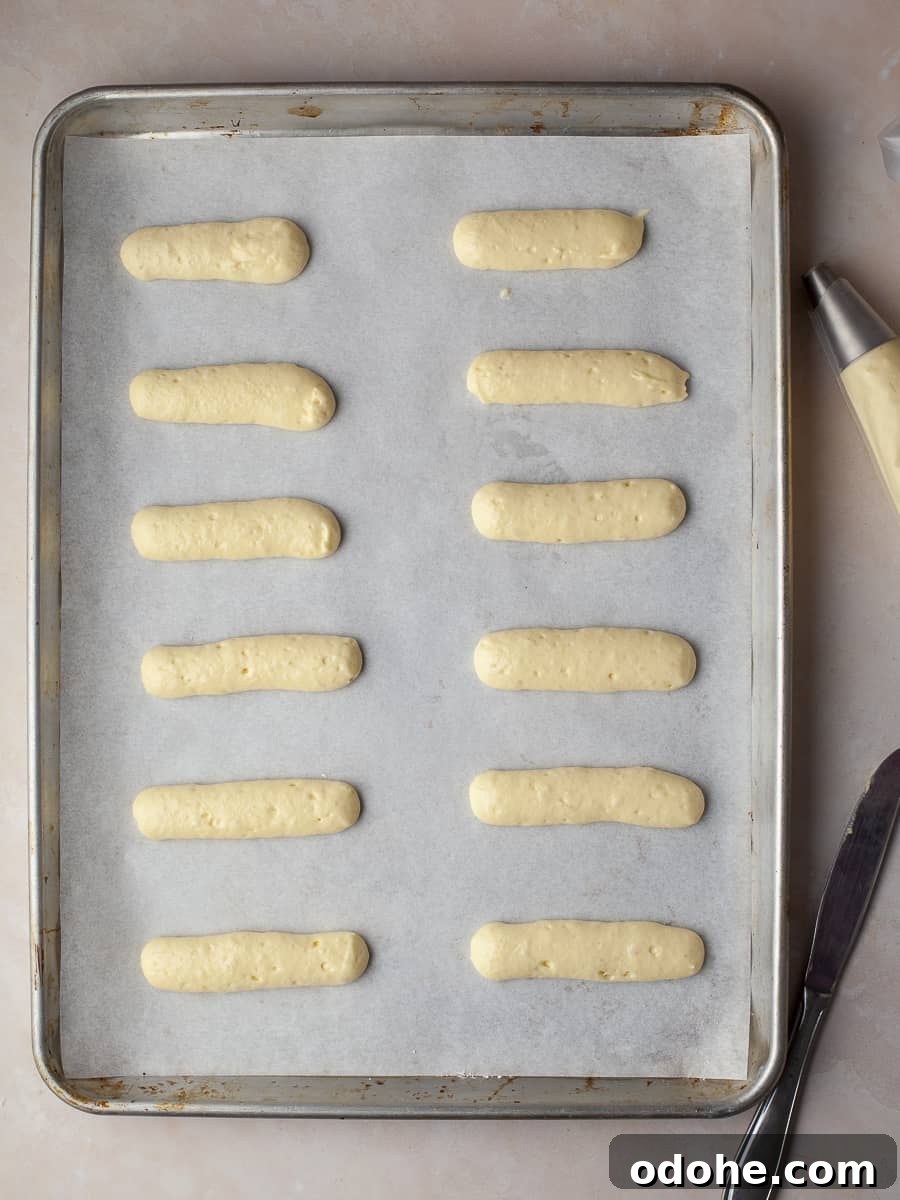
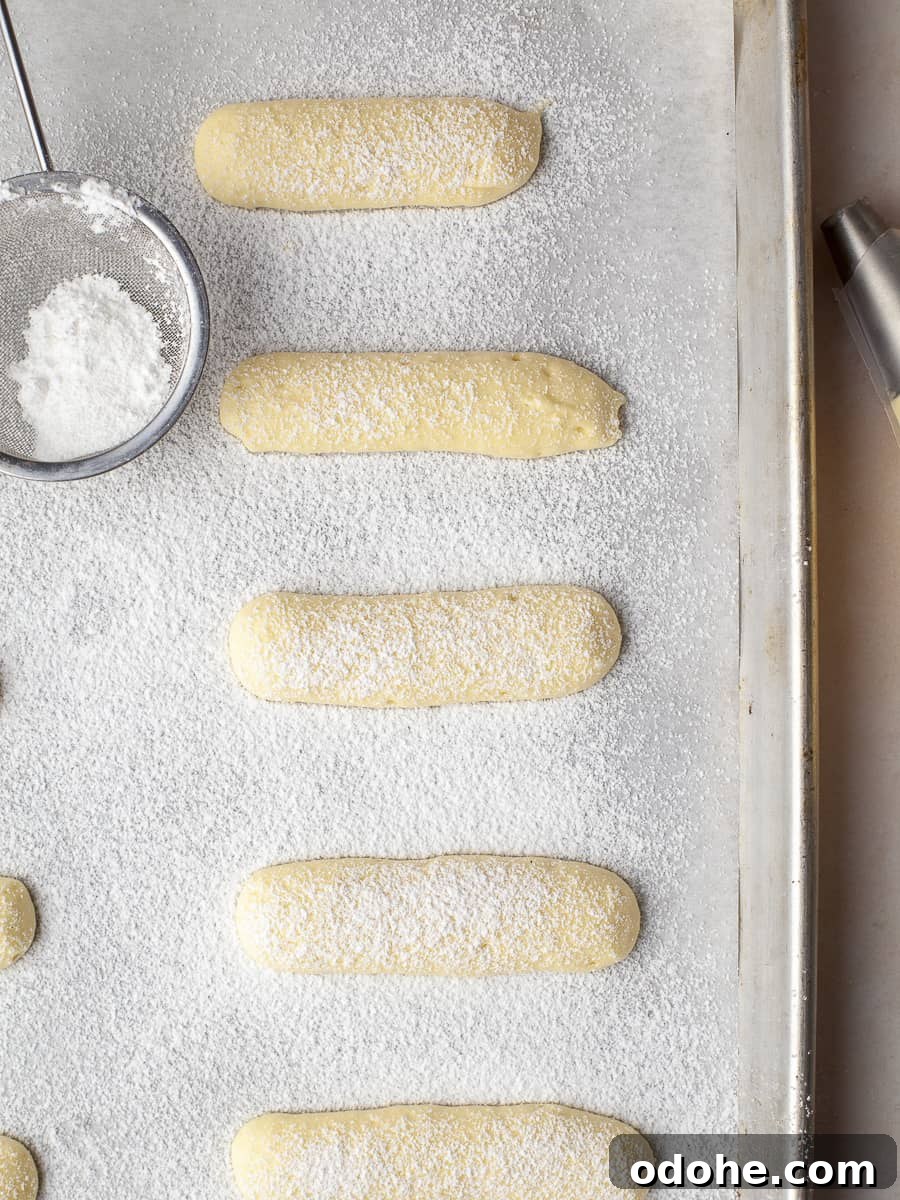
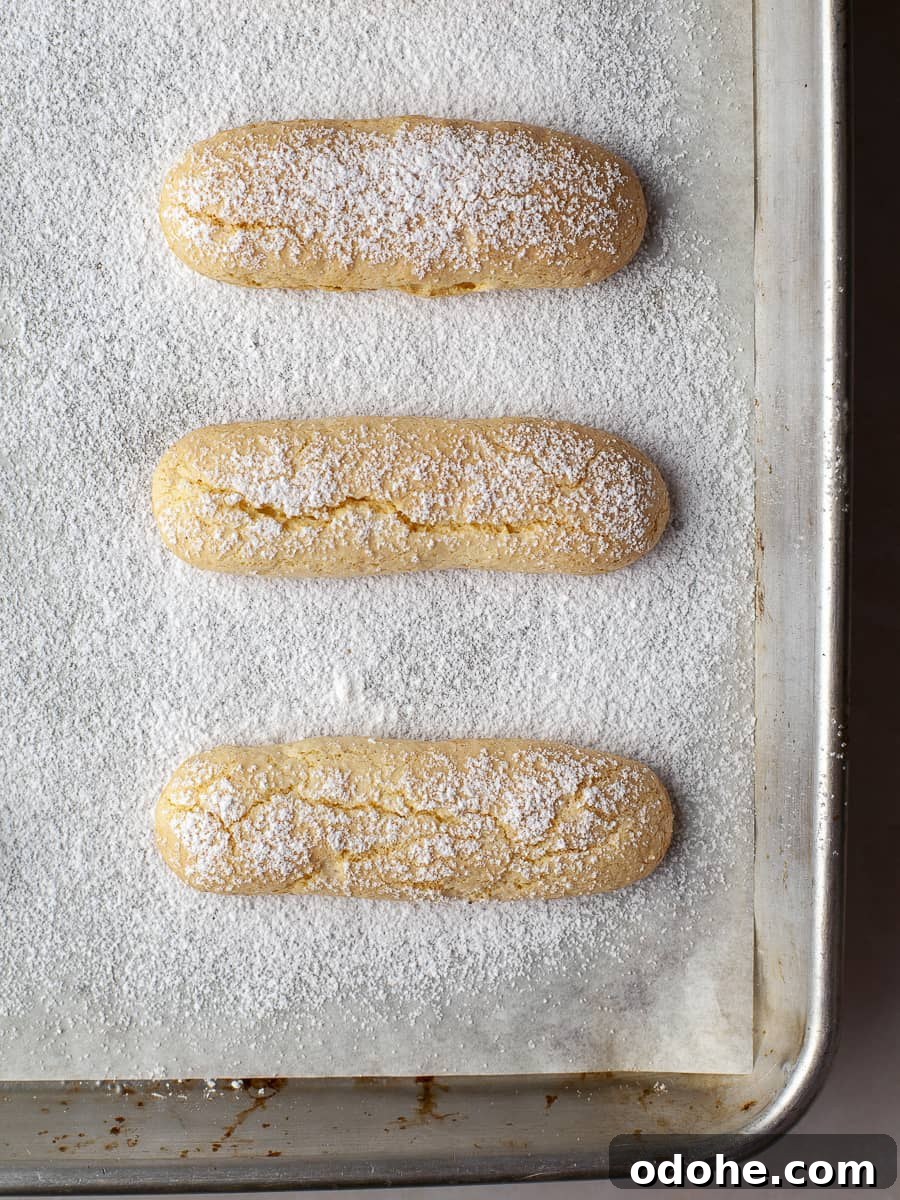
Transfer the batter to a piping bag fitted with a plain round tip and pipe 3–4 inch “fingers” across the prepared parchment, leaving about 2 inches between each to allow for spreading. Lightly dust the piped strips with the powdered sugar–granulated sugar mix; this creates the classic sweet, slightly crunchy exterior.
Bake both sheet trays together at 350°F for 15 minutes. Rotate the trays, reduce the temperature to 300°F, and bake another 8–10 minutes until the cookies look golden and slightly dry. Oven times vary, so watch for color and a crunchy surface.
Turn the oven off and let the cookies cool completely inside with the oven door cracked—this drying step is key to achieving that crisp texture. Once cooled, store in an airtight container in a dry place; properly dried ladyfingers will remain crunchy for several days.
How to use Gluten Free Ladyfingers
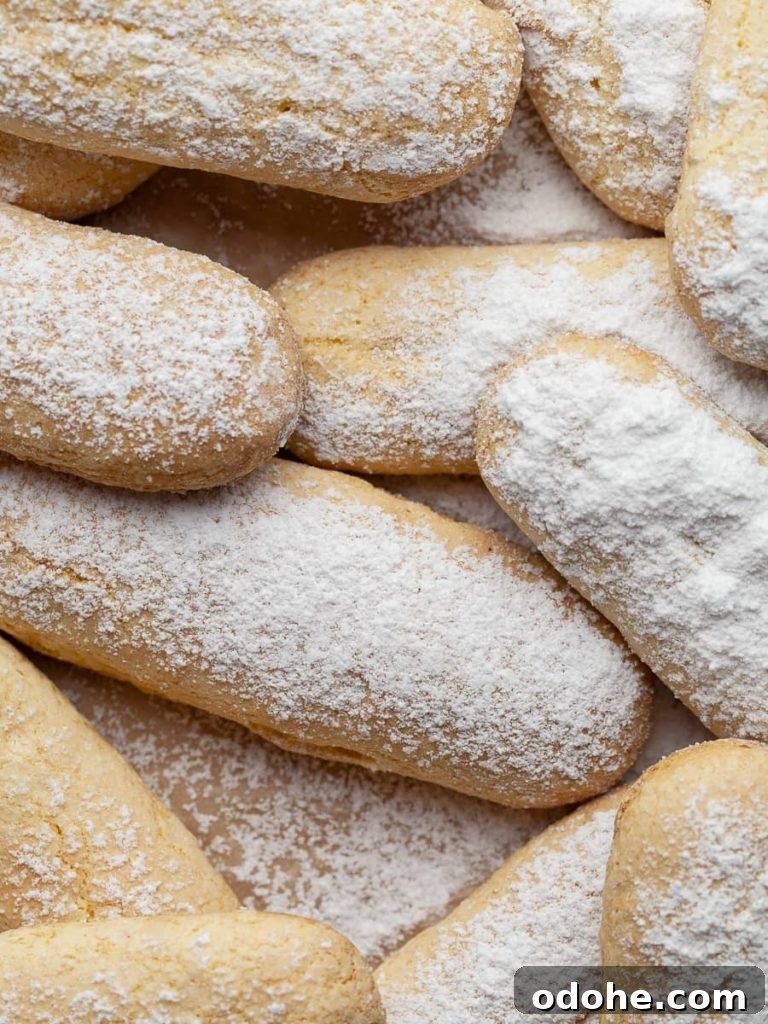
Enjoy these ladyfingers on their own or use them as an element in desserts. They pair beautifully with coffee, tea, hot chocolate, or dessert wine. The most classic use is in tiramisu, where their light texture soaks up coffee and liqueur while maintaining structure.
FAQ about Ladyfingers
Can I make this recipe vegan?
No — this particular recipe relies on eggs for structure and aeration. Look for recipes specifically developed for vegan ladyfingers.
Are store-bought ladyfingers gluten-free?
Most traditional store-bought ladyfingers contain wheat unless they are explicitly labeled gluten-free.
Why are my ladyfingers flat?
Flat results usually come from not whipping the eggs enough, improper folding (deflating the batter), or omitting the baking powder. Follow the whipping and folding steps carefully.
Why are my ladyfingers soft?
If you skip the final oven-drying step with the door cracked, the cookies will remain soft like small sponge cakes. Drying them fully in the warm oven produces the desired crunch.
Note about Salt in my Recipes
I typically use a coarse kosher salt in my recipes. If you use a finer or different salt, reduce the amount accordingly since salt granule size affects perceived saltiness.
Baking in grams
Measuring by weight gives the most consistent results, especially with gluten-free flours that vary in density. If possible, weigh ingredients with a digital scale for best outcomes.
Note about Ovens and Temperatures
All baking times and temperatures are tested in a conventional oven with racks placed in the middle. Convection ovens may require lower temperatures or shorter times; adjust accordingly and monitor closely.
Substitutions and Modifications
Substituting key ingredients or changing the method can noticeably alter texture and flavor. This recipe is designed and tested as written for reliable gluten-free results.
📖 Recipe
Gluten Free Ladyfingers
Light, crisp ladyfingers made gluten-free with a classic sponge batter. Perfect for snacking or for assembling desserts like tiramisu.
20 minutes
25 minutes
30 minutes
1 hour 15 minutes
Ingredients
For the Ladyfinger Sponge Cake Batter
- 3 large egg yolks
- 3 large egg whites
- 100 grams granulated white sugar
- 1 teaspoon vanilla extract (or paste)
- 155 grams gluten-free multipurpose flour
- ¼–½ teaspoon kosher salt (adjust to taste)
- ½ teaspoon baking powder
For sugar dust
- 50 grams powdered sugar
- 50 grams granulated white sugar
Instructions
Ladyfinger Sponge Cake Batter
- Arrange oven racks to bake two sheet trays in the middle and preheat to 350°F. Line two sheet pans with parchment. Combine powdered sugar and granulated sugar for dusting.
- Whisk together the gluten-free flour, salt, and baking powder; set aside.
- Whip the egg whites with a pinch of salt until glossy stiff peaks form. Transfer to a separate bowl if needed.
- Whisk the egg yolks, granulated sugar, and vanilla until pale and tripled in volume.
- Fold about ¼ of the whipped egg whites into the yolk mixture to loosen it, then gently fold in the remainder.
- Sift the flour mixture over the batter in three additions, folding gently until combined and no pockets of flour remain.
Piping and baking Ladyfingers
- Transfer batter to a piping bag fitted with a plain round tip.
- Pipe 3–4 inch fingers on the prepared parchment, leaving about 2 inches between each.
- Evenly dust the piped fingers with the sugar mixture using a small sifter.
- Bake both trays at 350°F for 15 minutes. Rotate trays, lower the oven to 300°F, and bake an additional 8–10 minutes until golden and dry.
- Turn off the oven and let the cookies cool completely inside with the oven door cracked to dry them out and achieve crunch.
- Once cooled, store in an airtight container; fully dried cookies will stay crisp for several days in a dry place.
Notes
Salt: Adjust the salt amount to balance sweetness based on the type of salt you use.
Nutrition Information:
Yield:
24
Serving Size:
1
Amount Per Serving:
Calories: 70
Calories are an estimate.