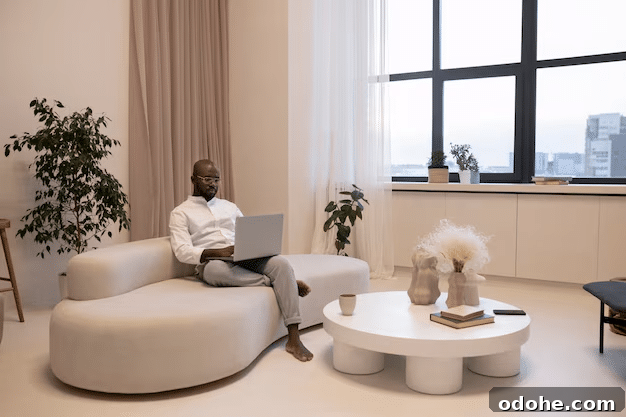
Creating a living room that truly reflects your personality can transform your home into a welcoming, functional, and beautiful space. The living room often serves as the heart of the home — where family and friends gather to relax, entertain, and share everyday moments. With thoughtful choices in layout, furniture, color, and lighting, you can design a room that looks great and feels like a natural extension of who you are.
This guide outlines practical steps to help you design a living room that matches your tastes while maintaining comfort and functionality. Use these ideas as a starting point and adapt them to fit your lifestyle and the way you use the space.
Start with a Clear Vision
Begin by defining the atmosphere you want to create. Consider whether you prefer a minimalist, modern aesthetic or the warmth of vintage and eclectic pieces. Think about color preferences: are you drawn to bold, energetic hues or to calming, neutral tones? Establishing a clear vision helps guide every decision, from furniture selection to decorative accents.
Create a mood board to collect inspiration: clip images from magazines, save inspiring photos from websites, or assemble screenshots from social media. Group images that evoke the same mood and identify common elements—colors, textures, and layouts—that you can carry into your own design.
Choose Furniture That Fits Your Lifestyle
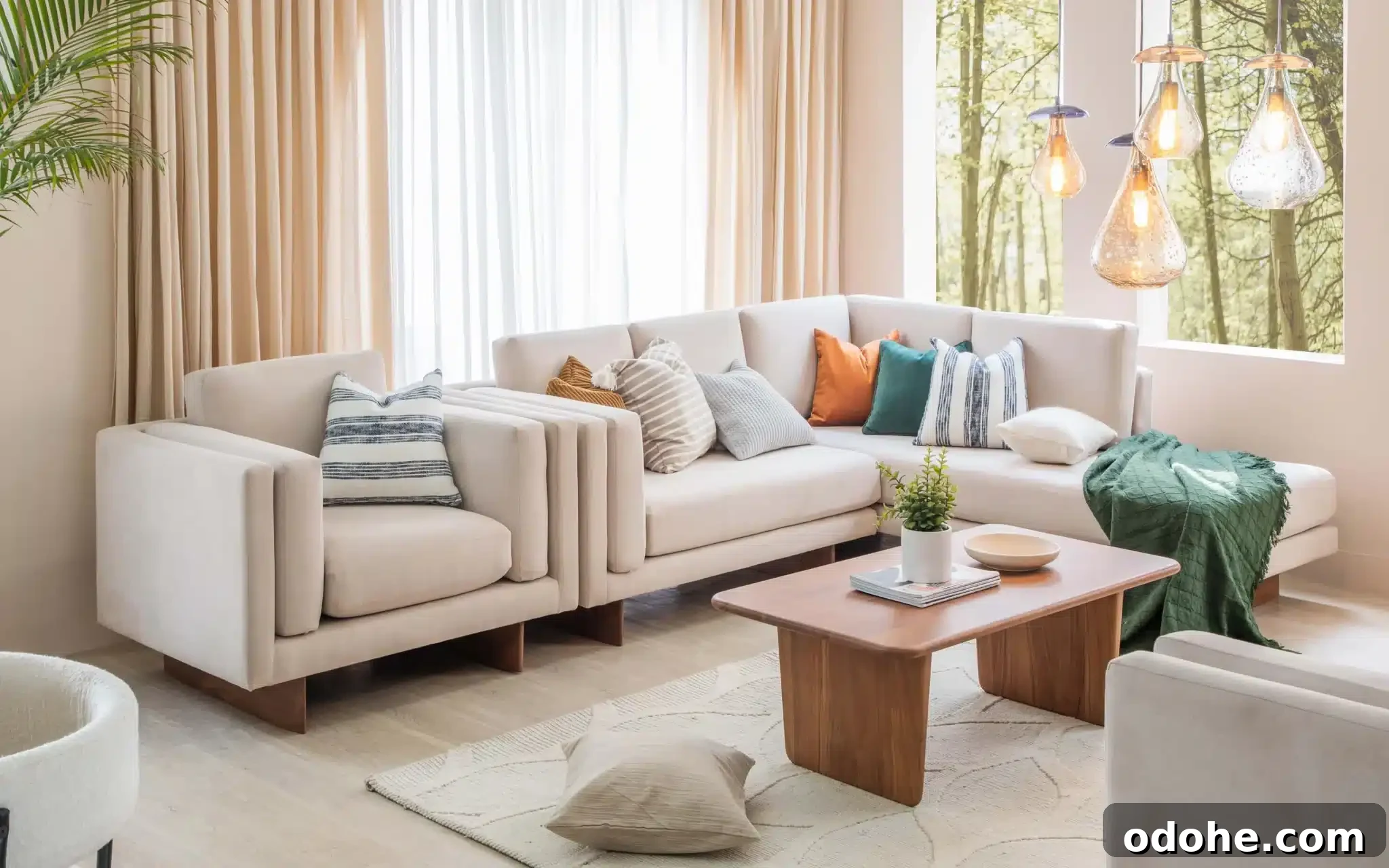
Let how you use the room dictate your furniture choices. If you often watch movies or play games, create an entertainment area with a comfortable seating arrangement and a sleek media console to house your TV and devices. If you host gatherings, prioritize seating and surface areas that encourage conversation and easy flow.
Select durable materials and comfortable shapes that suit daily use. Modular sofas, versatile side tables, and storage-forward pieces help maintain organization without compromising style. Choose scales and proportions that fit the room so the layout feels balanced and functional.
Pick a Thoughtful Color Palette
The color scheme sets the mood for the entire room. Softer neutrals like beige, gray, and soft blues create a calming environment, while brighter colors such as yellows and greens energize the space. Accent walls or colorful furniture pieces provide opportunities to introduce bolder tones without overwhelming the room.
Remember that color doesn’t have to be limited to paint. Incorporate hues through textiles like cushions, rugs, curtains, and throws. This approach adds visual interest and gives you the flexibility to refresh the room’s look over time with minimal effort.
Add Personal Touches
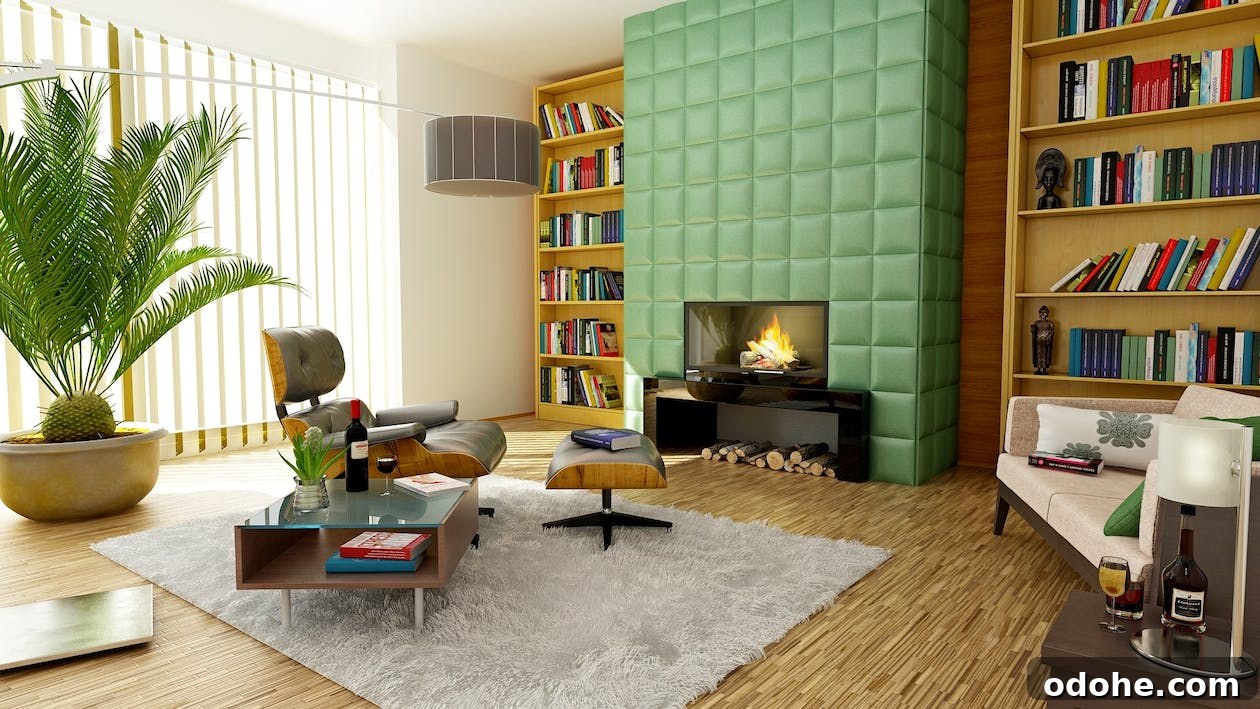
Personal items bring character and warmth to your living room. Display artwork, family photos, travel souvenirs, or heirlooms that hold meaning for you. Thoughtful arrangements of books, plants, and decorative objects create focal points that tell a story about your life and interests.
Consider integrating a cozy nook tailored to your favorite pastimes—whether that’s reading, gaming, or board games—so the room supports the activities you enjoy most.
Use Lighting to Create Ambiance
Lighting plays a central role in shaping mood and usability. Maximize natural light during the day by using sheer curtains or unobtrusive window treatments. In the evening, layer light sources to create depth and flexibility: combine overhead fixtures with table lamps, floor lamps, and wall sconces.
Warm-toned bulbs lend a cozy feel, while adjustable task lighting makes reading corners and workspaces more comfortable. Dimmers are a valuable addition, allowing you to fine-tune the brightness for different occasions.
Balance Style and Function
A thoughtfully designed living room balances aesthetics with practicality. Prioritize pieces that serve multiple purposes—storage ottomans, media consoles with concealed compartments, and coffee tables with shelves—to keep the room organized and visually calm. Scale and proportion matter: select furniture that fits the room’s size to avoid crowding or an empty feel.
Layer textures through textiles, rugs, and throws to add warmth and visual interest. Greenery, whether real or artfully chosen faux plants, can breathe life into the space and soften hard edges.
Conclusion
Designing a living room that reflects your unique style is an enjoyable and rewarding process. By starting with a clear vision, selecting furniture that supports your lifestyle, choosing a balanced color palette, incorporating meaningful personal touches, and layering thoughtful lighting, you can create a living room that feels both inviting and authentic. Whether you’re hosting guests, enjoying quiet evenings, or engaging in your favorite pastimes, a well-designed living room enhances daily life and makes your home a place you truly love.