The International Day of Education is observed each year on 24 January to highlight the central role education plays in promoting peace and sustainable development. The day is an opportunity to reaffirm commitments to inclusive, equitable, and quality education for all.

The goal of this observance is to ensure that everyone has access to lifelong learning opportunities without discrimination. Education is essential to achieving gender equality, breaking cycles of poverty, and creating social and economic opportunities for individuals and communities.
History
On 3 December 2018, the United Nations General Assembly proclaimed 24 January as the International Day of Education. The declaration highlighted alarming global education gaps: hundreds of millions of children and young people remain out of school or lack foundational skills.
UN reports indicate that more than 258 million children and youth are out of school, around 617 million children cannot read or perform basic mathematics, and millions of refugee children lack access to education. These figures underscore the urgent need to invest in inclusive, quality education systems.
Education is a powerful driver of social progress: it helps reduce poverty, lower child mortality, manage population growth, and advance gender equality. By improving access to learning, societies raise individual prospects and strengthen national development.
The International Day of Education serves to mobilize governments, educators, communities, and other stakeholders to promote learning opportunities and encourage collective responsibility for the future of families, societies, and nations.
Education as a Human Right
Article 26 of the Universal Declaration of Human Rights enshrines the right to education, calling for free and compulsory elementary education. Recognizing education as a human right forms the basis for policies that guarantee access and protect learners from discrimination.
Right to Education in India
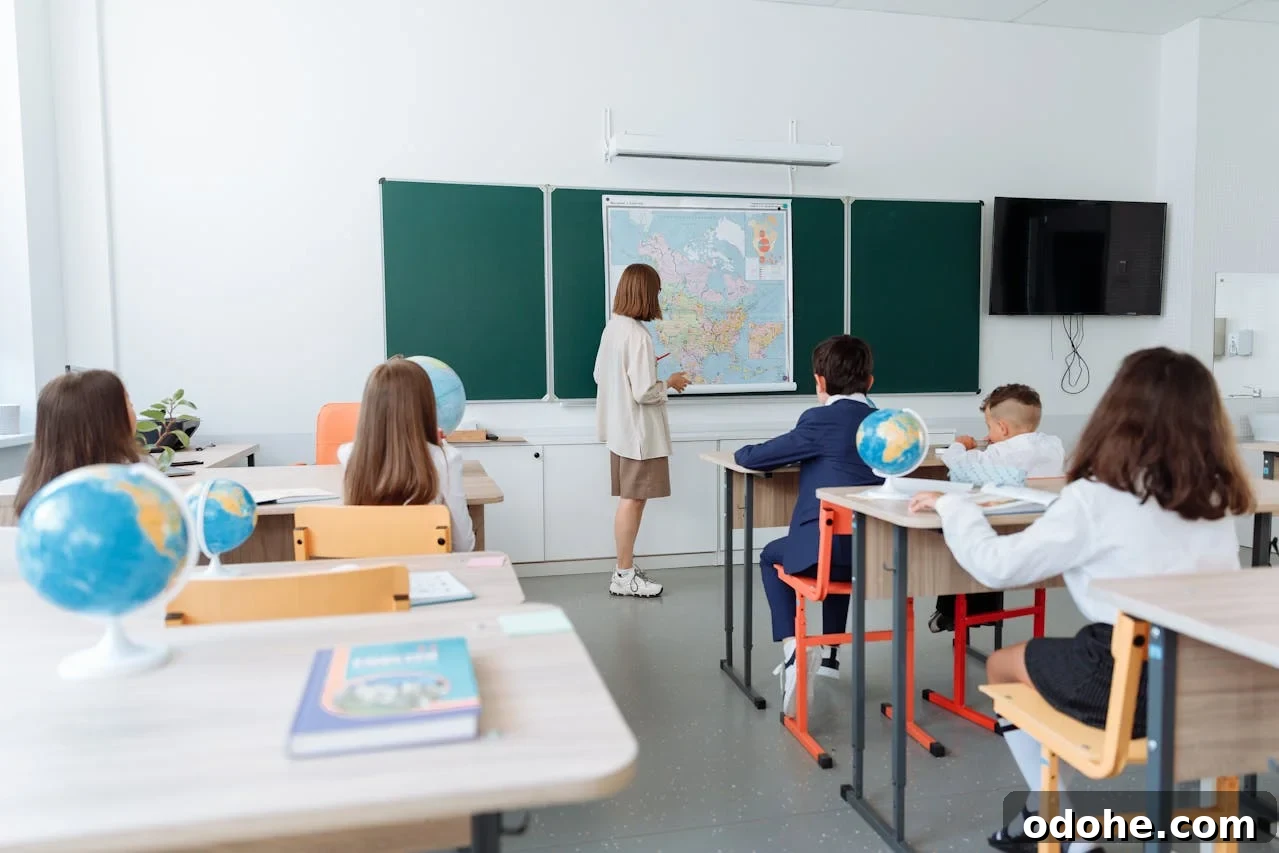
In India, the Right to Education was incorporated into the Constitution by the Constitution (Eighty-sixth Amendment) Act, 2002, which added Article 21-A. This made education a fundamental right for children aged six to fourteen, obliging the state to provide free and compulsory elementary education.
Need for Awareness
Education goes beyond basic literacy; it builds awareness of rights and responsibilities and underpins social development. While global literacy has improved dramatically, about one billion people worldwide still lack basic reading and writing skills. Raising awareness through initiatives such as the International Day of Education helps focus attention on marginalized populations and the barriers they face.
Factors Behind Low Literacy Rates
Low literacy rates often stem from a combination of factors: insufficient schools and facilities, inadequate sanitation, socio-economic inequality, caste discrimination, poverty, safety concerns for girls, and limited community awareness. Many countries remain far from achieving full literacy, and progress varies widely across regions.
In India, literacy has risen significantly over the decades—from low rates during colonial rule to much higher levels today—but challenges persist in achieving universal, high-quality education for all children.
Literacy in India
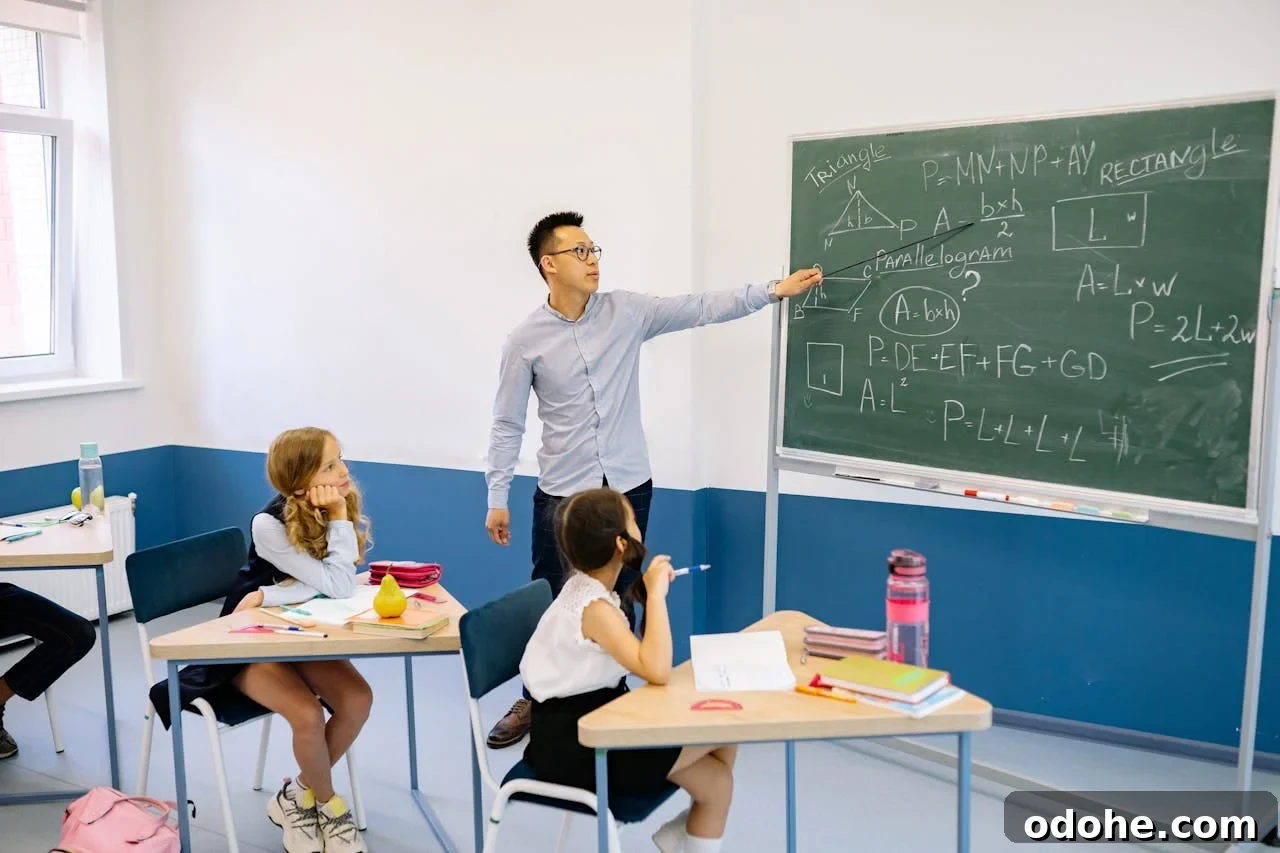
Recent data indicate that India’s literacy rate is around 74.04%. State-level differences are significant: Kerala reports one of the highest literacy rates, while other states continue to face pronounced educational gaps. Continued investment in schools, teacher training, infrastructure, and community outreach is needed to close these gaps.
Institutions such as NFCI Hotel Management & Culinary Institute run multiple programs and courses aimed at expanding educational access and vocational opportunities. These efforts contribute to broader goals of empowering individuals and building a more educated, prosperous society.