This post answers the question: Is stainless steel cookware safe? It examines the safety of stainless steel cookware, explains how to care for it, and compares it to non-stick options so you can make an informed choice for your kitchen.
Disclaimer: Some links in the original article were affiliate links. This rewritten version removes external links and focuses on impartial information to help you choose safe cookware.
As a physician with experience in chronic illness and preventive health, I believe everyday choices—like the cookware in your kitchen—matter. Many brands promote cookware as “non-toxic” even when they contain concerning chemicals. Below I review whether stainless steel is a safe choice, why non-stick coatings can be problematic, and practical tips to care for stainless steel so it lasts and remains safe to use.
Why avoid non-stick cookware:
Non-stick coatings including traditional Teflon are manufactured using per- and polyfluoroalkyl substances (PFAS). These are persistent chemicals—often called “forever chemicals”—that resist breakdown and accumulate in the environment and the human body.
Older PFAS compounds, such as PFOA and PFOS, have been phased out in many countries, but newer shorter-chain PFAS are now commonly used. These small-chain PFAS are also persistent and can be more difficult to remove from the environment. PFAS exposure comes from many sources including some cookware, contaminated water, personal care products, textiles, and the air. Studies show that PFAS are widely present in human blood samples.
Even at low doses, PFAS have been associated with a range of adverse health effects. Research links PFAS exposure to endocrine disruption, altered metabolism, effects on fertility, increased risk of certain cancers, higher cholesterol, impacts on thyroid function, and respiratory and immune effects in children. Given these associations, avoiding cookware that relies on PFAS-based non-stick coatings is a prudent step to reduce cumulative chemical exposure.
Ceramic-coated non-stick cookware is often marketed as safer, but not all ceramic coatings are the same. Some are truly pure ceramic; others are mixed or manufactured in ways that still pose potential risks. It’s important to distinguish pure ceramic products from ceramic-coated alternatives that may contain concerning additives.
Is stainless steel cookware safe?
Overall, high-quality stainless steel cookware is a safe and durable option for everyday cooking. It does not rely on non-stick chemical coatings and is resistant to corrosion when maintained properly.
Stainless steel can release trace amounts of nickel and chromium, especially when cooking acidic foods like tomatoes or vinegar-based sauces. For most people these low levels are not harmful, but individuals with nickel or chromium sensitivities should be mindful of that potential exposure and consider nickel-free alternatives.
The amount of metal leaching depends on the grade and quality of the stainless steel, the cooking method, cook time, and how the cookware is maintained. Investing in higher-grade stainless steel and avoiding damaged or heavily scratched pieces reduces the chance of elevated metal transfer into food.
Some newer cookware products use engineered surfaces that involve nanoparticles. Emerging research suggests certain nanoparticles may pose health risks, including inflammation, respiratory effects, and other systemic impacts in some contexts. The evidence on nanoparticles in cookware is still developing; as a precaution, many people prefer to avoid cookware explicitly marketed as incorporating nanoparticles until more is known.
How to care for stainless steel cookware:
Proper care extends the life of stainless steel and minimizes surface damage that could increase metal leaching. Follow these guidelines:
- Use utensils that won’t scratch the surface, such as silicone or wood; avoid metal tools that can cause gouges and deep abrasions.
- Be gentle when cleaning: soak stuck-on food and use non-abrasive scrubbers or cloths. Avoid harsh scouring pads that can roughen the surface.
- Avoid sudden temperature shocks, like rinsing a very hot pan with cold water, which can warp the metal or damage the finish.
- Discard cookware that is severely pitted, flaking, or damaged, as protective surface integrity is important for safety.
Disadvantages of stainless steel cookware:
Stainless steel does not have a non-stick surface, so food can stick if the pan is not properly preheated or if insufficient fat is used. There is a learning curve, but once you understand heat management and use appropriate fats, sticking can be minimized.
Practical tips to prevent sticking:
- Preheat the pan and test with a few drops of water; when droplets sizzle and slide, the pan is ready.
- Cook on moderate or lower heat to reduce sticking and burning.
- Use an appropriate amount of cooking fat—olive oil, butter, or another oil—to form a thin barrier between food and metal.
Stainless steel cookware can be heavier than some alternatives and handles may become hot during use, so take care when handling and use oven mitts as needed.
Safe stainless steel cookware options:
When shopping, prioritize reputable brands and higher-grade stainless steel. Avoid cookware that advertises non-stick coatings based on PFAS chemistry or mentions nanoparticle treatments. Quality multi-ply stainless steel, nickel-free options for those with sensitivities, and stainless-steel cookware with a copper or aluminum core for better heat conduction are all sensible choices.
All-Clad Cookware
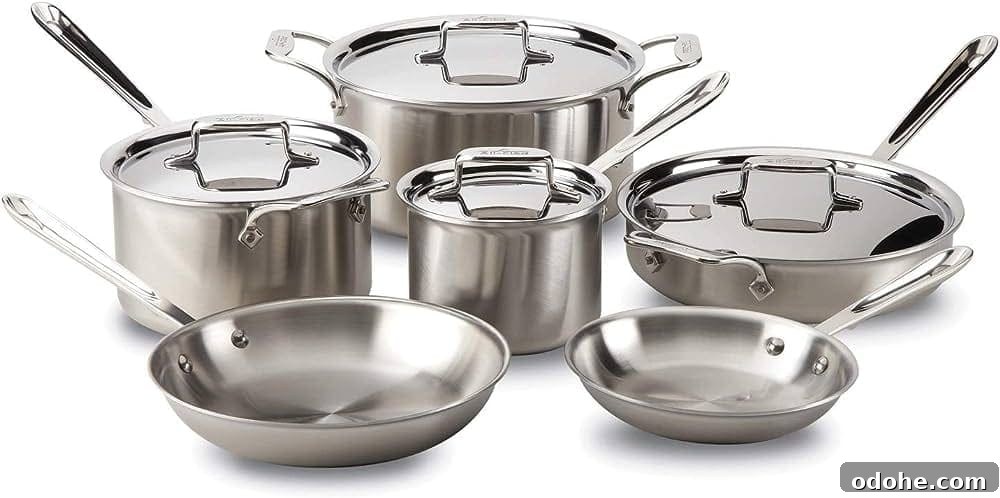
All-Clad is a widely respected brand known for durable, well-constructed multi-ply stainless steel cookware that performs well and holds up over years of use.
Cuisinart Multiclad Pro Cookware
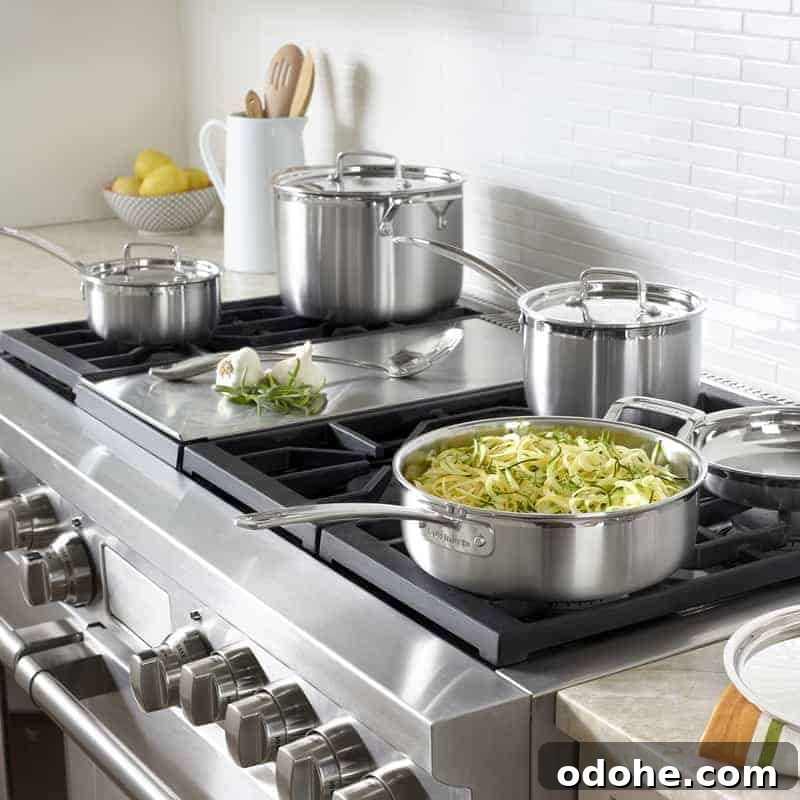
Cuisinart Multiclad Pro offers a more affordable stainless steel option with good performance for home cooks. It has fewer layers than premium lines but remains a solid choice for everyday use.
Heritage Steel Cookware
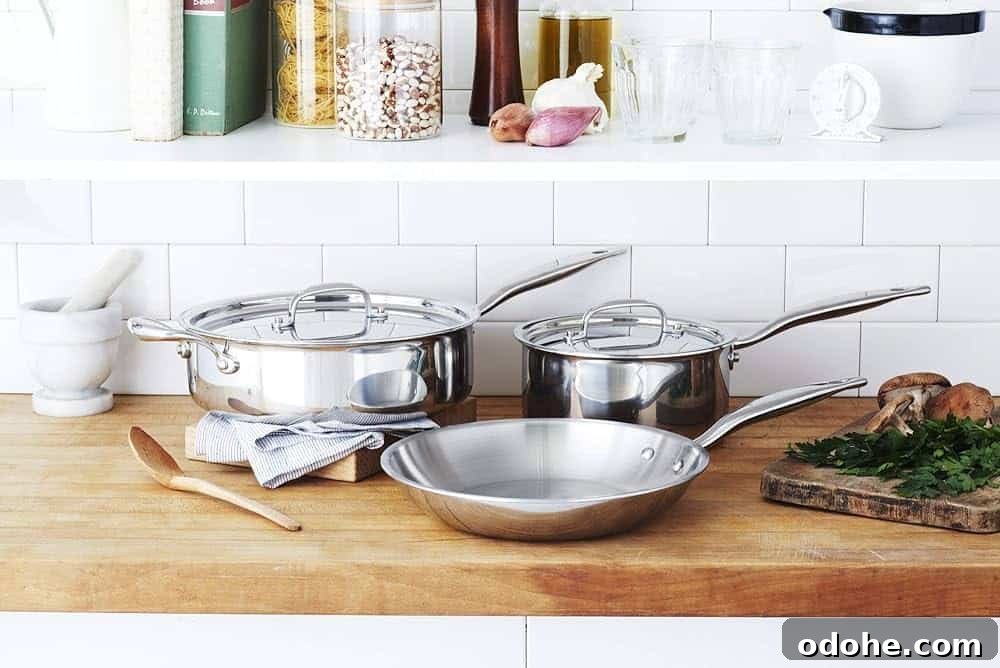
Higher-end stainless steel lines that incorporate titanium or molybdenum can offer improved corrosion resistance and reduced metal leaching. These premium options are often more durable and can be a worthwhile investment for long-term use.
All-Clad Copper Core Cookware
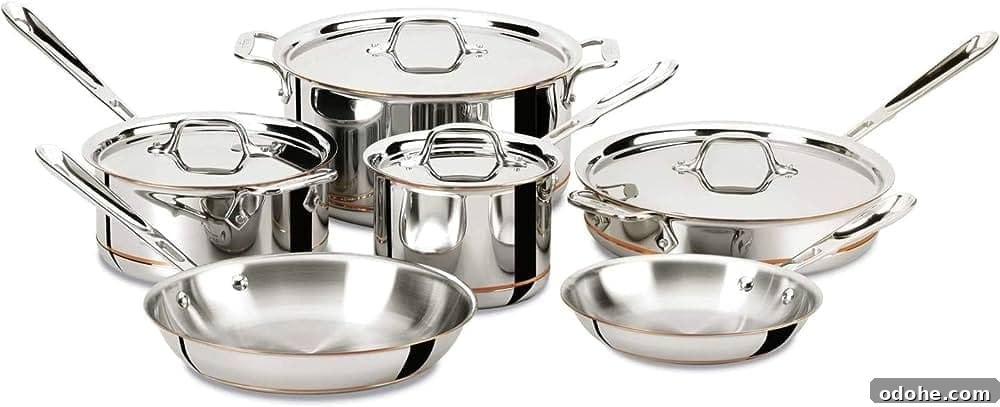
Stainless-steel-lined copper cookware uses copper for fast, even heating while the stainless lining prevents direct contact between copper and food. This combination offers excellent heat control with a safe food-contact surface.
Other safe cookware options:
If stainless steel isn’t your preference, other safe and non-toxic cookware choices include:
Cast iron cookware:
Cast iron is extremely durable, economical, and excellent for searing. With proper seasoning it gains a natural non-stick surface. It can add small amounts of iron to food, which may be beneficial for some people but should be considered for those with iron overload conditions.
Carbon steel cookware:
Carbon steel behaves similarly to cast iron but is lighter and heats faster. It develops a seasoned surface over time and can last a lifetime when cared for properly.
Pure ceramic cookware:
True pure ceramic cookware (not merely a ceramic coating) is inert and non-reactive. Verify that the product is solid ceramic rather than a thin ceramic coating applied over another metal, as many marketed “ceramic” pans are coated and may have unknown additives.
The bottom line:
Stainless steel is a safe, durable, and versatile cookware choice when you select quality products and care for them properly. It avoids the PFAS-based risks associated with many non-stick coatings, although people with nickel or chromium sensitivities should choose nickel-free options. Avoid cookware with nanoparticle claims until more research clarifies long-term safety. With sensible selection and maintenance, stainless steel ranks among the healthiest choices for everyday cooking.
Frequently asked questions:
Safe choices include well-maintained cast iron and carbon steel, true pure ceramic cookware, and high-quality stainless steel. Avoid cookware with PFAS-based non-stick coatings and be cautious with products that advertise nanoparticle treatments.
You can cook all types of food in stainless steel. Acidic foods can increase the release of trace nickel and chromium, so individuals with metal sensitivities may wish to limit prolonged cooking of highly acidic dishes in stainless steel.
From a health perspective, stainless steel is generally safer than PFAS-based non-stick cookware. Stainless steel is durable, non-reactive for most users, and avoids exposure to persistent chemicals linked to health concerns.
Other health information you will want to read:
-
Non-Toxic Bakeware Guide
-
Are Candles Toxic? Spoiler – Most Are!
-
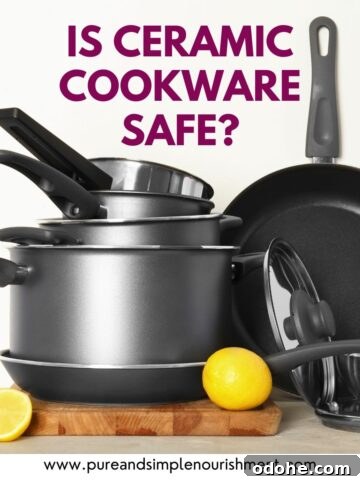
Is Ceramic Cookware Safe? Spoiler – most brands aren’t!
-
Non-Toxic Cookware Guide
Our expertise:
Dr. Erin Carter, MD, FRCPC, is a physician board-certified in internal medicine and rheumatology. She focuses on nutrition, environmental health, and low-toxicity living, and has researched and shared guidance in these areas for years.