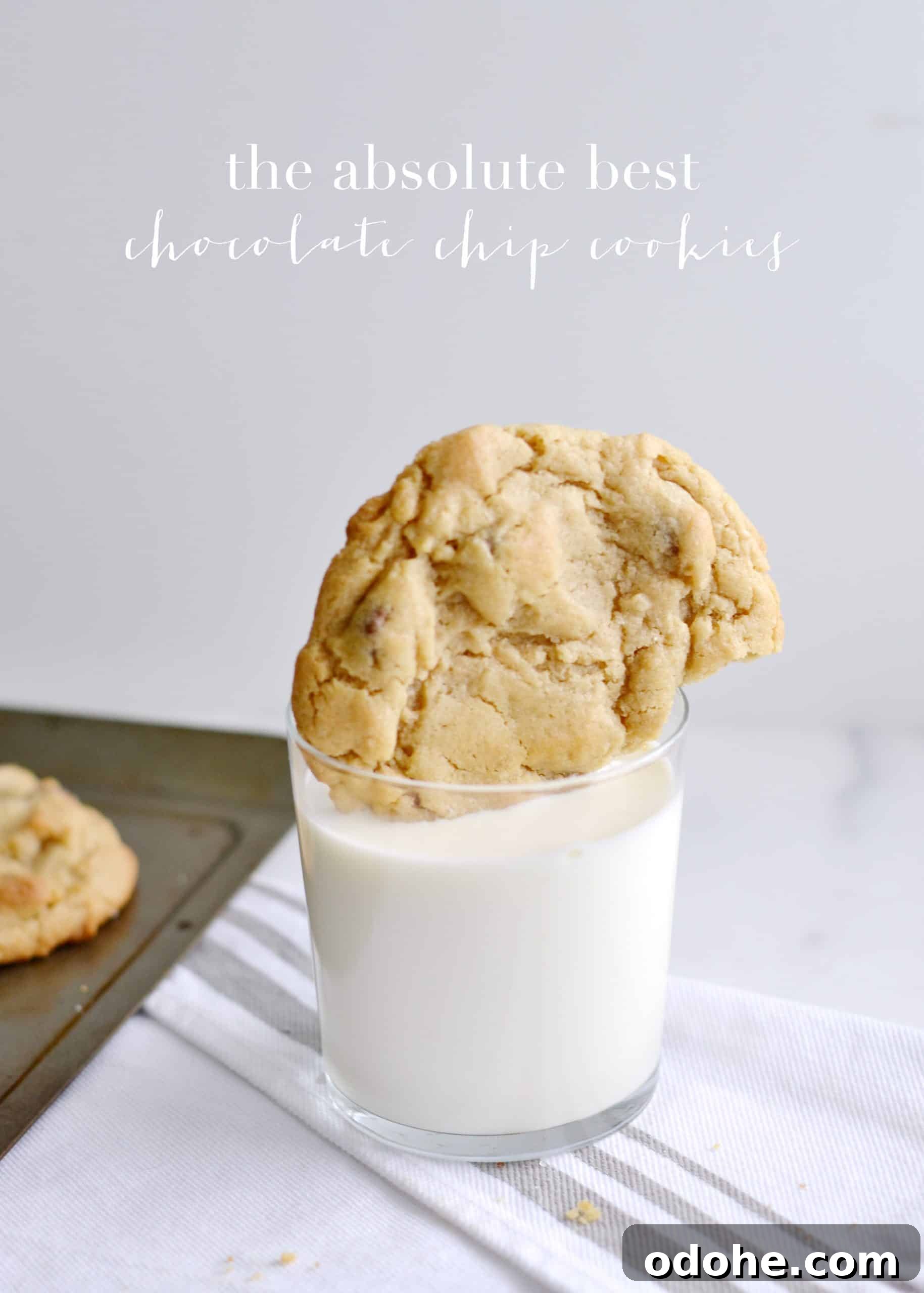
There’s nothing better than a warm, gooey chocolate chip cookie straight from the oven. While basic recipes can seem simple, a few thoughtful techniques make the difference between an ordinary cookie and an exceptional one. Below I share practical tips that consistently deliver cookies that are crisp at the edges, tender inside, and full of rich chocolate flavor.
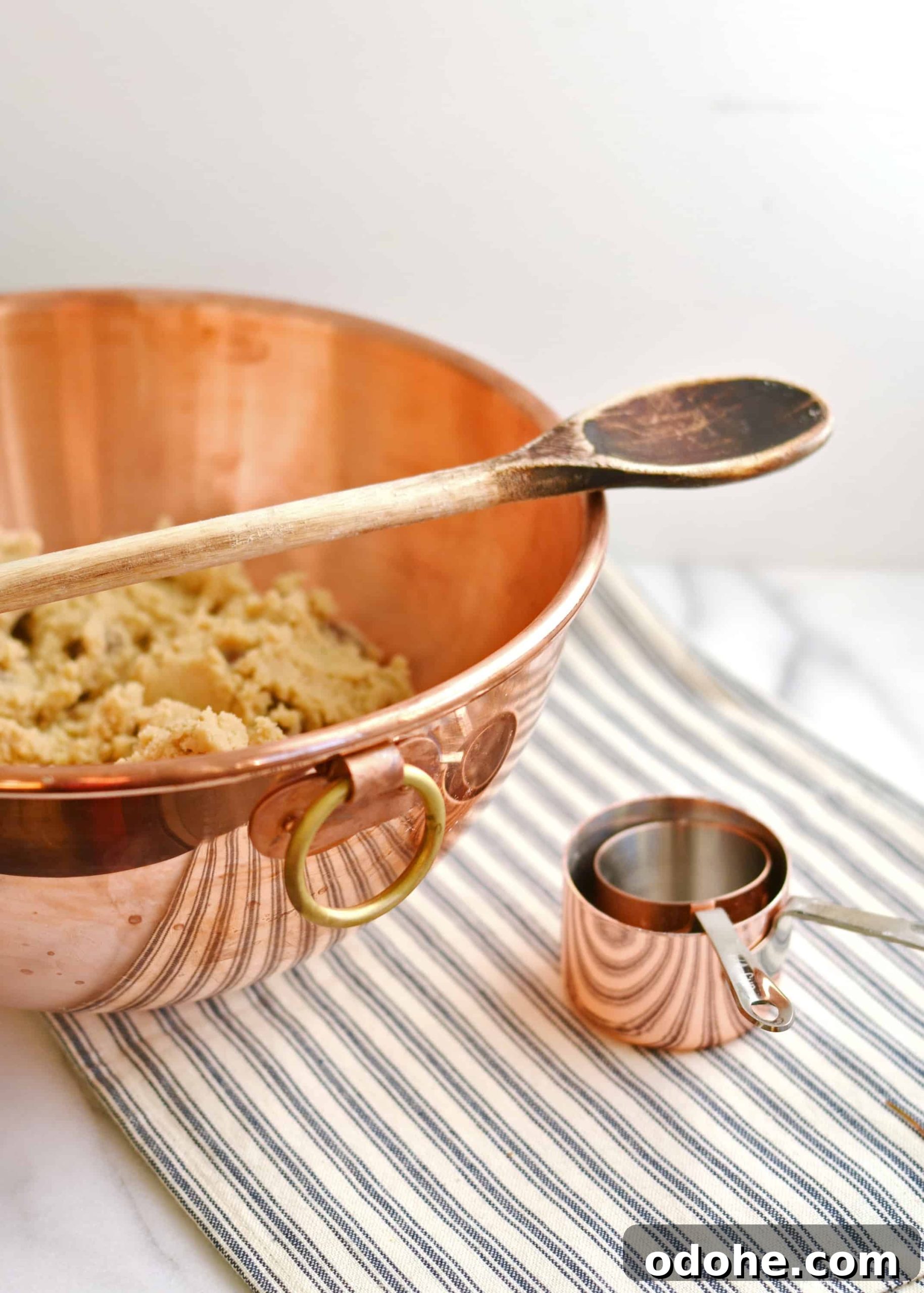
Chocolate chip cookies are a flexible project: they can be a quick 15-minute bake or a more deliberate process stretched over days. You can buy ready-made dough or gather ingredients and make everything from scratch. If you prefer homemade, you’ve probably read countless recipes claiming to be the best. These tips are aimed at helping you refine your technique so your batches turn out reliably delicious, whether you make them for everyday treats or special occasions.
During college I often baked cookies for professors during finals week. Over time I learned which small adjustments made the cookies more appealing and kept the dough manageable under time constraints. The techniques below focus on texture, flavor balance, and timing — all the things that transform a good cookie into one people request again and again.
Table of Contents
- FAQs for The Best Chocolate Chip Cookies
- Recipe and Source Notes
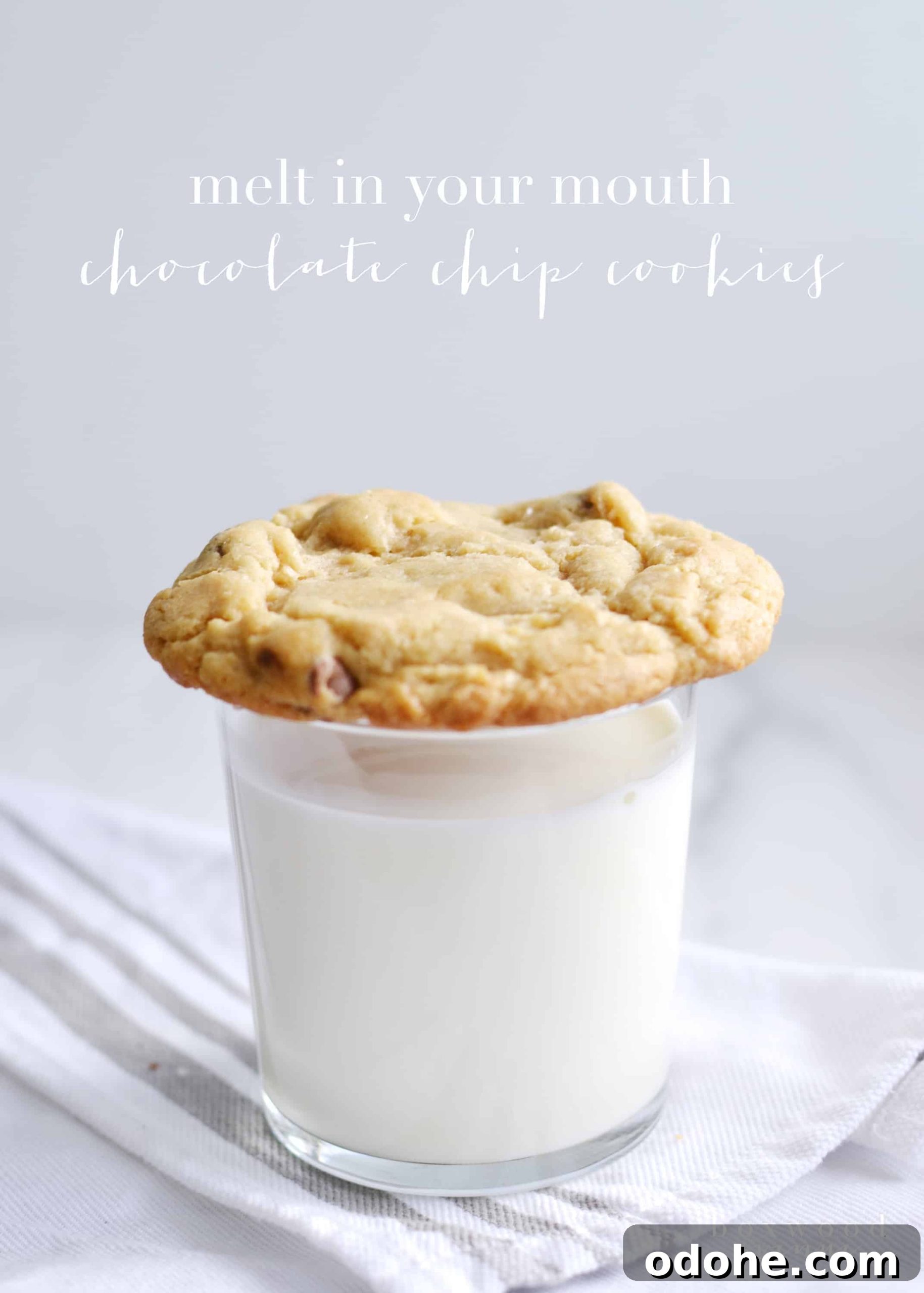
The methods I follow yield cookies that stay chewy for days, develop a pleasant crispness at the edges, and melt in your mouth just enough without becoming greasy. One small trick — sprinkling a touch of salt on top right before or immediately after baking — brightens the chocolate and adds a delightful contrast that many people love. Read on for detailed answers to common questions and extra tips to improve your results.
FAQs for The Best Chocolate Chip Cookies
Chilling the dough is recommended when you have the time. A shorter chill of a few hours will still produce great cookies, but dough rested 24 hours or longer often yields slightly better flavor development and a more attractive spread. If you’re short on time, even a brief chill helps the dough hold shape and build depth.
Both salted and unsalted butter work. If you use salted butter, reduce any added salt slightly to avoid over-salting. Many bakers prefer unsalted butter for control, but a small variance in butter type won’t ruin the dough. Taste and adjust minor ingredients when needed.
Sifting flour helps ensure even incorporation and can prevent lumps in the dough. It also lightens the texture slightly, which some bakers prefer. If you don’t have a sifter, whisking the flour in a bowl works as a practical alternative.
Add eggs after creaming the butter and sugar until the mixture is noticeably lighter and fluffy. This usually takes a couple of minutes with an electric mixer. Add eggs one at a time, allowing each to incorporate fully, then proceed to the dry ingredients. Properly aerated butter and sugar create better texture and lift.
Other Tips for the Best Chocolate Chip Cookies
- Use parchment paper to prevent sticking and simplify cleanup. It also helps cookies bake more evenly.
- Lightly sprinkle flaky salt on the tops of the cookies before or right after baking to enhance the chocolate flavor.
- Form uniformly sized portions with a large ice cream scoop for consistent baking times. A scoop about the size of an apricot creates a generous cookie without flattening too much.
- Remove cookies from the oven when the edges are golden but the centers still look slightly soft. They continue to firm up as they cool on the baking sheet.
Ready to bake? I adapted my favorite version of this classic cookie from a well-known recipe tested by many bakers. If you want a tried-and-true formula, look for reputable chocolate chip cookie recipes that emphasize chilling the dough, using quality chocolate, and timing the bake by visual cues rather than strict minutes alone. With those principles and the tips above, you’ll consistently pull great cookies from the oven.