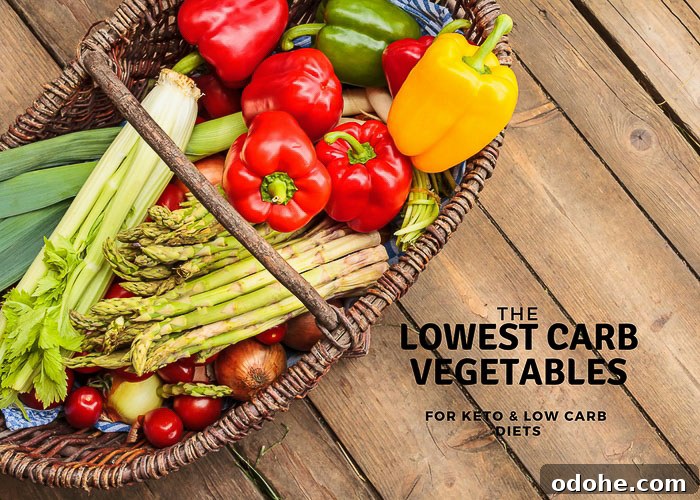
Best Lowest Carb Vegetables List
A practical list of the lowest‑carb vegetables ideal for ketogenic and low‑carb diets. Use this guide to choose vegetables that support ketosis and weight management and to recognize higher‑carb options to limit or avoid.
Carbs in Vegetables:
If you follow a ketogenic or low‑carb eating plan, the vegetables you choose matter. Non‑starchy, low‑carb vegetables provide fiber, vitamins, and minerals while keeping net carbohydrate intake low. In contrast, starchy or higher‑sugar vegetables can quickly raise carb totals and may make it harder to stay in ketosis.
Below is a concise low‑carb vegetable list followed by a short list of higher‑carb vegetables to avoid or limit. Serving sizes are included to help you estimate net carbs per typical portions.
How to Use This List
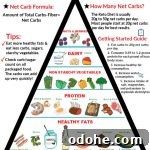
Prioritize leafy greens and other non‑starchy vegetables as the foundation of meals. Pay attention to serving sizes and total daily carb targets. Combine vegetables with moderate protein and healthy fats to maintain satiety and support ketosis. Remember that net carbs are commonly calculated as total carbs minus fiber; check nutrition labels or a trusted database for precise values if needed.
Watch Video Or Scroll to The List:
(Video removed for cleaner, faster loading. Scroll down for the full list.)
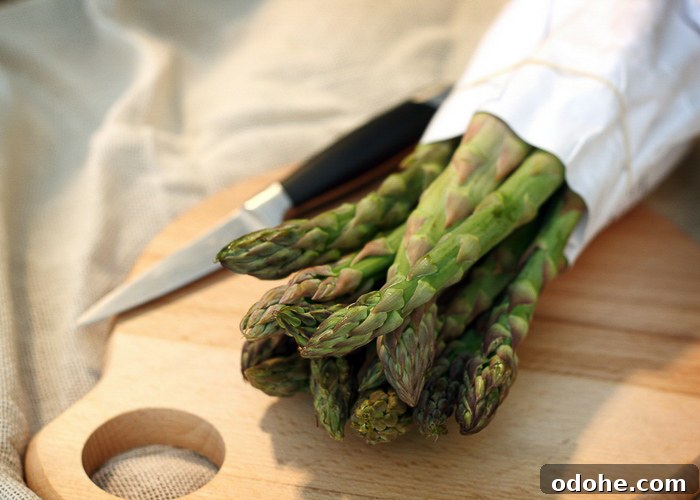
The Lowest Carb Vegetable List:
The Low Carb List of Vegetables
- Alfalfa sprouts — 0 g net carbs per 100 g
- Endive — ~0.2 g net carbs per 100 g (one whole head ≈ 2 g net carbs)
- Bok choy — ~0.8 g net carbs per 100 g (1 cup shredded ≈ 1.3 g)
- Romaine lettuce — ~1.2 g net carbs per 100 g (3.5 oz ≈ 1.3 g)
- Spinach — ~1 g net carbs per 100 g (1 cup chopped ≈ 0.6 g)
- Celery — ~1.4 g net carbs per 100 g (1 cup chopped ≈ 1.4 g)
- Iceberg lettuce — ~2.3 g net carbs per 100 g (1 cup shredded ≈ 1.2 g)
- Asparagus — ~1.8 g net carbs per 100 g (1 cup ≈ 2.4 g)
- Radishes — ~1.8 g net carbs per 100 g (1 cup sliced ≈ 2 g)
- Avocado — ~2 g net carbs per 100 g (1 medium ≈ 2.8 g)
- Zucchini — ~2.1 g net carbs per 100 g (1 cup chopped ≈ 2.7 g)
- Arugula — ~2.3 g net carbs per 100 g (1 cup ≈ 1 g)
- Eggplant — ~2.3 g net carbs per 100 g (1 cup chopped ≈ 2 g)
- Bell peppers — ~2.7 g net carbs per 100 g (one medium ≈ 3.9 g)
- Tomatoes — ~2.7 g net carbs per 100 g (1 cup chopped ≈ 4.8 g)
- Cauliflower — ~3 g net carbs per 100 g (1 cup chopped ≈ 3.2 g)
- Cucumbers — ~3.1 g net carbs per 100 g (1 cup sliced ≈ 3.1 g)
- Cabbage — ~3.3 g net carbs per 100 g (1 cup shredded ≈ 2.3 g)
- Okra — ~3.5 g net carbs per 100 g (1 cup slices ≈ 3.2 g)
- Broccoli — ~4 g net carbs per 100 g (1 cup chopped ≈ 3.6 g)
- Kale — ~4 g net carbs per 100 g (1 cup loosely packed ≈ 0.8 g)
- Green beans — ~4.6 g net carbs per 100 g (1 cup ≈ 5.9 g)
- Green onion — ~4 g net carbs per 100 g (one stalk ≈ 0.4 g)
- Jicama — ~4.5 g net carbs per 100 g (4 oz ≈ 4 g)
- Turnips — ~3.1 g net carbs per 100 g (1 cup cubed ≈ 4.7 g)
- Brussels sprouts — ~4.5 g net carbs per 100 g (½ cup ≈ 3.5 g)
- Artichokes — ~4.7 g net carbs per 100 g (½ cup ≈ 4.9 g)
- Mushrooms (fungus) — ~2.3 g net carbs per 100 g (1 cup sliced ≈ 1.6 g)
In a low‑carb or ketogenic plan, the aim is to keep carbohydrate intake low enough that the body shifts to burning stored fat for fuel. Frequent elevation of insulin from high‑glycemic foods can interfere with that metabolic shift, so minimizing insulin‑triggering foods, including many starchy vegetables, is important.
Tips for including low‑carb vegetables:
- Base meals on leafy greens and non‑starchy vegetables to increase volume without adding many carbs.
- Measure portions until you learn how different vegetables affect your daily carb totals.
- Use low‑carb vegetables in salads, sautés, roasted vegetable sides, and low‑carb substitutes (for example, cauliflower rice).
- Pair vegetables with healthy fats (olive oil, avocado, butter) and moderate protein to improve satiety and support ketosis.
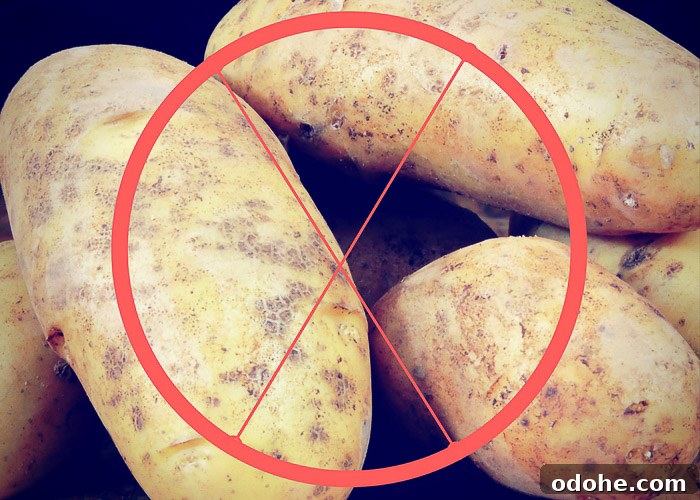
The Following Are High Carb Vegetables :
The High Carb List to Avoid
- Potatoes — ~14.2 g net carbs per 100 g (one medium potato ≈ 33 g net carbs)
- Yams — ~23.5 g net carbs per 100 g (1 cup cubed ≈ 32 g)
- Sweet potato — ~17.7 g net carbs per 100 g (one medium ≈ 19.8 g)
- Corn — ~19 g net carbs per 100 g (1 cup ≈ 25 g)
- Peas — ~9 g net carbs per 100 g (1 cup ≈ 12 g)
- Beets — ~7 g net carbs per 100 g (1 cup sliced ≈ 14 g)
Higher‑carb vegetables can be enjoyed occasionally as part of a flexible eating plan, but if your primary goal is strict carbohydrate restriction or sustained ketosis, it’s best to limit these items or use very small portions.
(Nutritional values shown are estimates and can vary by source, preparation method, and portion size. Use a nutrition database or label for exact values when precise tracking is required.)
Related resources and ideas:


Pin this guide for quick reference
Choosing the right vegetables makes low‑carb and ketogenic eating more sustainable, nutritious, and enjoyable. Focus on variety, preparation methods that enhance flavor, and portion control to meet your personal carb targets while getting the vitamins, minerals, and fiber your body needs.