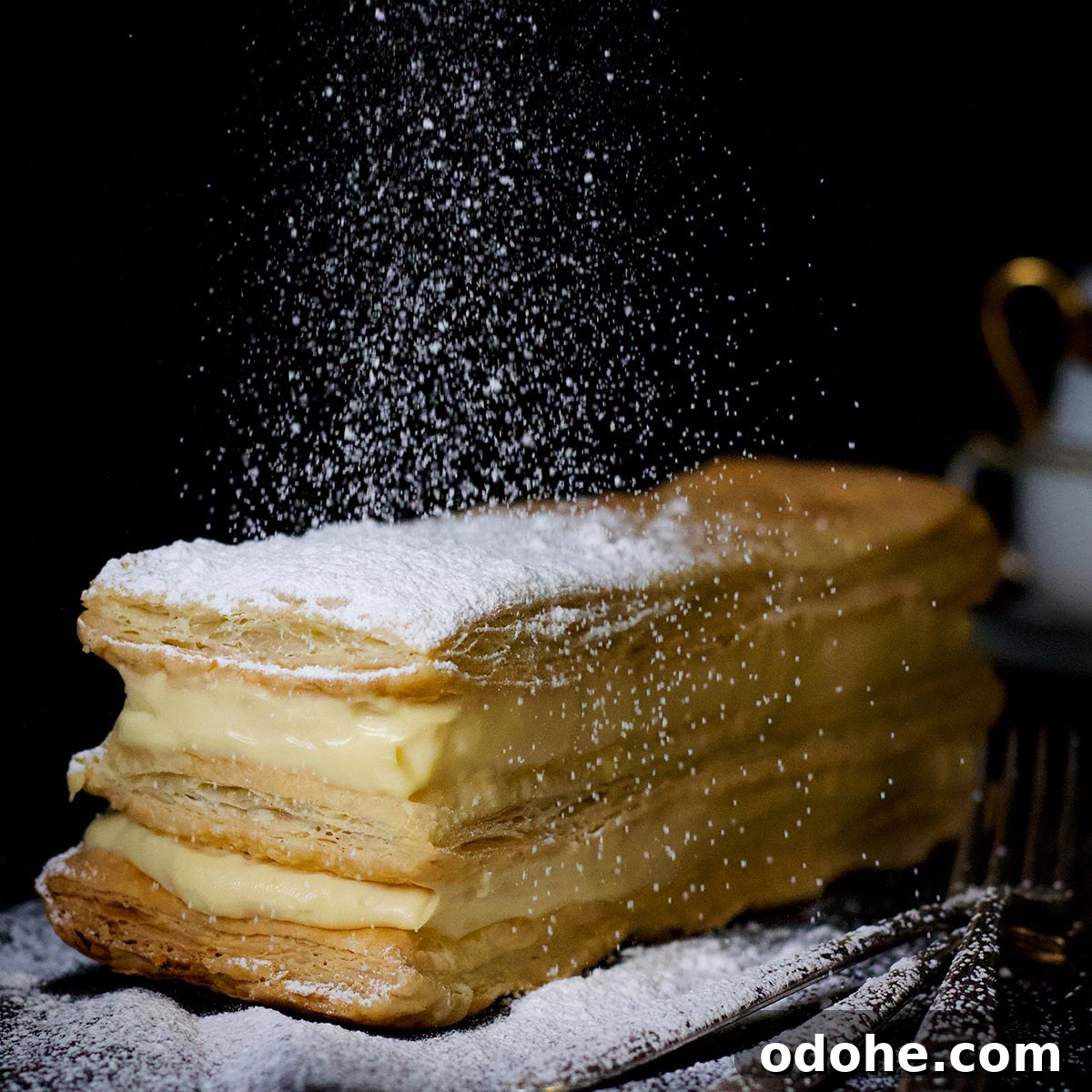
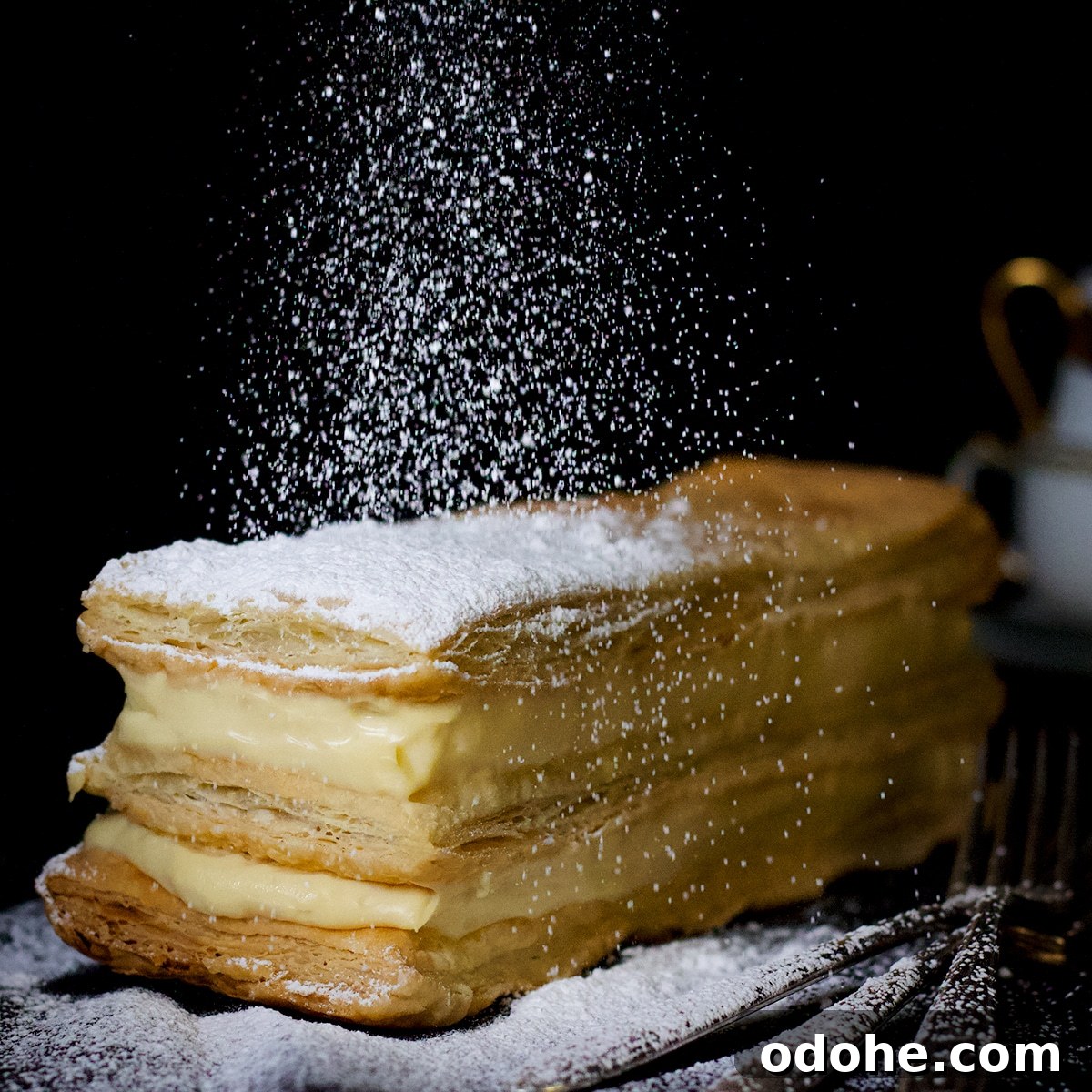
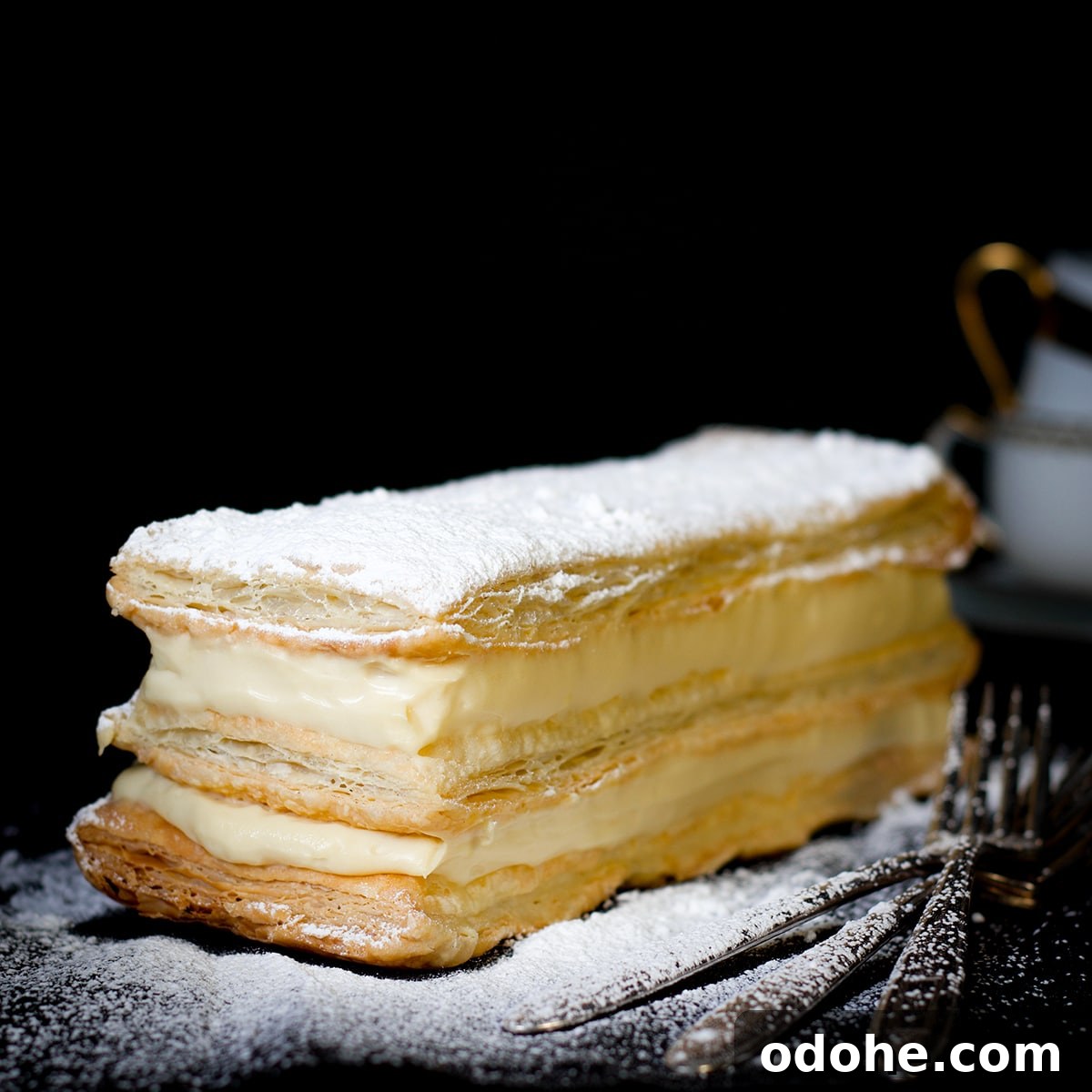
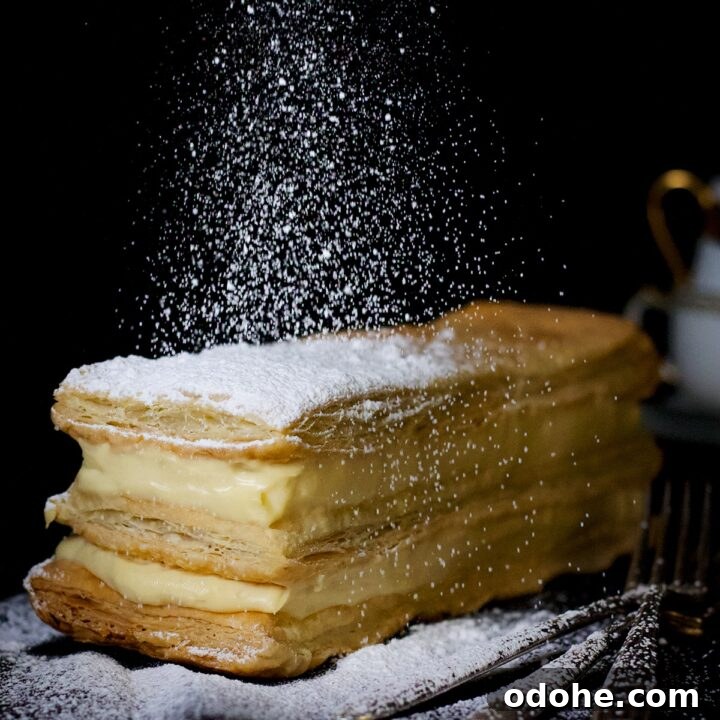
The classic Napoleon Dessert (mille-feuille) features flaky puff pastry layered with smooth vanilla pastry cream.
It’s one of those timeless French pastries that captures everything admirable about French baking — elegant simplicity and indulgent flavor.
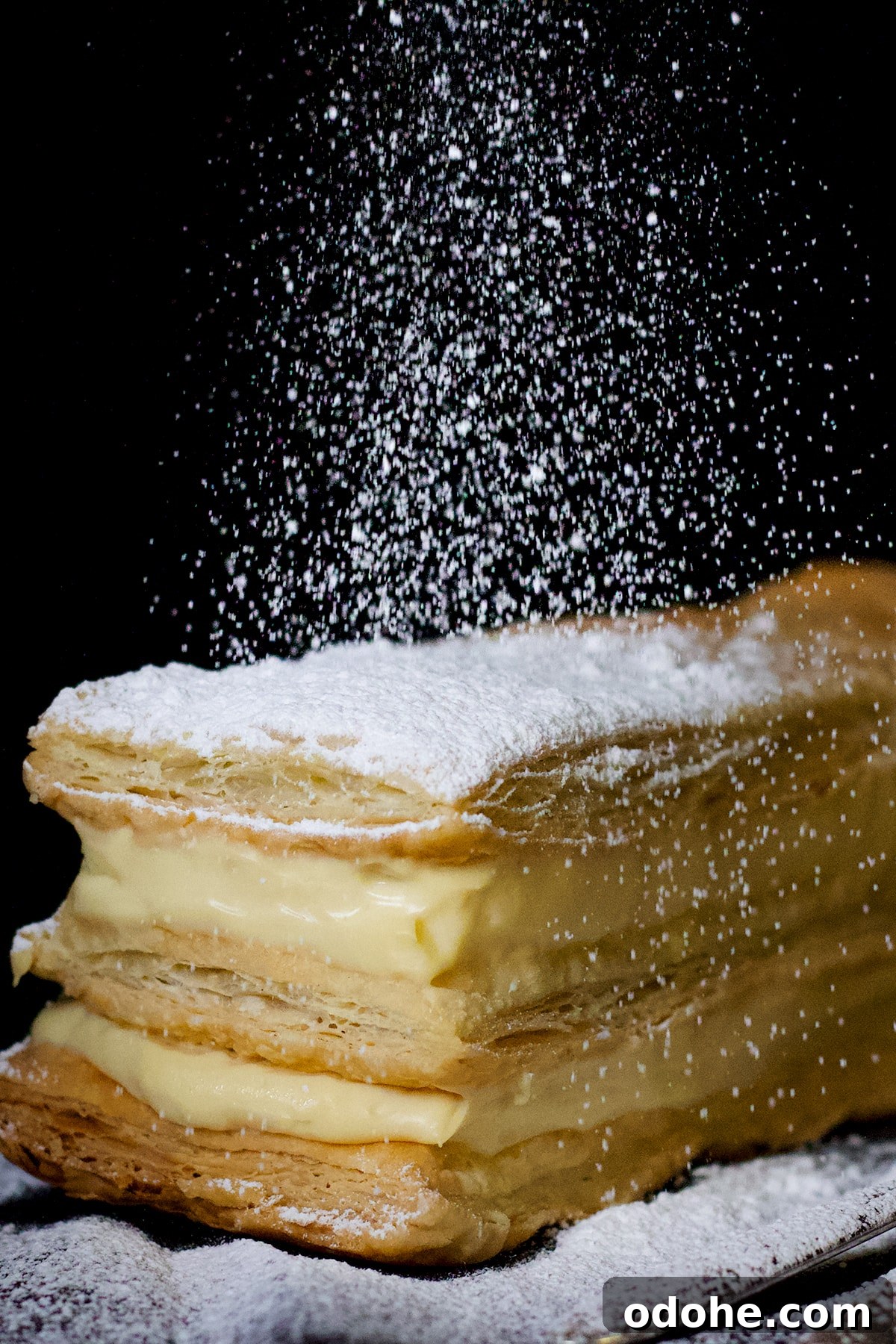
The Napoleon Dessert (Mille Feuille) is beloved worldwide for a simple reason: it tastes wonderful.
If I could, I’d enjoy a slice for breakfast, a mid-afternoon snack, and a dessert after dinner. In truth, I’ve happily managed that on occasion.
The first time I tasted a true European-style Napoleon was on the patio of The Alpenrose in Vail on a crisp autumn afternoon. The pastry case at a good European restaurant is always irresistible, and that day the Napoleon simply called my name.
After that first bite, I set out to recreate the experience at home. This recipe has been a regular in my kitchen ever since.
The Napoleon embodies what I adore about many French pastries — it’s rich yet delicate, not overly sweet, and filled with vanilla pastry cream.
xo
-Rebecca
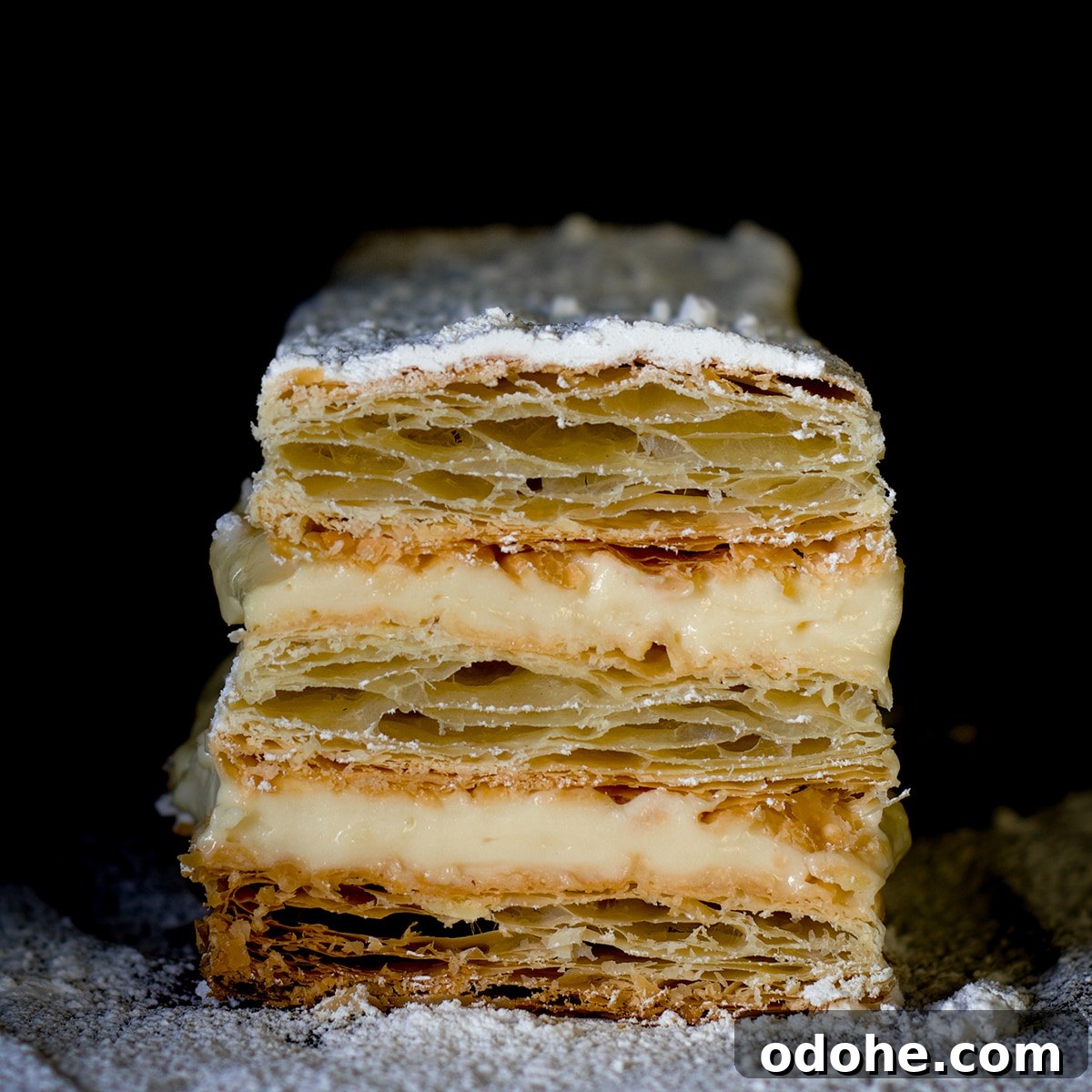
“Mille Feuille” means a thousand leaves
A fitting name for this dessert. It refers to the many layers of puff pastry that give the pastry its signature flakiness.
Making puff pastry from scratch demands repeated rolling, folding, and chilling — a rewarding but time-consuming process. For many home bakers, store-bought frozen puff pastry is a practical and excellent alternative.
Using ready-made puff pastry simplifies the process dramatically and makes this impressive dessert accessible on a weeknight or for an impromptu gathering.
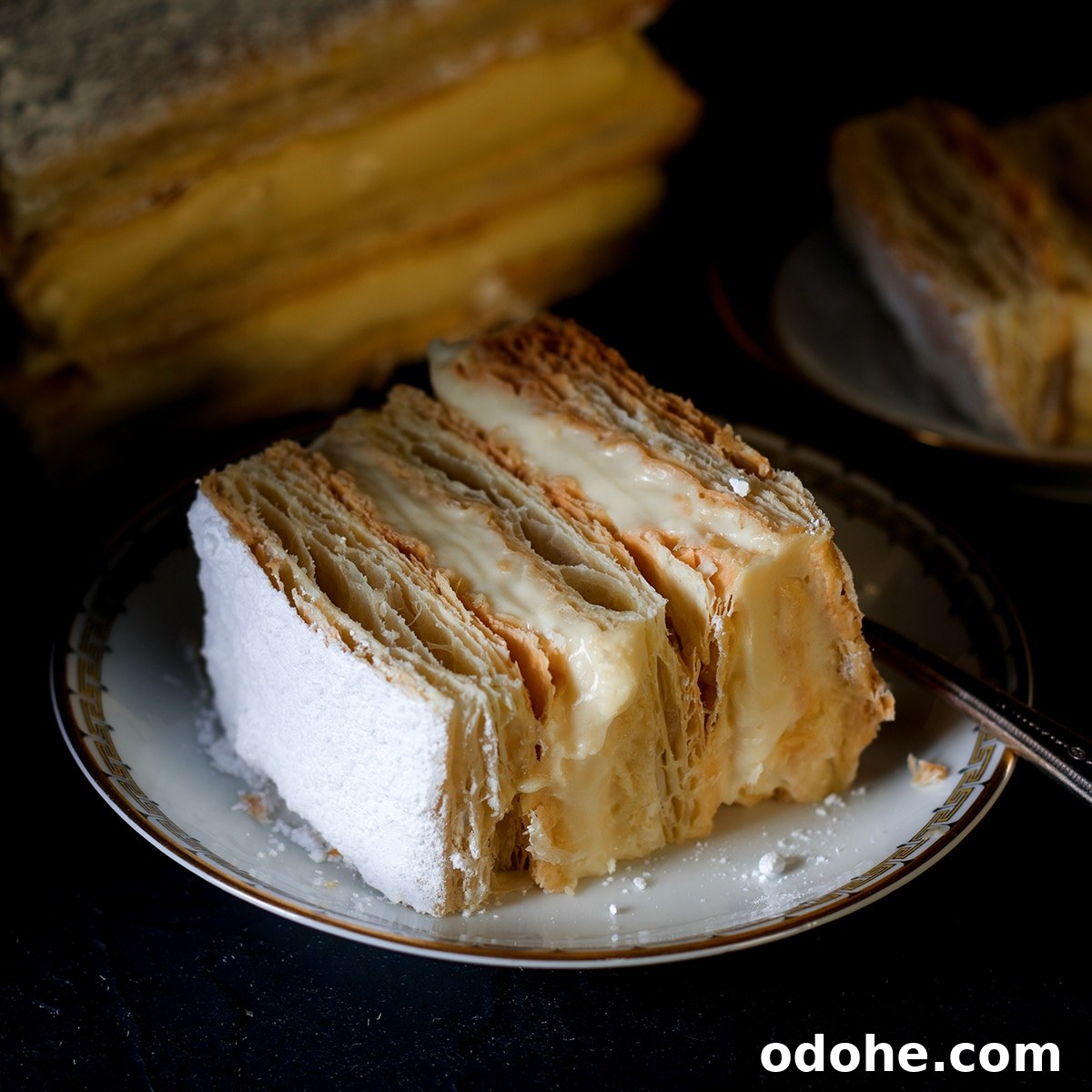
How to make this classic dessert
The Napoleon is surprisingly straightforward to prepare. With a chilled pastry cream and a package of puff pastry, you can assemble a beautiful dessert with minimal fuss.
Pastry cream requires common ingredients — milk, sugar, and eggs — and can be made ahead. Allowing the pastry cream to chill for a few hours ensures the right texture and makes assembly easier.
You can prepare the pastry cream days in advance. It stores well in the refrigerator for several days or can be frozen for longer storage. Plan ahead and the final assembly becomes quick and simple.
How to make pastry cream:
To fondant or not to fondant? That is the question.
Traditionally, a Mille Feuille is assembled with three layers of puff pastry and two layers of pastry cream. Some versions are finished with a fondant glaze and chocolate pattern, which is attractive but optional.
Alternatively, a dusting of confectioners’ sugar or a light sprinkling of cocoa provides a simple, elegant finish. That’s how my Napoleon at The Alpenrose was served, and it’s how I present it here.
More decadent recipes that use pastry cream
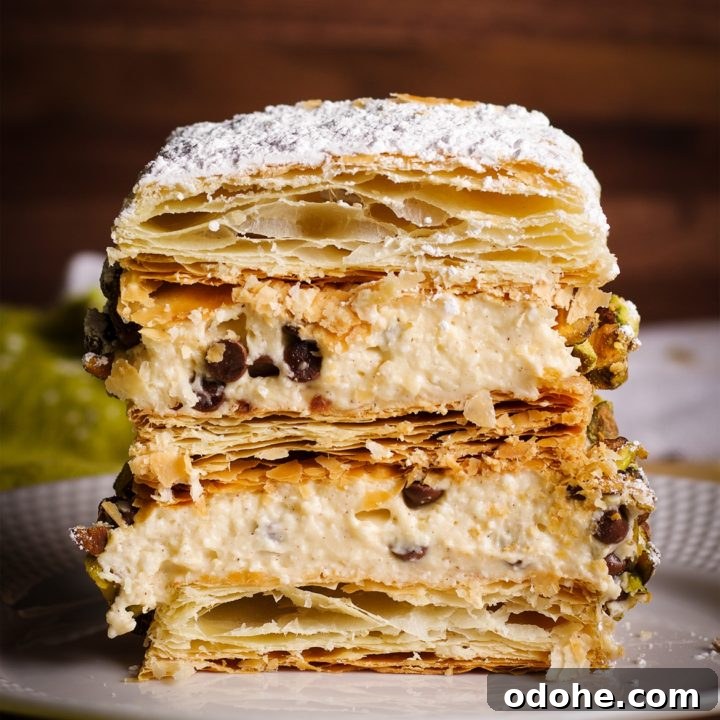
 Cannoli Napoleon
-
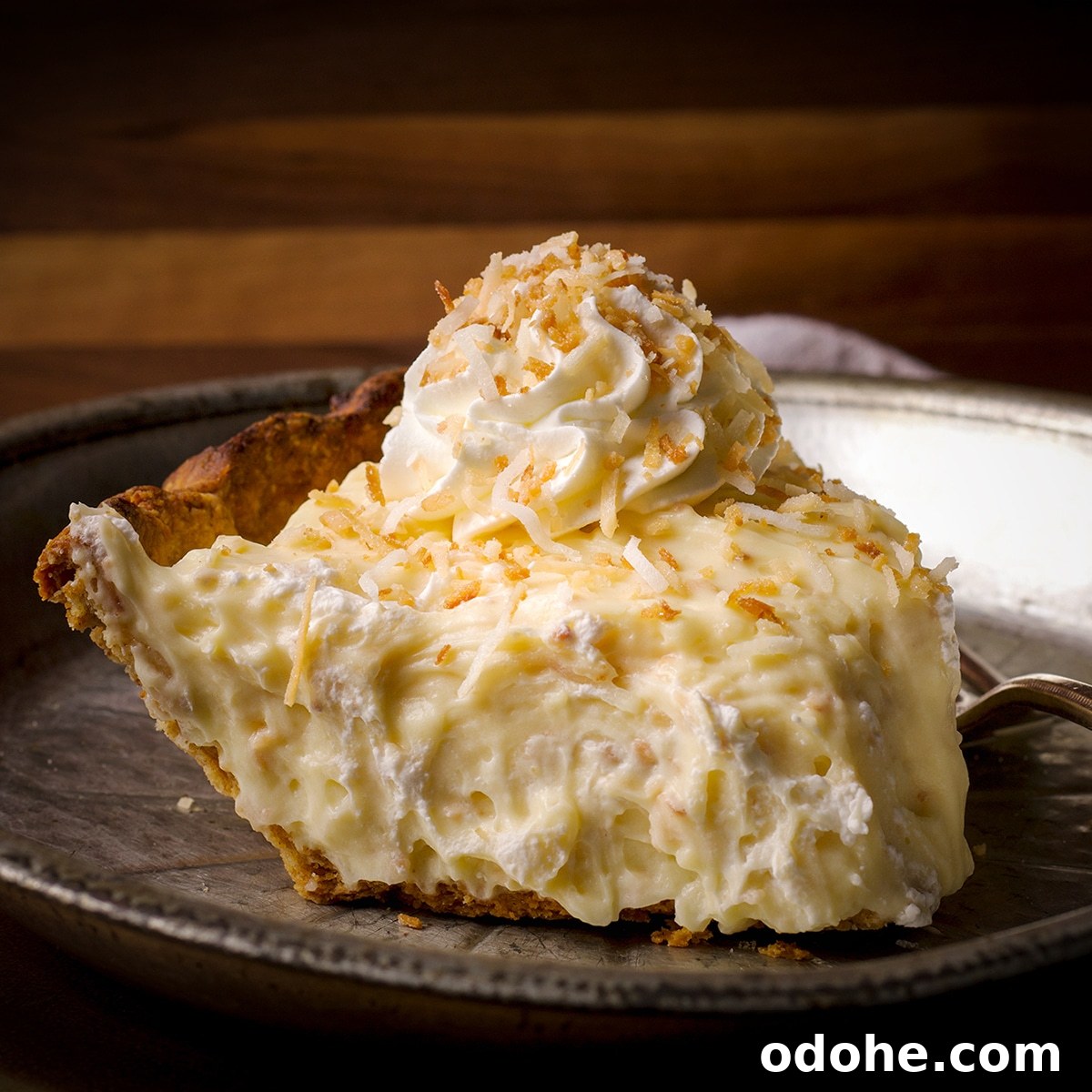
Coconut Cream Pie with Toasted Almond Crust
-
Coconut Cream Cake with Coconut Pastry Cream
-
Chocolate Cream Pie
-
Olive Oil Cake with Lemon Mascarpone Pastry Cream
-
Banana Cream Cake
-
Black Bottom Banana Cream Pie with Vanilla Wafer Crust
-
Amaretto Custard Blackberry Tarts
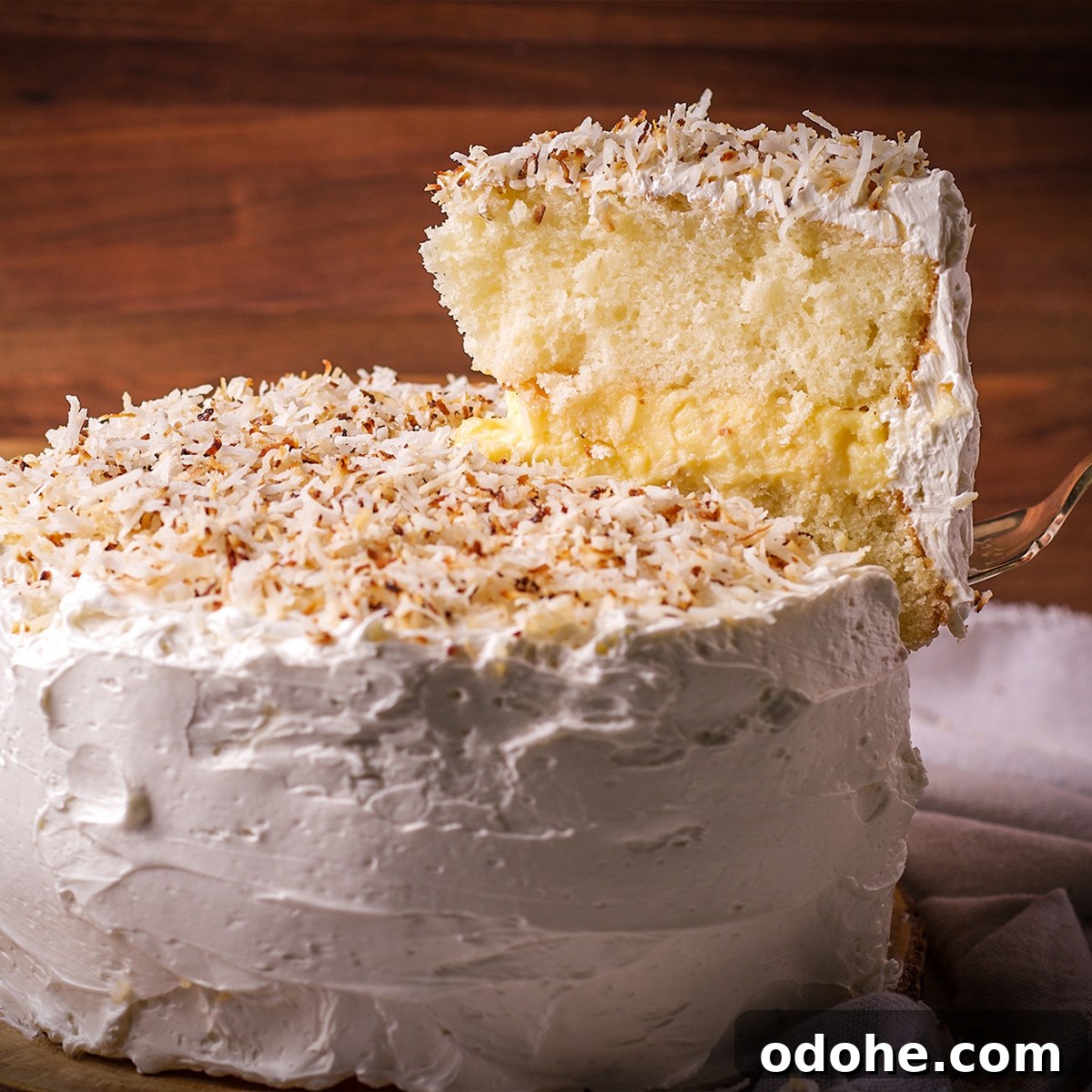
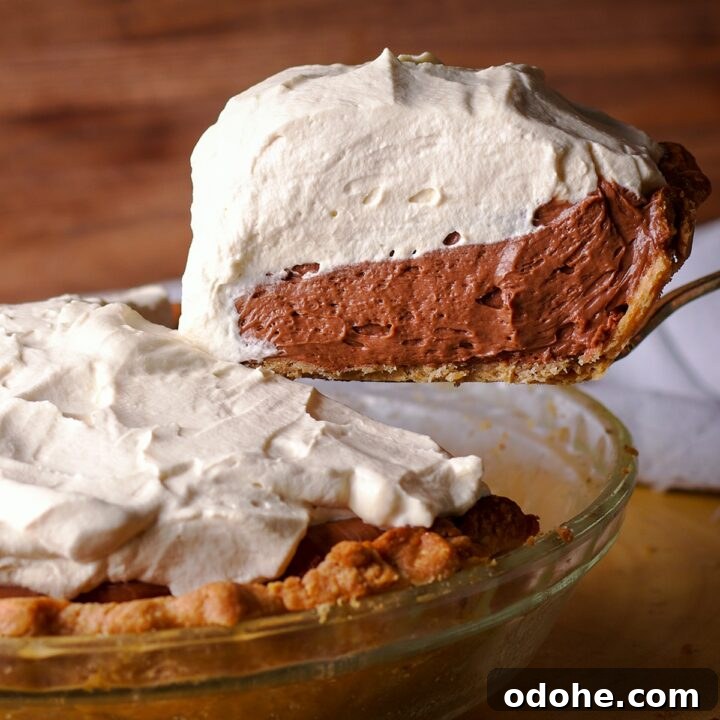
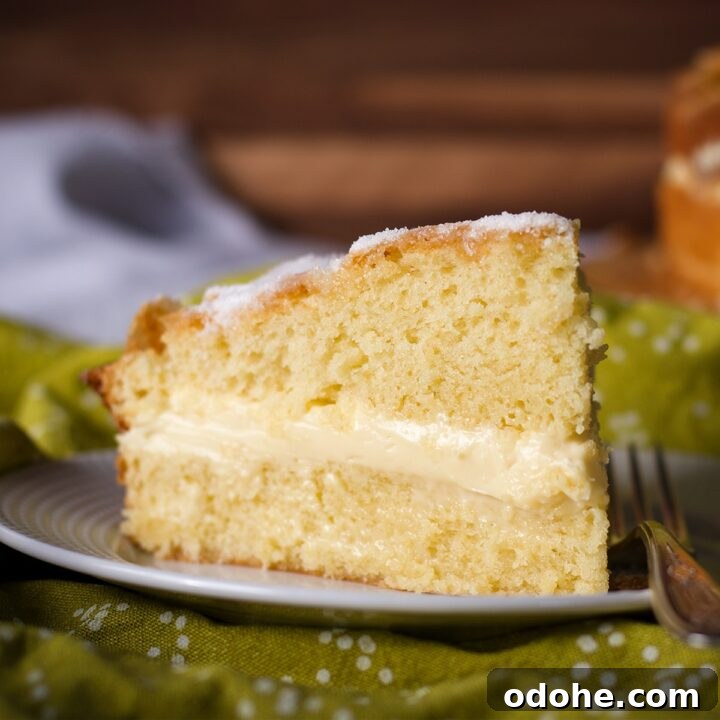
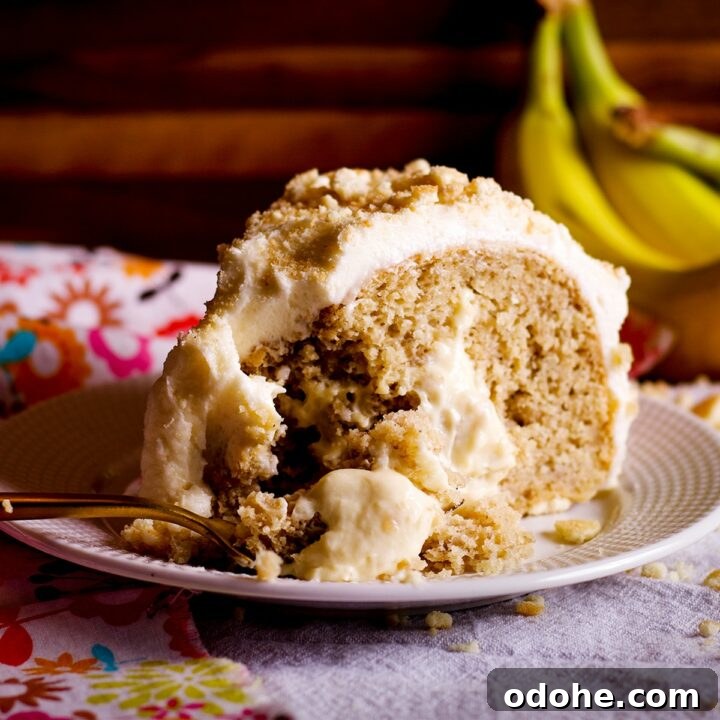
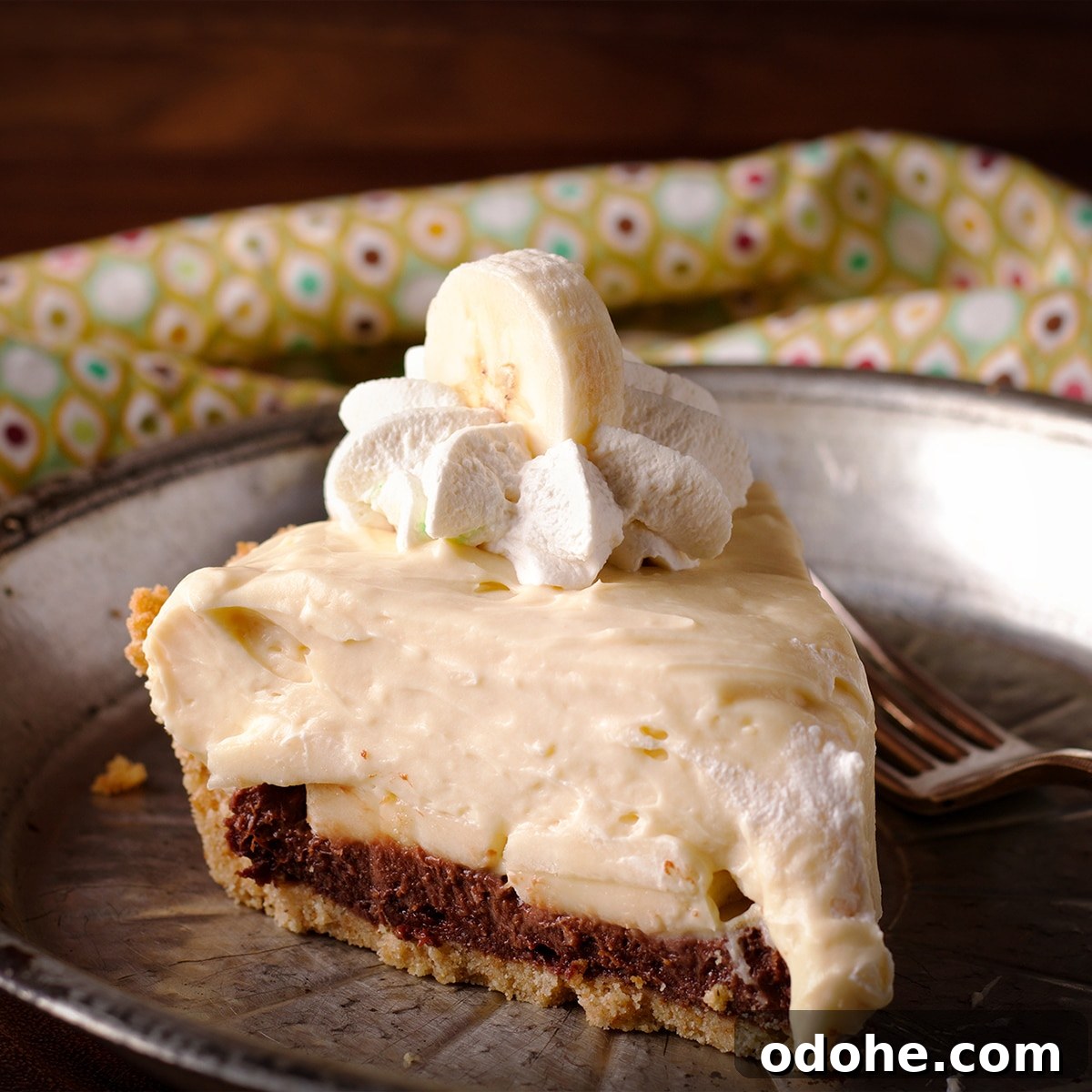
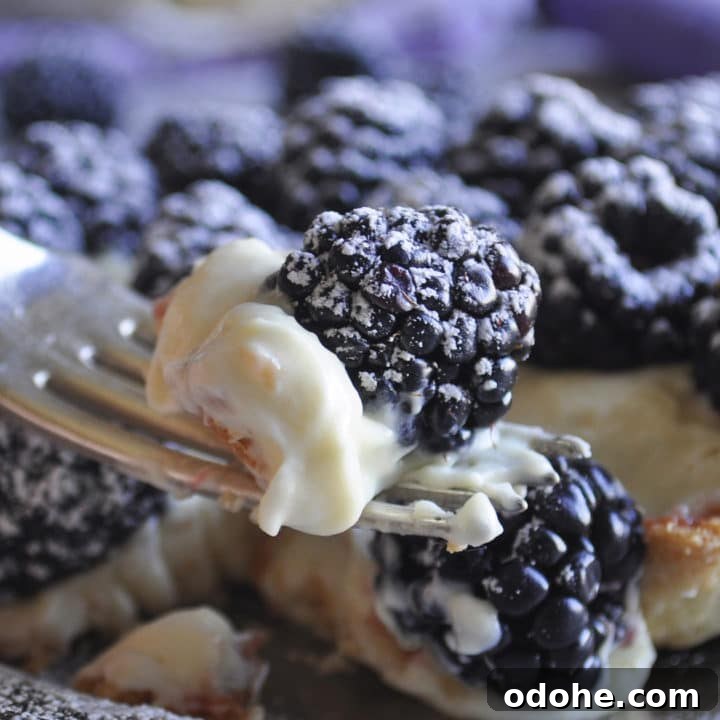
If you try this recipe, let me know! Scroll down to rate and leave a comment.
Happy baking!
📖 Recipe
Napoleon Dessert | Mille Feuille Cream Pastry
Two Napoleons: 6 slices each, 12 slices total
40 minutes
45 minutes
1 hour 25 minutes
Flaky pastry sheets layered with the best vanilla pastry cream make this classic Mille Feuille a show-stopping dessert.
If you enjoy this recipe, you may also like the Cannoli Filled Napoleon.
Ingredients
- 1 recipe Perfect Vanilla Pastry Cream, chilled at least 3 hours and up to 24 hours.
- One 17.3 oz (490 g) package puff pastry sheets
- About 1/4 cup (29 g) powdered sugar, for sprinkling
Instructions
Prepare the puff pastry:
- Thaw the puff pastry according to package directions.
- Preheat the oven to 400°F (204°C) and line a baking sheet with parchment paper.
- Unfold both sheets and divide each into thirds along the fold lines to yield six rectangles. Arrange them on the prepared sheet about 1/4 inch apart.
- Cover the pastry with another sheet of parchment and place a second baking sheet on top to keep the pastry from puffing excessively, helping achieve thin, flaky layers.
- Bake for 35–40 minutes. Remove the top baking sheet and parchment, then bake another 5–10 minutes until golden brown. (See notes on preventing overbrowning.)
- Remove from the oven and cool completely before assembling.
To assemble the Napoleons:
- Place one baked pastry rectangle on a serving platter and spread a 1/2-inch layer of pastry cream evenly on top. Add a second pastry layer, another 1/2-inch of cream, and top with the final pastry rectangle. Gently press to even the layers.
- Repeat with the remaining pastry and cream. Cover with plastic wrap and refrigerate at least 2 hours.
- Dust tops generously with powdered sugar just before serving.
- Slice each Napoleon into 6 portions using a serrated knife for best results.
Notes
How to prevent burnt puff pastry:
Bake times can vary depending on how thawed the pastry is. If pastry was left at room temperature for a while before baking it may take longer to brown than pastry taken directly from the refrigerator. To avoid overbrowning, peek under the top baking sheet after 15 minutes and remove the top sheet once the pastry begins to color, then finish baking until golden.
Make slicing easier:
If you plan to serve the Napoleons soon after assembling, chill them in the freezer 30–60 minutes to firm the layers for cleaner slices. If they’ve been refrigerated for several hours, this step isn’t necessary. Use a serrated knife and a gentle sawing motion, supporting the sides of the pastry with your free hand to preserve the layers.
Nutrition Information:
Yield: 12
Serving Size: 1
Amount Per Serving:
Calories: 385Total Fat: 25gSaturated Fat: 7gTrans Fat: 0gUnsaturated Fat: 16gCholesterol: 129mgSodium: 209mgCarbohydrates: 32gFiber: 1gSugar: 11gProtein: 8g